
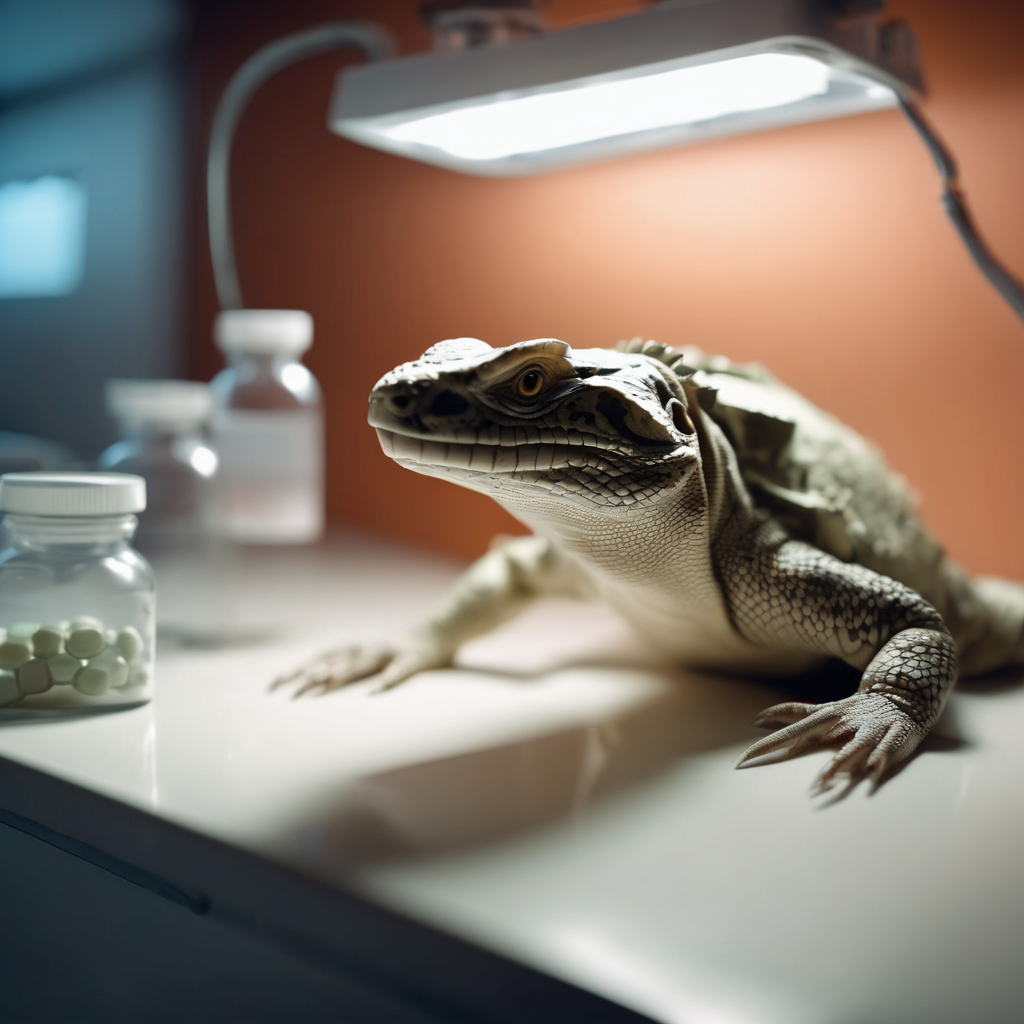
Every experienced reptile keeper keeps a hospital tank ready before they need it. Not because they expect illness, but because the day a lizard stops eating or a snake develops a respiratory infection, the last thing you want to be doing is driving to a pet store for a plastic box and a heat mat.
A hospital tank is deliberately boring. It strips the enclosure back to the three things that matter when an animal is sick — stable heat, appropriate humidity, and a surface you can clean and inspect daily. This guide explains exactly how to build one, what to leave out, and the mistakes that turn a recovery space into a second problem.
What a hospital tank is for
Two distinct uses, and they need slightly different setups:
- Recovery. An animal already sick, injured, or on medication. The goal is easy monitoring, easy medicating, and zero hiding places where symptoms go unseen.
- Quarantine. A new arrival held separately to avoid spreading parasites or disease to your collection. The goal is biosecurity.
If you are setting up for quarantine, read how long and where to quarantine first. A quarantine tank can be a normal furnished enclosure; a hospital tank should be bare. For the full picture on choosing species and sizing enclosures, see our terrarium equipment guide.
Choosing the tank
Bigger is not better here. A hospital tank should be just large enough for the animal to thermoregulate and turn around comfortably, and no larger. Small volume means fast, even heating, fast cleaning, and a stressed animal that can find the warm spot without climbing.
| Animal | Suitable hospital container | Notes |
|---|---|---|
| Leopard gecko | 20–30 L (5–8 gal) glass or tub | Ground heat mat is enough; keep it shallow so the animal cannot dig under it |
| Ball python | 40–60 L (10–15 gal) rack tub | Opaque sides reduce stress; solid lid for humidity |
| Bearded dragon | 60–90 L (15–20 gal) low and wide | Needs overhead basking plus UVB — do not hospital one without it |
| Small lizard (anole, skink) | 10–20 L (3–5 gal) | Taller than wide for climbers; add one cork branch |
| Tarantula | Deli cup to small 5 L critter keeper | Damp corner, hide, no deep substrate while dehydrated |
| Aquatic turtle | Docked hospital tank, 75 L+ | Shallow water only, ramp, strong basking; water changed twice daily |
A cheap plastic storage tub with ventilation holes drilled in the lid works perfectly for snakes and terrestrial lizards, and it can be bleached and reset in minutes. Whatever you use, it must hold humidity if your species needs it and never be a tank you would be upset about damaging.
Heat: the non-negotiable
A sick reptile cannot move to warm itself as effectively as a healthy one, so the temperature must be right across the whole floor, not just at one spot. You still need a gradient so the animal can choose, but the cool end should not be cold.
- Use a thermostat. Non-negotiable. An unthermostatted mat is the classic cause of thermal burns on an animal too weak to move away. Read how reptile thermostats work.
- Probe placement matters. The probe goes on the substrate under the heat source, measuring where the animal’s belly touches, not in the air.
- Verify with a thermometer. Two independent readings — air and surface — beat one. Measuring temperature and humidity accurately explains the tools.
| Type of animal | Warm end | Cool end | Night drop |
|---|---|---|---|
| Leopard gecko | 32 °C / 90 °F surface | 24 °C / 75 °F | Down to 21 °C |
| Ball python | 31 °C / 88 °F air | 26 °C / 79 °F | Down to 24 °C |
| Bearded dragon | 35–38 °C / 95–100 °F basking | 26 °C / 79 °F | Down to 21–24 °C |
| Crested gecko | 25 °C / 77 °F | 22 °C / 72 °F | Never above 29 °C |
If a sick animal is being treated for a respiratory infection, your vet may recommend running the whole tank slightly warmer than normal within species tolerance to support immune function — but only on their instruction. See reptile respiratory infections for the clinical background. For diurnal basking species, keep UVB running: UVB for reptiles and metabolic bone disease explain why removing it is never a kindness to a sick animal.
Humidity
Hospital tanks dry out fast because they are small and often warm. Both dehydration and stuck shed are common consequences.
- Cover part of the lid with a damp towel or cling film to trap moisture, leaving a gap for airflow. Never seal it fully.
- Keep a hygrometer at animal level. Aim for the species’ normal range — reptile humidity control has the numbers.
- A damp hide is more useful than misting the whole floor for many species, because a wet floor in a warm tub grows bacteria within a day.
- If the animal is dehydrated, combine humidity with proper soaking: how to soak a reptile safely.
Substrate: keep it simple
This is where most people overthink. In a hospital tank, the substrate must be easy to replace daily and impossible to swallow in quantity.
Best choices:
- Paper towel or unbleached kitchen roll. The default. Cheap, absorbent, replaceable, and you can see faeces, urates, blood or discharge instantly.
- Newspaper. Fine for short stays; ink transfers onto light-coloured animals.
- Reptile carpet. Reusable and grip-friendly for lizards, but it must be washed and disinfected between animals.
- Butcher paper / shelf liner. Non-adhesive, wipeable, good for snakes.
Avoid in a hospital tank: loose particulate like sand, walnut shell, calci-sand or wood chips. A weak or medicated reptile is far more likely to ingest substrate accidentally, and impaction is the last thing you want layered on top of an existing illness. Impaction in reptiles explains how serious that becomes. Bioactive setups and deep substrate belong in the permanent enclosure — cleanup crews and live plants are not hospital equipment.
What to leave out
The instinct is to make a sick animal comfortable. The right instinct is to make it visible.
- Remove most hides. One small, single-entrance hide on the cool side is acceptable for stress reduction. A network of caves means you cannot see whether the animal is moving, eating or passing waste.
- Remove heavy decor. Nothing that can fall onto a weak animal, nothing that traps moisture underneath.
- Remove loose substrate and deep water. Water depth must be no more than the animal’s shoulder height, and it must have an easy way out. Sick reptiles drown in dishes that look harmless.
- Remove other animals entirely. A hospital tank is never a shared space.
- Remove anything you cannot disinfect. Porous wood, cork bark and unsealed decor hold bacteria. Leave them in the main enclosure.
Keep one solid hide, a shallow water dish, a thermometer, a hygrometer, and the heat source. That is the whole list.
Food and water during recovery
Do not assume a sick reptile should be fed normally. Ask your vet, because some treatments require an empty stomach and some animals genuinely should not eat while medicated.
- Offer food every few days rather than leaving it in the tank to rot and breed bacteria.
- Remove uneaten prey within a couple of hours — a live insect can injure a weak lizard overnight.
- Keep a shallow water dish topped up and changed daily.
- If the animal is not eating at all, track the weight. A kitchen scale and a weekly weight log tell your vet more than any guess. See dehydration signs and rehydration for aquatic species guidance.
If you are administering medication, how to give a reptile medication covers oral, topical and injectable technique plus assist-feeding.
Cleaning routine
A hospital tank that is not cleaned daily stops being a hospital.
| Frequency | Task |
|---|---|
| Daily | Remove all faeces and urates; replace paper substrate; replace water; check temperature and humidity; look at the animal properly |
| Every 2–3 days | Wipe walls and floor with a reptile-safe disinfectant, rinse and dry thoroughly |
| Weekly | Full strip-out: disinfect tub and lid, clean hide and water dish, verify thermostat and probe calibration |
| After the animal leaves | Discard all substrate; disinfect everything with dilute bleach (1:10), rinse, and air dry fully before reuse |
Use a reptile-appropriate disinfectant and follow the contact time on the label. Chlorhexidine and dilute bleach both work; F10SC and similar veterinary products are common with breeders. Never use phenol-based cleaners or pine-scented household products — they are toxic to reptiles. Safe disinfectants covers product choices in more detail, and the principles apply to reptiles.
How long to keep an animal in a hospital tank
Shorter than people expect, and that is deliberate.
- While on medication: the full course, plus about a week after symptoms resolve.
- Minor injury or dehydration: usually 1–2 weeks, then back to a normal setup once eating and active.
- Post-quarantine re-entry: never go straight from hospital tub back into a bioactive setup. Rebuild gradually, starting with a simple clean enclosure.
- Permanent: some animals with chronic conditions do best in a simple tank long term. That is a legitimate outcome, not a failure — a stripped enclosure with correct temperatures beats a beautiful one the animal cannot use.
Note that a bare tub provides no enrichment, so an animal kept in one for many weeks needs handling-free stimulation: a paper roll to explore, slightly varied placement of the hide, or supervised time in a safe floor pen. Keep it brief and stress-free.
Warning signs that mean see a vet now
Do not manage these at home — get veterinary help the same day:
- Open-mouth breathing, wheezing, or bubbles from the nostrils
- Neurological signs: head tilting, stargazing, circling, inability to right itself, seizures
- Regurgitation more than once, or refusal to eat for weeks with visible weight loss
- Blood in faeces, in the urine, or from the mouth
- Prolapsed tissue from the vent or hemipene
- A gravid female straining, pacing, or lethargic — possible egg binding
- Swollen limbs, jaw or eyes, or a soft deformed jaw
- Any suspected thermal burn: blisters, discoloured or sloughing belly scales
Baseline reference: how to tell if your reptile is sick and choosing an exotic vet. Transport matters too — taking a reptile to the vet covers how to move a sick animal without making it worse.
Frequently asked questions
Can I use a cardboard box as a hospital tank?
Only for transport, never as a home. It cannot hold humidity, cannot be disinfected, and can be chewed or collapsed on. Use a plastic tub or glass tank.
Do I need UVB in a hospital tank?
Yes, if the species is diurnal and normally receives UVB. Removing it during illness accelerates metabolic bone disease. Use a low-output compact bulb on the same cycle as your main setup. Read how to set up UVB.
Should I keep a hospital tank warm and humid for everything?
No. Match the species. A crested gecko hospitalised at 35 °C will be in serious trouble. Set the hospital tank up for the animal you actually keep.
Can I hospitalise two animals together?
Never. Cross-contamination defeats the purpose, and a sick animal needs its food and medication monitored individually.
My sick snake keeps hiding. Should I remove the hide?
Keep one hide, but choose one that lets you see in — a shallow half-log or an uptended deli cup works. You need daily evidence of activity and faeces.
Is a hospital tank the same as a quarantine tank?
They overlap but are not identical. Quarantine is about keeping a healthy new arrival away from your collection for a set period; a hospital tank is about treating a sick animal. A hospital tank is deliberately minimal. Quarantine duration and placement has the specifics.
Can I reuse the hospital tank substrate?
Discard it. Paper is cheap. Reusing substrate after an illness is how the next animal gets sick.
Build checklist: hospital tank ready in 30 minutes
- ☐ Right-sized tub or tank for the species, with a secure ventilated lid
- ☐ Heat source on a thermostat, probe on the substrate
- ☐ Thermometer at animal level plus a surface temperature reading
- ☐ Hygrometer at animal level
- ☐ UVB if the species needs it, on a timer
- ☐ Paper substrate down, spare rolls stocked
- ☐ One small single-entrance hide
- ☐ Shallow water dish, easy exit, changed daily
- ☐ Damp hide or covered lid section for humidity-dependent species
- ☐ Disinfectant, paper towel, gloves and a bin bag under the tank
- ☐ Kitchen scale and a weight log sheet
- ☐ Exotic vet’s phone number saved before you need it
The bottom line
A hospital tank earns its shelf space by being simple: correct heat on a thermostat, species-appropriate humidity, replaceable substrate, one hide, and nothing you cannot disinfect. Build it before you need it, keep it stocked, and the day something goes wrong you will be treating an animal instead of assembling equipment.
Pair this with the first 30 days with a new reptile and safe terrarium automation so the climate in both your main and hospital setup stays stable automatically.
Leave a Reply