
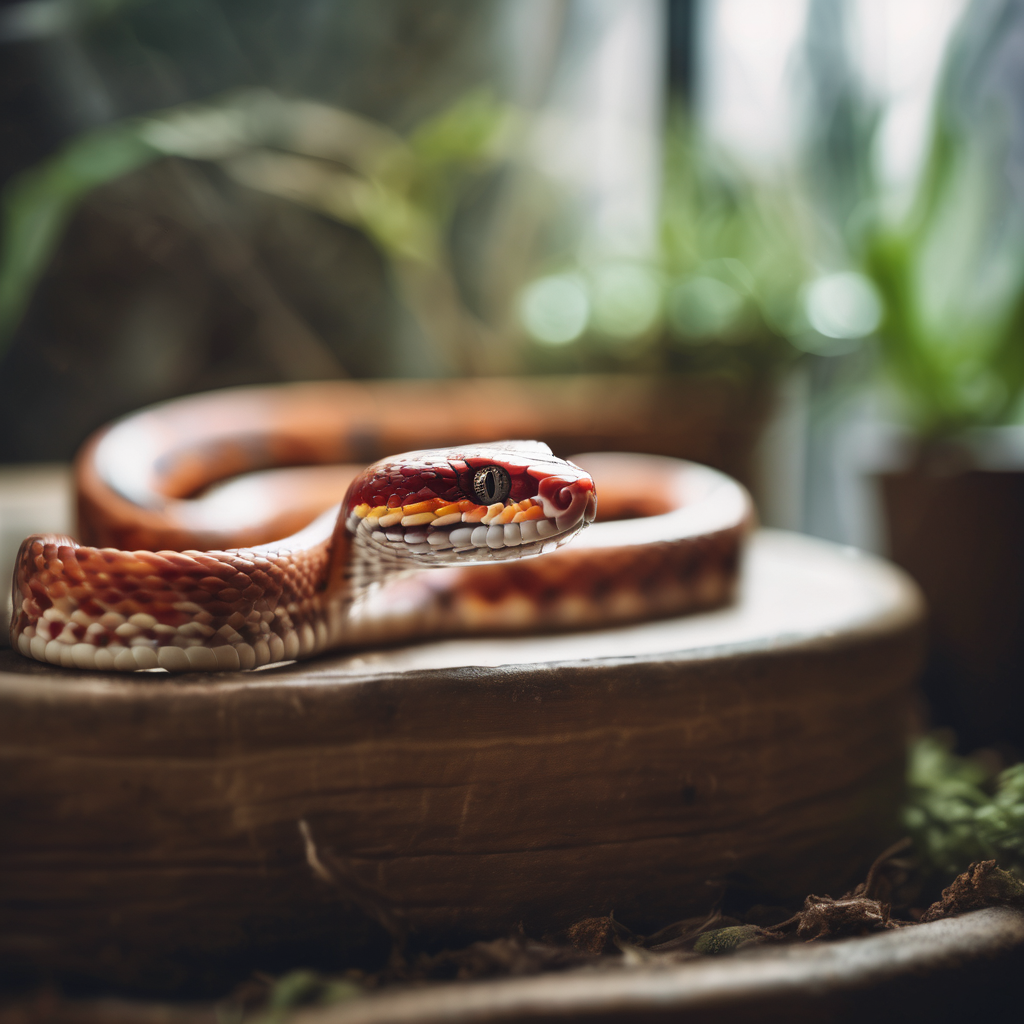
Snakes do not experience seasons the way mammals do. They do not grow a thicker coat in winter or shed more fur in summer. Instead, their bodies follow the temperature of their environment, and that simple fact drives everything about how they live across the year. A snake’s metabolism accelerates when the enclosure is warm and slows when it is cool, and the keeper’s job is to support that natural rhythm rather than fight it. Miss the seasonal shift in a snake’s needs and you will find a snake that stops eating, refuses to shed, or spends months motionless and thin — all signs that the temperature and feeding schedule have fallen out of step with what the snake’s biology expects.
\n\n
This guide walks through the four seasons of a pet snake’s year, covering how to adjust the temperature gradient, change the feeding frequency, and time the brumation period that keeps a snake healthy and stimulated. It is written for keepers of corn snakes, king snakes, ball pythons, hognose snakes, and other common pet snakes, and it treats the year as a cycle rather than a series of isolated events. It belongs alongside our complete brumation guide, our snake enclosure setup checklist, and our general seasonal reptile care resource for the full picture.
\n\n
\n\n
The year-round thermal rule
\n\n
The single most important rule of seasonal snake care is this: the coolest point in the enclosure must never drop below the species’ minimum for more than a few hours, and the snake must always have a way to warm up to the species’ maximum. For most common pet snakes, that means a warm side of 88-90 deg F and a cool side of 78-80 deg F. The seasonal work is not about changing these numbers drastically — it is about maintaining them as ambient room temperature shifts across the year, and about planning the feeding and activity cycle around the cooler months.
\n\n
A digital thermostat on every heat source is non-negotiable, and a digital thermometer and hygrometer should be checked daily. A snake that is kept at the right temperature will shed cleanly, feed reliably, and maintain its weight; a snake that is 5 deg F below its minimum will do none of those things consistently. The seasonal guide below assumes you have the heating and monitoring equipment in place.
\n\n
Spring: emergence and renewal (March-May)
\n\n
Spring is the season of reactivation. If you brumated your snake, March is when you gradually raise the temperature back to the active range over 7-10 days, moving up 2-3 deg F every other day. The day the temperature reaches the normal 88-90 deg F warm side, offer the first meal. A snake that spent the winter cool will often feed immediately, but some need a week or two to adjust. Do not force-feed; a healthy snake will resume eating on its own once the temperature is stable.
\n\n
March is also the time for the annual deep clean. Remove everything from the enclosure, wash the tank with a reptile-safe disinfectant, replace the substrate entirely, and clean the water dish. A snake that has been in shed or eating irregularly over the winter is carrying more bacteria in its enclosure than you realize. After the clean, return only clean decor, fresh substrate, and a water dish filled with fresh water.
\n\n
In April and May, as the temperature stabilizes and daylight increases, the snake’s appetite returns fully. Feed on a normal schedule (every 7-10 days for adults, every 5-7 days for juveniles) and watch for a clean shed. If a shed is stuck, the spring humidity may be too low; add a humidity hide or mist the enclosure lightly. For the full feeding protocol, see our frozen-thawed rodent guide.
\n\n
If you did not brumate your snake, it will have been active all winter, and the spring transition is simpler: just maintain the standard temperature and resume or continue the normal feeding schedule. Some keepers choose to brumate snakes that are entering their first winter, to establish the rhythm early; others skip brumation entirely until the snake is two or three years old and well-established.
\n\n
Summer: peak activity and heat management (June-August)
\n\n
Summer is when most snakes are at their most active. The temperature gradient is steady, the snake is eating well, and the only concern is overheating. Room temperatures above 80 deg F can push the cool side of the enclosure above 82 deg F, which makes it impossible for the snake to thermoregulate. If your room gets warm in summer, run the air conditioning or move the enclosure to a cooler location. A snake that cannot cool down will become stressed, refuse to eat, and may regurgitate.
\n\n
Water becomes critical in summer. A snake that is active and feeding well will drink more, and a water dish that is too small or too shallow will cause dehydration. Check the water daily and change it every other day at most. A snake that has access to a large enough water dish for soaking will maintain its humidity better than one that does not. For the signs of dehydration, see our guide on snake dehydration.
\n\n
Feeding stays on the normal schedule through the summer. A snake that is at its ideal temperature will eat every time it is offered food. If a summer feeding is refused, do not immediately assume illness — the enclosure may be too warm, or the snake may be preparing for a shed. Wait a week, check the temperature and humidity, and try again. A single refusal is rarely a problem; two in a row warrants investigation.
\n\n
Summer is also when you should plan for the fall brumation period. If you are going to brumate, start thinking about how you will cool the enclosure safely. A dedicated brumation setup (a separate cooler or a refrigerator set to 50-55 deg F) is the safest approach, but a cool room with a reliable thermometer works for many keepers.
\n\n
Autumn: preparation and wind-down (September-November)
\n\n
Autumn is the season of preparation. If you are going to brumate, September and October give you a 6-8 week window to reduce feeding frequency gradually so the snake’s digestive tract is empty before the temperature drops. A snake that is brumated with food in its stomach will regurgitate and can die from the stress of a full digestive system in a cold, inactive body.
\n\n
The protocol: in mid-September, extend the feeding interval from every 7-10 days to every 10-14 days. In October, feed only once every 2-3 weeks. By early November, the snake should have had its final meal and be empty. A healthy snake will gradually slow down and become less active as the temperature and daylight decrease naturally.
\n\n
November is also when you do the pre-brumation clean. This is the last full enclosure change before the snake enters its winter rest. Deep clean the tank, replace substrate, clean decor, and set up the brumation environment. If you are using a refrigerator or a dedicated cooler, test the temperature controller and confirm the thermostat works. For details on the equipment, see our snake enclosure setup guide.
\n\n
Not all keepers choose to brumate. Snakes that are young, underweight, or recovering from illness should not be brumated. A snake that is not brumated will maintain its normal feeding schedule, and the enclosure temperature should stay at the standard range. The only adjustment is that lighting should be on a consistent 12-12 cycle, since the snake will not experience the natural daylight shift that triggers its internal clock.
\n\n
Winter: brumation and quiet (December-February)
\n\n
Winter is when a brumated snake enters its dormant phase. The temperature in the brumation enclosure should sit at 50-55 deg F, which is cool enough to slow the snake’s metabolism but not so cold that it risks freezing. The snake will not eat during brumation and should not be handled or disturbed except for weekly weight checks. A snake that is brumating properly will maintain its weight with minimal water and no feeding for 2-4 months.
\n\n
The key to safe brumation is monitoring. Weigh the snake at the start and check its weight monthly. A healthy brumating snake loses 0-2% of its body weight; if it loses more than 5%, end the brumation and return the snake to active temperatures. Check the water weekly and refill as needed. A snake that is too warm (above 60 deg F) will not brumate properly and will slowly starve because it is not eating but still burning energy. A snake that is too cold (below 45 deg F) risks organ damage from prolonged chilling.
\n\n
If your snake is not brumated, winter care is simply maintaining the standard temperature and feeding schedule. The snake will remain active and eating, and the only seasonal concern is keeping the enclosure warm enough if your home heating is inconsistent. A snake that is kept at the right temperature year-round is a healthy snake, even without brumation.
\n\n
Month-by-month care calendar
\n\n
The chart below summarizes what to check and adjust each month. Individual snakes may vary, and the timing should shift by a month or two depending on your local climate.
\n\n
| Month | Action | Feeding | Temperature |
|---|---|---|---|
| March | Rise temp gradually; deep clean enclosure | Resume normal schedule | 78-80 deg F cool, 88-90 deg F warm |
| April | Watch for clean shed; monitor weight | Every 7-10 days | Standard gradient |
| May | Deep clean if needed; check ventilation | Every 7-10 days | Standard gradient |
| June | Check for overheating; refill water daily | Every 7-10 days | Ensure cool side stays below 82 deg F |
| July | Monitor water; watch for shedding issues | Every 7-10 days | Ensure cool side stays below 82 deg F |
| August | Plan brumation setup if applicable | Every 7-10 days | Standard gradient |
| September | Reduce feeding frequency gradually | Every 10-14 days | Standard gradient |
| October | Final feed before brumation; brumation clean | Every 2-3 weeks | Standard, then drop for brumation |
| November | Set up brumation enclosure; confirm temp | None for brumated snake | 50-55 deg F for brumation |
| December | Weekly weight checks; minimal disturbance | None | 50-55 deg F |
| January | Monthly weight check; check water | None | 50-55 deg F |
| February | Prepare for spring emergence | None | Start rising in late Feb if brumated |
\n\n
Brumation: the winter rhythm that keeps snakes healthy
\n\n
Brumation is not hibernation. A hibernating mammal lowers its body temperature to near freezing and its heart rate drops to a handful of beats per minute. A brumating snake lowers its metabolism but does not shut down: it can move, it can breathe, and it can be roused by a temperature change. The purpose of brumation in a pet snake is to provide the cool, dark, low-metabolism period that triggers healthy breeding behavior, appetite, and shedding in the spring. A snake that is never brumated can remain healthy for many years, but it is missing the natural cycle that its biology evolved to follow.
\n\n
The setup: a separate enclosure or a refrigerator set to 50-55 deg F, with a sub-thermostat or a reliable thermometer controller. The snake does not need food, water, or heat during brumation, but it needs to be checked monthly for weight loss and quarterly for water. A snake that is too warm (above 60 deg F) will not properly brumate and will slowly starve. A snake that is too cold (below 45 deg F) risks organ damage. A snake that loses more than 5% of its body weight should be taken out of brumation and returned to active temperatures immediately.
\n\n
Brumation is optional for most pet snakes. A corn snake or king snake that is never bred does not need to brumate to stay healthy. A ball python, however, often benefits from a mild brumation because it encourages feeding in the spring. Talk to your reptile vet about whether your snake’s species and individual health history suit brumation. For the full protocol, see our reptile brumation guide.
\n\n
Common seasonal mistakes
\n\n
The most common seasonal mistake is over-adjusting. A snake does not need a 20 deg F swing in its enclosure temperature across the year — the standard gradient should be maintained, and the seasonal work is in the feeding and brumation schedule, not in chasing ambient room temperature. A snake that is kept at 88-90 deg F warm side year-round will be healthy. A snake that is cooled to 70 deg F in winter “to simulate the season” is likely to get sick.
\n\n
The second mistake is brumating a snake that is not ready. A snake under two years old, one that is underweight, one that has been sick recently, or one that has not been consistently feeding should not be brumated. Brumation suppresses the immune system, and a snake that is already compromised will not survive the stress. If in doubt, skip the brumation — a healthy non-brumated snake is always better than a stressed brumated one.
\n\n
The third mistake is feeding too early in spring. A snake that is coming out of brumation will be ravenous, and the keeper’s instinct is to feed immediately. Do not. Wait until the temperature has been stable for at least a week, and offer a meal that is appropriate for the snake’s current body condition. A snake that is fed too early may regurgitate, and a regurgitation during recovery can cause permanent damage to the esophagus.
\n\n
Equipment adjustments by season
\n\n
The equipment that matters most is the thermostat. An under-tank heater without a thermostat is a burn hazard at any temperature, but it is especially dangerous when a keeper tries to compensate for a cold room by cranking the heat higher. A thermostat set to 90 deg F will maintain 90 deg F regardless of room temperature, and that is what the snake needs.
\n\n
In winter, if the room temperature drops below 65 deg F, a ceramic heat emitter or a radiant heat panel can provide ambient warmth without light. A brumated snake does not need heat at all, but the brumation enclosure should have a backup thermometer and a way to verify the temperature controller is holding steady.
\n\n
In summer, if the room temperature rises above 80 deg F, consider a small fan to circulate air around the enclosure (not blowing directly on the snake) or a portable air conditioner in the room. A snake that cannot access a cool side below 82 deg F will become stressed and may stop eating. A digital thermometer with a probe on each side of the enclosure will tell you the truth; trust it.
\n\n
Checklist: seasonal transitions
\n\n
- \n
- Do I have a thermostat on every heat source, confirmed working?
- Do I check the temperature gradient daily during seasonal transitions?
- If brumating: is the brumation enclosure temperature confirmed at 50-55 deg F and stable?
- Have I planned the feeding reduction schedule for autumn (if brumating)?
- Is my snake at a healthy weight and has it been consistently feeding before brumation?
- Do I have a digital scale to track weight monthly during brumation?
- Is there a reptile vet available if a seasonal problem arises?
\n
\n
\n
\n
\n
\n
\n
\n\n
Frequently asked questions
\n\n
Do I have to brumate my pet snake?
\n
No. Brumation is optional for most pet snakes. A corn snake or king snake that is kept at a stable temperature year-round and is not being bred will remain healthy without brumation. However, many keepers find that a properly managed brumation period improves the snake’s appetite and shedding cycle in the spring, and it is worth trying once the snake is well-established and healthy.
\n\n
What temperature should a brumating snake be kept at?
\n
The accepted range is 50-55 deg F. This is cool enough to lower the snake’s metabolism and stop its need for food, but warm enough to avoid organ stress from prolonged chilling. Temperatures below 45 deg F risk tissue damage, and temperatures above 60 deg F mean the snake is not properly brumating and will slowly starve without eating.
\n\n
My snake stopped eating in winter — is this normal?
\n
If you are not brumating, a snake that stops eating in winter is likely responding to a drop in enclosure temperature or a seasonal decrease in daylight. Check the thermostat, confirm the warm side is still at 88-90 deg F, and verify that the water is fresh and the enclosure is clean. If the temperature is correct and the snake is otherwise active and alert, a single skipped meal is not a crisis. If the snake loses weight or shows other warning signs, consult your vet.
\n\n
Can I wake a brumating snake to feed it?
\n
No. Moving a brumating snake and disturbing it will raise its metabolism and cause it to burn through its reserves faster. A properly brumating snake should be left undisturbed except for monthly weight checks and quarterly water refills. Forcing food on a brumating snake can cause regurgitation, which is dangerous during the cold period.
\n\n
How do I know if my snake is ready for brumation?
\n
Your snake should be at least two years old, have a consistent feeding record (eating every offered meal for at least 3 months), be at a healthy weight, and have no recent health issues. A snake that is underweight, has a history of feeding refusals, or has been sick in the past year should not be brumated. If in doubt, skip this year and try again next year when the snake is more established.
\n\n
Does seasonal care affect my snake’s lifespan?
\n
A snake kept at stable, correct temperatures year-round and fed on a consistent schedule will live just as long as one that is brumated. The benefit of brumation is behavioral — it often improves the snake’s response to spring feeding and can encourage breeding — not longevity. A non-brumated snake that is kept at the right temperature and receives regular vet checkups is just as healthy as a brumated one.
\n
Leave a Reply