
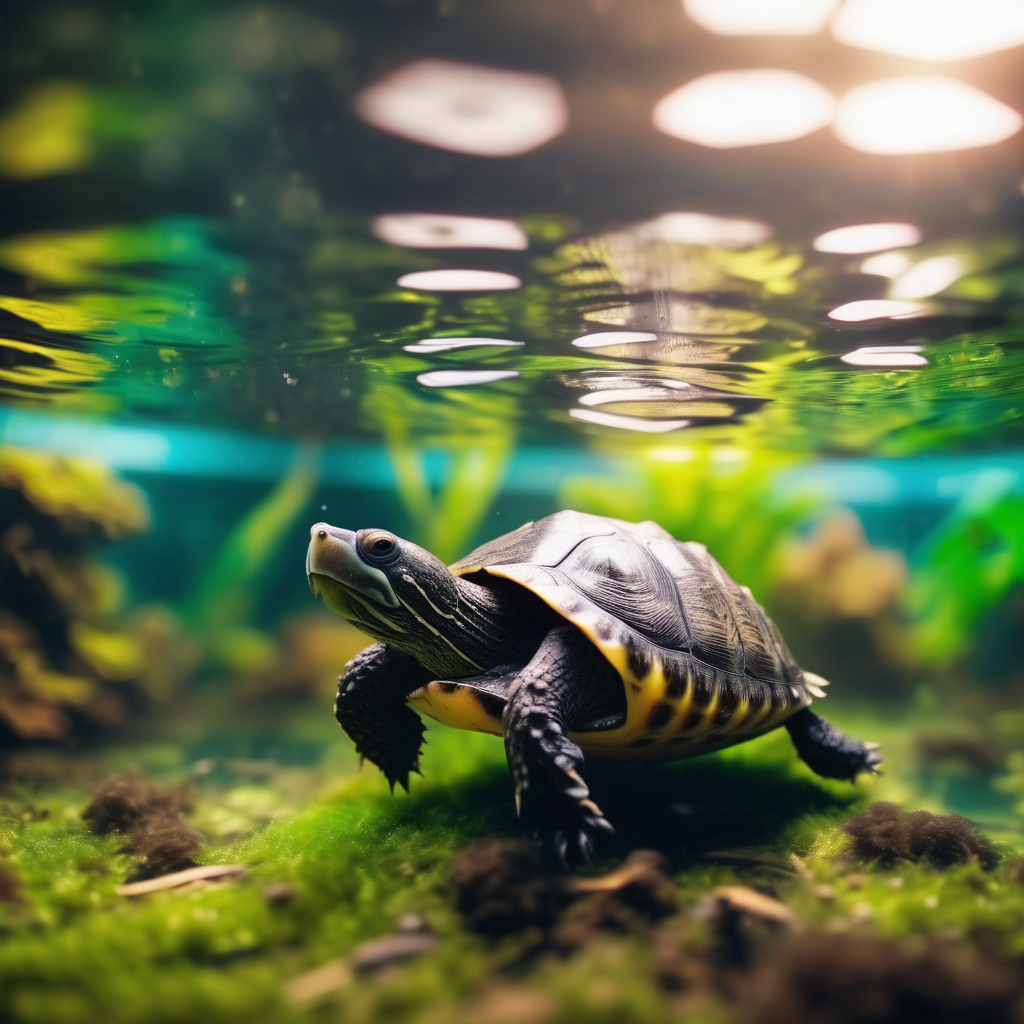
Musk turtles are the smallest of the North American aquatic turtles — adults reach four to five inches, and they are perfectly content in captivity where the box turtles need space and the sliders need filtration. They are also the lowest-maintenance aquatic turtle, spending most of their lives in water and basking only briefly. The keeper who understands the fully aquatic requirement and the specific diet has the easiest turtle in the hobby.
This guide covers the complete care. Part of the aquatic herps guide and the reptile equipment guide series.
The Species
- Size: four to five inches as adults — the smallest aquatic turtle.
- Lifespan: twenty-five to forty years with proper care.
- Activity: almost entirely aquatic — they spend 95 percent of their time in the water and bask only for warmth and drying.
- The musk: the name comes from the musk glands they release when stressed, and the odor is the defense. Captive-bred turtles are calmer.
- Availability: wild-caught imports are common and stressed; captive-bred is the choice for a healthy start.
The Aquatic Enclosure
They live in water — the setup is the aquarium, not the terrestrial tank:
- A 29-gallon long aquarium is the minimum for an adult — the water volume stabilizes the quality, and the surface area allows basking. Larger is always better.
- Water volume: two-thirds water, one-third land — the aquatic ratio is the requirement, and the dry tank kills them.
- Water quality: the filtration must handle the bioload, and a canister or sponge filter with a gentle flow is the standard. The water change schedule is weekly.
- conditioner on all water — chlorine and chloramine are lethal, and the treatment is mandatory on every addition.
- Substrate: smooth river stones or bare bottom — no sand, which they ingest during feeding. The edible substrate is an impaction risk.
- A water heater — 72 to 78 degrees, and the tropical temperature is the requirement. The cold-water musk turtle develops illness.
The Basking Area
- A platform above the water — the turtle must be fully out of the water to dry, and the platform is the requirement.
- A dry basking surface — cork bark, a slate tile, or a commercial platform. The turtle needs to be completely dry, and the damp platform produces shell rot.
- Basking lamp: a 50 to 75-watt basking bulb reaching 85 to 90 degrees at the surface, measured with an infrared thermometer.
- No UVB requirement debated — the recent evidence supports low UVB, and the diet-based calcium often suffices. The UVB is insurance, not a requirement.
- The basking time is short — five to fifteen minutes, sometimes several times a day, and the turtle returns to the water.
The Diet
The specialized diet that distinguishes them from other aquatic turtles:
- Animal protein as the staple — unlike the herbivorous adult turtles, musk turtles are carnivorous and thrive on protein. The diet includes:
- Commercial turtle pellets (soaked soft and broken up)
- Thawed or fresh-water fish (tilapia, goldfish, minnows)
- Frozen or live-insects (earthworms, mealworms, bloodworms, brine shrimp)
- aquatic snails and small crayfish (the occasional live prey triggers the hunt)
- No plant matter required — they rarely eat greens, and forcing it causes refusal. The carnivorous diet is the natural one.
- Calcium supplementation — lightly dusted on the food, and the cuttlebone available in the water.
- Feed every other day for adults, daily for juveniles — the portion is what they eat in five minutes.
The plant-only diet that beginners force on them is the reason they fail — the musk turtle is a carnivore, and the pellets and fish are the correct diet.
The Water
- Murky is acceptable — unlike the crystal-clear turtle tanks, musk turtles prefer dim, slightly stained water, and the cloudiness reduces stress.
- The filtration handles the waste — the carnivorous diet produces more nitrogen, and the robust filtration is the requirement.
- Weekly 25 to 50 percent water changes — the water quality maintenance, and the test kit for the parameters.
- No tank mates that compete — the other turtles and the large fish stress them, and the conspecifics in a group work best.
The Behavior
- The musk response — the odor released when handled or stressed, and the defense mechanism. Captive-bred reduce it; the stress cannot be eliminated.
- The “dinking” feeding — the turtle surfaces to breathe in a single swift motion, and the behavior is the signature.
- The shy nature: they retreat into their shell and sink when disturbed, and the watch-only observation is the interaction.
- Daily activity with the basking breaks, and the active eating is the display.
Health Monitoring
- Shell rot: from a damp basking area — the soft shell and the odor are the signs, and the dry platform is the prevention.
- Respiratory infection: from cold water or poor basking — the wheezing and the mucus, and the temperature is the fix.
- Impaction: from the sand substrate or large prey — the lack of feces and the lethargy, and the solid substrate is the prevention.
- Retained eye caps: from low humidity at the surface — the clouded eyes, and the humidity maintenance is the fix.
- The musk turtles are hardy — the healthy adult rarely declines, and the stress is the warning sign.
Frequently Asked Questions
How big do musk turtles get?
Four to five inches as adults, and the 29-gallon long is the minimum for one. They do not grow to the size of the slider, and the aquarium size is manageable for most homes.
Do musk turtles need UVB?
Not strictly — the diet and the calcium supplementation often suffice, though low UVB is beneficial. The strictly aquatic lifestyle and the carnivorous diet reduce the UVB need below the terrestrial species.
What do musk turtles eat?
Animal protein — turtle pellets, thawed fish, earthworms, mealworms, bloodworms, and occasional aquatic snails. They rarely need plant matter, and forcing greens causes refusal. Calcium is dusted on the food.
The Bottom Line
A 29-gallon long aquarium two-thirds full with filtered water at 72 to 78 degrees, treated with conditioner on every addition. A basking platform fully out of the water with a 50-75 watt bulb reaching 85 to 90 degrees at the surface, and the platform must be dry — the damp causes shell rot. The diet is animal protein — turtle pellets, thawed fish, earthworms, and the dusted calcium, and they do not need plant matter. The filtration and the weekly water changes handle the carnivorous waste, and the murky water reduces stress. The musk odor is the defense, released under stress, and handling them reduces it. The musk turtle is the easiest aquatic turtle — the fully aquatic setup and the carnivorous diet are the requirements, and the rest is waiting.
Leave a Reply