
Why the Vet Visit Is the Most Neglected Part of Reptile Keeping
Dog and cat owners book checkups without thinking. Reptile owners often do not take a healthy animal to a vet once in its life, and the first appointment happens during an emergency — usually at night, usually at a clinic that does not see reptiles, usually with an owner who has no history, no photos, and no fecal sample. That is the worst possible version of the visit, and it is completely avoidable.
Reptiles hide illness until it is advanced. By the time a snake stops eating, a gecko stops moving, or a frog develops visible skin lesions, the underlying problem has often been building for weeks. The practical response is two-part: know the warning signs well enough to act early (covered in our guide to reptile warning signs), and have the logistics of the vet visit worked out in advance so an early appointment is a routine errand rather than a crisis.
This guide is part of our reptile care series. If you do not yet have a reptile vet, read how to choose a vet for your reptile first — that is the step that has to happen before you need them, not after.
One Week Before: The Prep That Makes the Appointment Useful
The single biggest difference between a productive reptile exam and a wasted one is the information the vet has. Exotic medicine is largely detective work, and you are the one holding the clues.
Start a husbandry log
Write down, for the last two weeks minimum:
- Temperature readings — warm spot and ambient, with the actual thermometer model you use and where the probe sits. “It feels warm enough” is not data; “basking spot 32°C, cool end 24°C, probe at substrate level” is.
- Humidity readings — same thing, actual numbers from a hygrometer rather than an estimate.
- Lighting — bulb type, wattage, brand, and the date you last replaced the UVB bulb. UVB output drops long before the bulb stops glowing, and a bulb two years old is functionally dead for most species.
- Feeding — what, how much, how often, and every refused feed with the date. A food refusal three weeks ago is often the earliest sign of the problem you are now booking an appointment for.
- Waste — last normal feces and urates, and any diarrhea, blood, or long gaps. Note the color and consistency changes.
- Behavior changes — hiding more than usual, spending time in odd places, changed posture, gaping, unusual shedding. Even changes that seem minor are diagnostic gold.
Collect a fresh fecal sample
Parasites are the most common finding in a routine exotic exam and cannot be diagnosed without a sample. Collect the freshest feces you can within 24 hours of the appointment, seal it in a small bag or clean container, label it, and keep it cool — not frozen. If the sample is more than a day old it is far less useful, and a vet working blind often sends you home with a collection kit and a second appointment fee.
Photograph the enclosure and the animal
Six photos on your phone: the whole tank lit, the warm side, the cool side, the water/humidity area, and a top-down plus side view of the animal. Vets routinely want to see the setup, and photos taken in the exam room under strange lighting tell them almost nothing. Photograph any visible lesion, discoloration, or abnormal shed while the animal is still in familiar surroundings.
Fast the appointment the right way
Do not feed your reptile the morning of the appointment if bloodwork is likely — a recently fed reptile has a cloudy plasma that can skew results. That said, do not fast a small or already-weak animal for long: ask the clinic when you book whether fasting is needed and for how long. For most small lizards and snakes, 24 hours is the practical answer; for a debilitated animal, ask them not to fast at all.
Book the right clinic
Confirm on the phone that they see your species. “Do you treat reptiles, and specifically do you see bearded dragons / ball pythons / dart frogs?” A clinic that sees dogs and cats may happily take the appointment and then have nothing to offer beyond a referral. Ask about their reptile experience the same way you would ask about any specialist.
Transport: The Part That Goes Wrong Most Often
Most reptile vet visits go wrong before the animal reaches the clinic. Cold is the killer, and a loose animal in a car is a lost animal.
The container
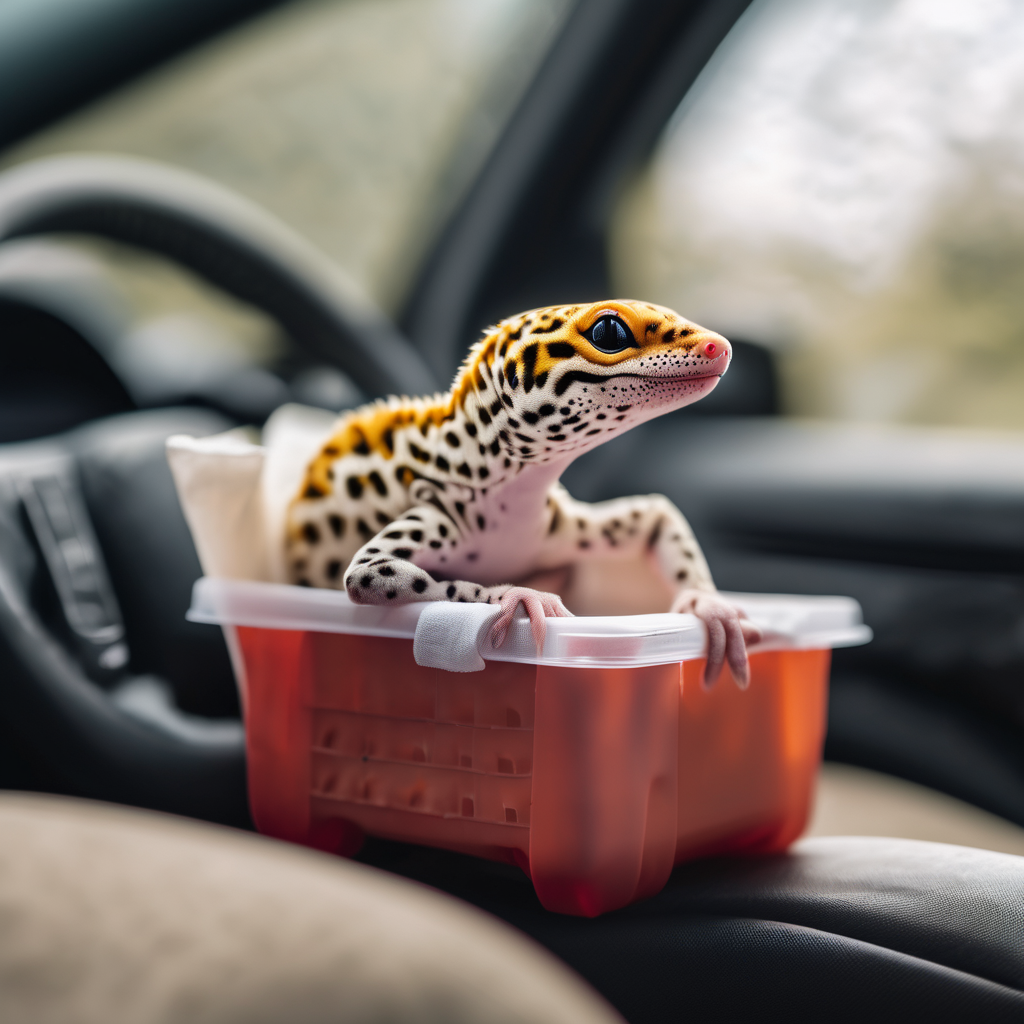
- Secure and ventilated — a lidded plastic tub with air holes, or a small cloth reptile bag inside a rigid box for snakes. The lid must be clipped or taped; a snake pushing against a lid in a moving car will open a poorly secured one.
- The right size — big enough for the animal to sit normally, small enough that it cannot slide around during braking. A loose snake in a large box is a stressed snake and an injured one.
- A familiar floor — paper towel or a piece of its usual substrate. Never sand or loose bedding in transit; it shifts and can be ingested.
- No water dish — a sloshing bowl soaks the animal and drops the temperature further. Most reptiles tolerate a short trip without water, and a vet can provide it if needed.
- A hide or cover — an overturned small box or a cloth over the container reduces stress dramatically by giving the animal somewhere to feel hidden.
Keeping the temperature up
This is non-negotiable for reptiles. Cold-stressed reptiles arrive immunosuppressed, which can turn a routine exam into a diagnostic problem and a mild issue into a real one.
- Pre-warm the car so the cabin is comfortable before the animal goes in.
- Place the container on a heat source: a chemical hand warmer wrapped in a towel (never directly against the container — burns are real), a hot water bottle wrapped in a towel, or a dedicated reptile heat pack rated for transport.
- Keep the container out of direct sun and away from air vents. A car dashboard in sun can cook a reptile faster than a cold car can chill it.
- Never leave the animal in a parked car, even for the two minutes you spend checking in.
Target the animal’s normal warm-side temperature for the whole trip. A thermometer inside the container, visible at a glance, is worth the two dollars.
Keep it quiet and dark
Music off, phone calls off, no passengers leaning over the container. Darkness and quiet keep cortisol down, and a calm reptile is easier for the vet to examine and less likely to arrive with stress-related symptoms masking the real ones.
What the Appointment Actually Involves
Knowing the sequence removes most of the anxiety, and tells you what to expect when the vet disappears for twenty minutes.
1. History — the part you prepare for
The vet will ask about the enclosure, temperatures, feeding, weight trend, and the specific concern. Your log is used here. Vague answers produce vague diagnoses; bring the numbers.
2. Physical examination
A proper reptile exam includes weighing the animal (weight trend is the single most useful long-term health metric), checking the mouth and eyes, palpating the body for masses and body condition, examining the vent and skin, and checking the limbs and spine. For snakes, a full-body palpation down the length. Expect the vet to handle the animal calmly and firmly — reptiles read hesitant handling as predatory and fight more.
3. Fecal examination
Your sample gets examined under a microscope for parasites. This is usually done while you wait or sent to a lab; either way it is the most commonly useful test in reptile medicine.
4. Bloodwork and imaging when indicated
Blood draws in reptiles are typically taken from the ventral tail vein or a jugular site, and require restraint — expect the animal to be taken to a back room for this and for X-rays. Reptile bloodwork is more limited than mammal bloodwork but still valuable for organ function, infection markers, and calcium status, particularly in egg-bound females and animals with metabolic bone disease.
5. Treatment and the plan
This may mean an injectable or oral medication, a course of supportive care, or simply husbandry corrections. Ask for the dose, the schedule, and how it is administered — reptile medication is usually given by syringe directly into the mouth or injected, and the technique matters. Ask what improvement should look like and by when, so you can tell whether the treatment is working.
Warning Signs: When to Skip the Regular Appointment and Go Now
Not every visit can be booked a week out. These signs mean a same-day call to a reptile vet, not a routine appointment:
- Open-mouth breathing, bubbles or discharge from the nostrils, wheezing, or the head held raised — classic respiratory infection, and it progresses to pneumonia fast in reptiles.
- Prolapse of any tissue from the vent — an emergency within hours.
- Neurological signs — stargazing (head twisted upward), circling, tremors, seizures, or inability to right itself. These can indicate inclusion body disease in boas, metabolic crisis, or toxicity.
- Sudden severe swelling, especially the abdomen in a female — egg binding is a genuine emergency.
- Significant bleeding or an open wound.
- Refused food for an extended period with visible weight loss — not an emergency in itself, but a reason to book within days rather than weeks. A snake that has lost noticeable body condition is not simply fasting.
- Abnormal shed with retained skin on toes and tail — constricting retained shed can cost toes; it is worth a prompt visit plus a humidity fix at home.
Any of these should also trigger a review of the husbandry basics at home — temperature, humidity, UVB, and cleanliness — because most reptile illness is a husbandry problem wearing a medical mask. If your setup is questionable, fix it the same day; our guides on humidity control and UVB lighting cover the two most common culprits.
Twelve Questions Worth Asking Your Herp Vet
- What is my animal’s ideal weight range, and what does its current body condition score mean?
- Based on my temperature and humidity readings, what single change would improve this setup most?
- How long should this UVB bulb last for my species, and how do I know when it is spent?
- What is the correct feeding frequency and prey size for this animal at this age and season?
- Is this shedding pattern normal, or does the retained shed point to a humidity problem?
- How do I give this medication correctly, and what do I do if the animal spits it out?
- What improvement should I expect, and over how many days?
- What are the first warning signs that would bring me back before the next checkup?
- Which parasites are common in my species, and how often should I screen for them?
- Do I need to quarantine or test anything new I add to the enclosure?
- What is the realistic lifespan and adult size, so I can plan the enclosure?
- Who covers for you after hours if this becomes an emergency?
Write the answers down. A vet visit you remember in fragments is a vet visit you cannot act on.
After the Visit: The First 48 Hours
- Get the animal back to correct temperature quickly — a reptile that has been handled, medicated, and transported is a reptile that needs to thermoregulate immediately.
- Offer water, then food — hydration first, and do not be alarmed if a meal is refused for a day or two after the stress.
- Start any medication on schedule — set alarms. Missed doses in reptiles, where medication is often concentrated into few administrations, matter more than in mammals.
- Watch and log — feeding, waste, weight, and behavior for two weeks. That record is what tells both you and the vet whether the treatment worked, and it becomes the baseline for the next visit.
- Fix the husbandry findings — the vet’s setup advice is the highest-value part of the visit and the part most often ignored. A temperature corrected the same week prevents the next illness.
FAQ
How much does a reptile vet visit cost?
Expect a basic exam to run in the range of a small-animal exam or somewhat above, with diagnostics adding to it: fecal tests are usually modest, bloodwork and X-rays cost more. Prices vary widely by region and clinic, so ask for the exam fee and the likely diagnostic range when you book — a reputable clinic quotes upfront.
How often should a healthy reptile see a vet?
An annual checkup with a fecal screen is a reasonable baseline for most species, and twice a year for older animals, breeding females, and species with known health sensitivities. Annual visits catch weight trends and subclinical parasites long before an emergency does.
Can I take my snake to a regular vet?
Only if that vet explicitly sees reptiles. A general practice that does not treat exotics will often still take the appointment, which wastes your money and delays real treatment. Ask the species question on the phone.
Should I bring the whole terrarium to the appointment?
No — but bring the photos and your husbandry log. If the vet specifically asks to see a piece of decor or a bulb, bring that item. Carrying a full glass tank is not practical and stresses the animal.
My reptile stopped eating — is that an emergency?
Not on day one. Snakes routinely refuse meals for weeks for normal reasons, and seasonal fasting is expected in many species. It becomes urgent when it is paired with visible weight loss, lethargy, abnormal posture, or any of the warning signs above. See our brumation guide for the seasonal context.
Do reptiles feel pain during a vet exam?
Yes, and a competent herp vet handles the animal to minimize stress and uses analgesia when a procedure warrants it. If a clinic handles your reptile roughly or dismisses pain, that is a reason to change clinics.
The Bottom Line
A good reptile vet visit is decided before you leave the house. Bring the log, the photos, and the fecal sample; pre-warm the car and secure the container; and ask the questions that turn an exam into a husbandry plan. Do that, and the appointment is twenty quiet minutes that buys you a healthier animal for years. Skip it, and the same visit becomes a scramble where you pay emergency rates for information you already had.
Leave a Reply