
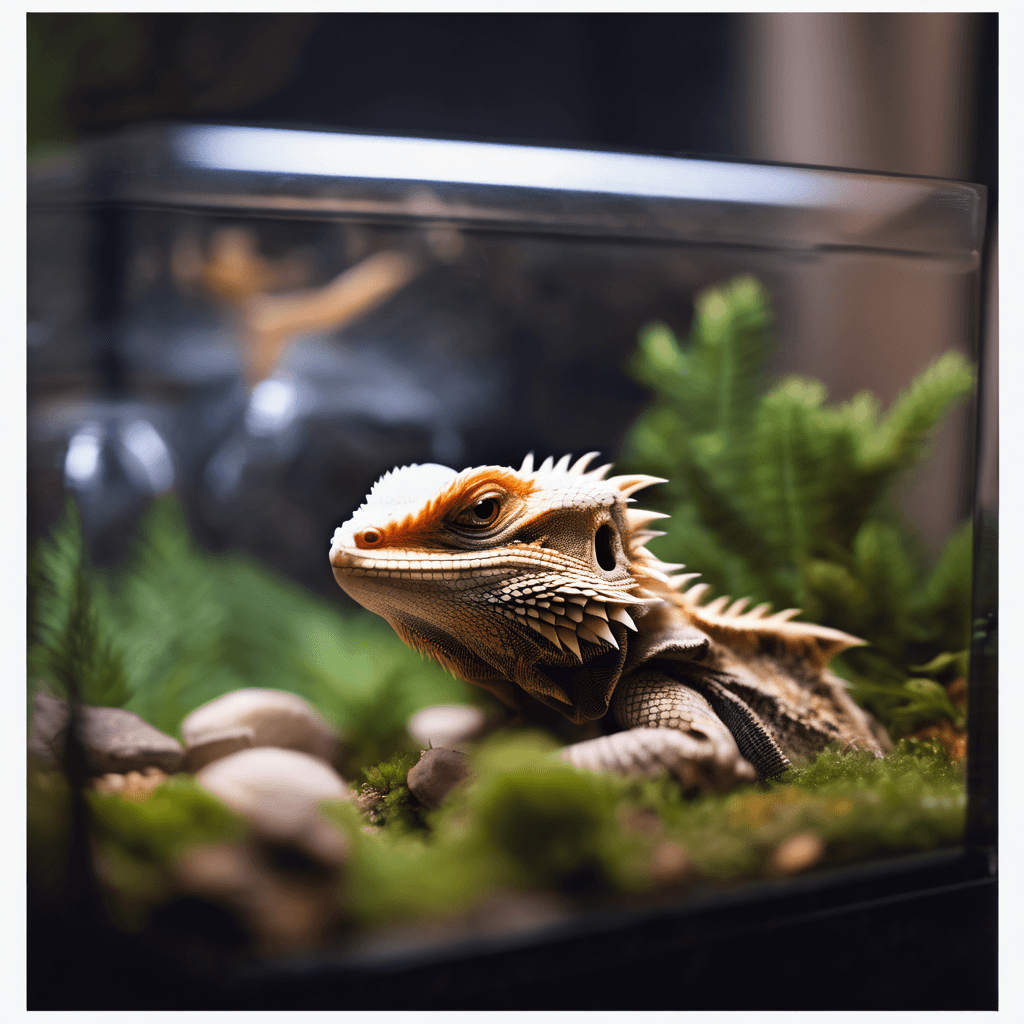
Brumation is the reptile version of hibernation — a winter period of reduced activity, slowed metabolism, and little or no eating, driven by shorter days and falling temperatures. It is normal, healthy, and in several species it is required for long-term health and breeding. It is also the single period where the most husbandry mistakes happen, because a slowed animal hides problems that a healthy keeper would notice immediately.
This guide covers when to brumate, when not to, and how to do it safely. It extends the seasonal reptile care guide and the terrarium thermostat guide.
What Brumation Is
- Not true hibernation. Mammals drop their body temperature; reptiles stay cold-blooded and simply move and eat less. They wake periodically to drink.
- The triggers: a gradual drop in temperature, shorter daylight hours, and a seasonal change in food availability. All three together, in the wild.
- The signs: hiding more, sleeping longer, refusing food, and moving slowly. A brumating bearded dragon may sleep for weeks and eat nothing.
- What it is not: a way to save money on food or electricity, and not a fix for an animal that is already sick. Brumating an unhealthy reptile is how a minor problem becomes a fatal one.
Which Species Brumate
- Brumation strongly expected: bearded dragons, leopard geckos, corn snakes, king snakes, milk snakes, Russian tortoises, most temperate-zone colubrids, and many skinks.
- Brumation optional: ball pythons and most tropical species — they come from regions without a cold winter and do fine without it, though some breeders brumate them before pairing.
- Never brumate: tropical species from stable climates — crested geckos, chameleons, most frogs, and anything whose wild range has no seasonal temperature drop. Forcing a rest period on them is stress with no benefit.
- The rule: brumate what the wild population does. If the species’ native range has a cold season, a rest period is natural; if it does not, do not improvise one.
For species-specific setups, see the bearded dragon setup guide and the leopard gecko setup guide.
Who Should Not Brumate
This is the part most first-time owners skip, and it is where animals die:
- Any reptile under a year old — juveniles need steady growth, and a rest period costs them reserves they do not have.
- Underweight or thin animals — check the tail base and the hip bones. No visible fat reserves means no brumation.
- Animals that were sick this year — parasite loads, respiratory infections, and mouth rot all worsen through a fast.
- An animal already refusing food in summer — a reptile that stops eating in July has a problem that brumation will hide, not solve.
- If you cannot monitor the space daily — vacations during a brumation are how animals are found too late.
The Preparation, Four to Six Weeks Before
- A vet check with a faecal test — this is the step that catches the parasite load that kills during a fast. A brumating reptile cannot fight a worm burden.
- Stop feeding, but keep temperatures normal, for one to two weeks. The gut must empty completely. Food rotting in a slow digestive tract causes fatal impaction or sepsis. Temperatures stay up so digestion can finish.
- Confirm healthy weight — the tail should be round, the hips not prominent.
- Check the enclosure — everything that will be needed for two to three months works now: thermostats, hides, a water dish, and the location of the cool-down space.
- Plan the lighting change — drop the photoperiod from twelve to fourteen hours down to eight to ten hours over a few weeks, matching the temperature drop.
The Cool-Down, and the Brumation Itself
Gradual is the whole point. A reptile dropped straight from 95 degrees to 50 goes into shock.
- Lower the temperature over one to two weeks — reduce the basking spot and the ambient temperature in steps, adjusting the thermostat each few days.
- Target range: 50 to 60 degrees for temperate species, the equivalent of a cool autumn. Some keepers brumate leopard geckos at 60 to 65; bearded dragons at 55 to 65.
- Reduce lighting to eight to ten hours. Darkness matters as much as temperature.
- Water always available. They wake to drink, and dehydration is the real risk — not starvation. Soak in shallow lukewarm water twice a week if the enclosure is dry.
- Duration: four to eight weeks for most species, up to twelve for some tortoises. Longer is not better.
- Weigh weekly. A reptile losing more than about ten percent of its starting weight comes out early. Write the weights down.
- Keep the space dark and undisturbed. Checking on it every hour is handling, and handling burns reserves.
- Watch for the opposite problem — a warm spell that pushes the room above 70 degrees ends the brumation early and leaves the animal half-fasted and confused. The location matters more than the equipment.
The Warm-Up
- Raise temperatures back over one to two weeks, in the same gradual steps as the cool-down.
- Restore full lighting and basking temperatures first — the animal needs heat to restart digestion.
- Offer food after the first week at full temperature — small, easy prey: a pinky rather than an adult mouse, greens rather than large insects.
- Expect a slow appetite. Most animals are eating normally within two weeks. Anything not eating by week three is a vet visit, not a wait-and-see.
- Weigh after the warm-up — the animal should regain lost weight over the following month. Rebuild the reserves deliberately with a slightly richer feeding schedule.
When to Skip Brumation Entirely
- Beginner keepers — a pet reptile brumated incorrectly is the most common serious mistake in the hobby. Feeding normally through winter is a perfectly good life for a captive animal.
- Pet-only animals, never bred — brumation is required for cycling females and conditioning males, not for a single pet in a living room.
- Tropical species — no cold season in the wild, no benefit in captivity.
- Anything you cannot monitor for ten weeks — including an unstable room temperature.
Warning Signs During Brumation
Contact an exotic vet for any of these — they are not normal brumation behaviour:
- Weight loss above ten percent of the starting weight.
- Visible emaciation — hips, spine, or tail base becoming prominent.
— respiratory infection. - Eyes sunken or dull — dehydration.
- Regurgitated or impacted material — the gut was not empty before the cool-down.
- A reptile that wakes repeatedly and paces — usually the temperature is unstable, swinging too warm.
- Not eating three weeks after the full warm-up — the fast masked a problem.
The Brumation Checklist
- Vet exam and faecal test completed, parasite load clear
- Feeding stopped one to two weeks before, at full temperature
- Gut visibly empty — no recent stool expected
- Animal over a year old and in visible good weight
- Temperature lowered gradually over one to two weeks
- Lighting reduced to eight to ten hours
- Cool space holding 50 to 60 degrees, no warm spikes
- Fresh water available at all times, twice-weekly soaks
- Weekly weights recorded on paper, ten-percent threshold set
- Warm-up planned in gradual steps, first feeding after week one
Frequently Asked Questions
Do I have to brumate my bearded dragon?
No. Captive bearded dragons live full lifespans without a rest period. Brumation is natural and some keepers use it to support breeding cycles, but a healthy adult kept awake through winter with normal heat and light is fine.
How cold is too cold during brumation?
Below 45 degrees is dangerous for temperate species, and below 40 risks organ damage. The target is a cool 50 to 60, monitored by a thermostat rather than guessed from the room.
Can I brumate a snake and a lizard in the same room?
Only if both species need the same temperature range. Snakes like corn snakes handle the low 50s; a leopard gecko prefers the low 60s. A room at one temperature cannot serve both.
My reptile stopped eating in November — is that brumation?
Only if you deliberately dropped the temperature and photoperiod. An animal that refuses food in a warm, well-lit enclosure has a husbandry problem or an illness, and needs investigating rather than a fast.
How long should brumation last?
Four to eight weeks for most temperate reptiles, twelve at most. Longer fasts cost reserves with no added benefit, and the weekly weight check decides whether to end it early.
The Bottom Line
Brumation is optional, not obligatory. If you brumate: a vet check and faecal test first, feeding stopped for one to two weeks at full temperature so the gut empties, then a gradual cool-down to 50 to 60 degrees with eight to ten hours of light. Water always available, weekly weights recorded, and a ten-percent weight loss as the automatic stop. Then a gradual warm-up, first food after a week at full temperature, and normal eating expected within two. Never brumate a juvenile, a thin animal, a sick one, or a tropical species — and never brumate an animal you cannot check weekly. For most pet reptiles, the simplest correct answer is a normal winter with the heat on, and a spring feeding schedule that starts as the days lengthen.
Leave a Reply