
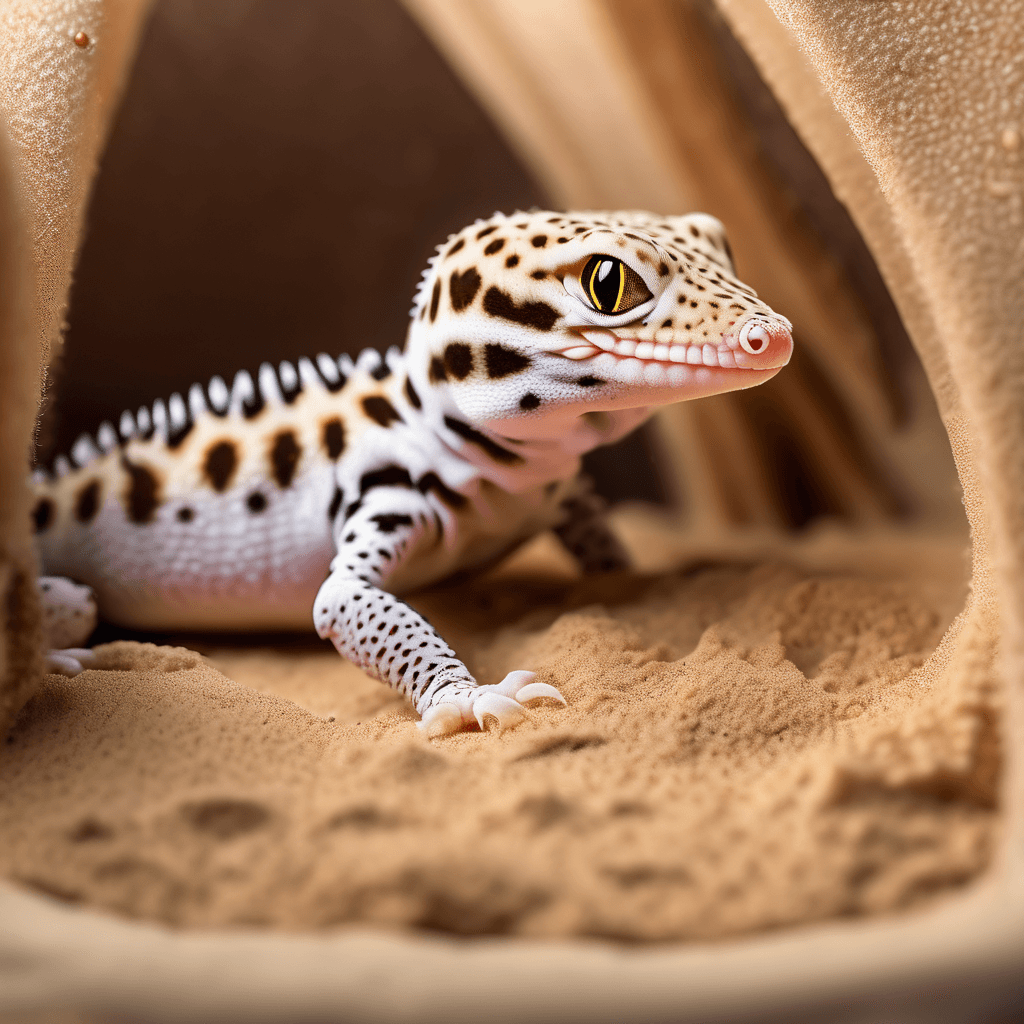
Leopard geckos are the easiest lizard in the hobby — ground-dwelling, crepuscular, and hardy enough to tolerate the beginner mistakes that kill more sensitive species. They have been captive-bred for decades, which means the animals are healthy and the requirements are simple. The dry enclosure, the belly heat, and the insect diet are the entire care.
This guide covers the complete beginner setup. Part of the small pet reptiles guide series.
The Species
- Size: seven to ten inches as adults — the tank requirement is floor space, not height.
- Lifespan: ten to twenty years with proper care.
- Activity: crepuscular — active at dawn and dusk, and they sleep during the day.
- Temperament: docile and tolerant of handling — the beginner standard.
- Availability: captive-bred is the standard, and the morphs are numerous. Always captive-bred.
The Enclosure
- A 20-gallon long tank for an adult — the length suits the ground-dwelling lifestyle. A 10-gallon for a juvenile, upgraded as it grows.
- Secure lid — they climb, and an uncovered tank is an escape.
- Substrate: paper towels, tile, or reptile carpet for the safest option. Loose sand risks impaction if ingested during feeding, and the solid surfaces eliminate it.
- Three hides minimum — the warm hide, the cool hide, and the moist hide. The retreat at each temperature zone is the thermoregulation requirement.
- A water dish — shallow, always full, and they drink and soak.
- No overhead heat lamp needed — they do not bask like lizards, and the heat comes from below.
The Heating
- An under-tank heat mat on one side — creates the warm/cool gradient they thermoregulate across.
- A thermostat is non-negotiable — the unregulated mat reaches burn temperatures, and the burn is the most common injury. The thermostat is the safety equipment.
- The warm spot at 88 to 92 degrees — measured at the surface with an infrared thermometer, not the air temperature.
- The cool side at 70 to 75 degrees — the gradient between them is the thermoregulation.
- Night drop to 65 to 70 degrees — they tolerate and benefit from the drop.
The thermostat and the infrared thermometer are the two pieces of equipment that separate the surviving geckos from the burned ones — the surface temperature is the measurement, and the air temperature is misleading.
No UVB — With a Caveat
- They do not require UVB — the debate continues, but they thrive without it, and the calcium comes from dusting.
- Low-level UVB is beneficial — the recent evidence supports it, and a low-output bulb is the insurance. Not required, but recommended.
- A day/night cycle — ambient room light provides it, and no special lighting beyond the optional low UVB.
The Moist Hide
The most important hide:
- A closed hide with damp moss or paper towel — the localized humidity retreat.
- Prevents stuck shed — the gecko that cannot shed completely has toes that constrict, and the moist hide is the prevention.
- The dry ambient humidity — leopard geckos need 30 to 40 percent ambient, and the moist hide provides the exception.
- Permanent, not seasonal — the hide is always available, and its absence is the most common cause of stuck shed.
The Diet
- Insects as the staple — crickets, dubia roaches, mealworms, and black soldier fly larvae. The variety is the nutrition.
- Dusting is mandatory — calcium at every feeding for juveniles and every other for adults, plus a multivitamin weekly. The dusted insects are the nutrition, and the undusted ones produce deficiency.
- Feed juveniles daily — as many insects as they eat in 10 to 15 minutes. Adults every other day.
- Size the insects — no longer than the space between the gecko’s eyes.
- Remove uneaten insects — they stress the gecko and can bite.
- No wild-caught insects — pesticides and parasites, and the store-bought or cultured insects are the safe option.
- Treats: waxworms and superworms occasionally — high fat, and the obesity risk with overfeeding.
The dusting is the step beginners skip, and the skipped step produces metabolic bone disease — the deformed limbs, the rubber jaw, and the preventable condition that kills. The calcium powder is not optional.
The Handling
- Support the body — never grab the tail, and they drop it as a defense. The tail regrows but not identically.
- Let them walk through your hands — they are fast, and the calm handling keeps them calm.
- Short sessions — five to ten minutes, and the handling time grows as they acclimate.
- Wash hands after — salmonella is real with all reptiles.
- Watch the body language — the raised tail and the vocalization mean stress, and the return to the enclosure follows.
Health Monitoring
- Stuck shed: the moist hide check first, then the humidity and the dusting. Retained eye caps need a vet.
- Metabolic bone disease: from missing dusting — the deformities are advanced symptoms, and the dusting is the prevention.
- Refusing food: often temperature-related — check the warm spot first, then the shed cycle.
- Weight loss: the tail is the fat store, and the thinning tail is the warning.
- Regurgitation: from cold food or cold enclosure — the temperature is the check.
Frequently Asked Questions
Are leopard geckos good for beginners?
Yes — they are the easiest lizard, docile and hardy. The requirements are the 20-gallon long tank, the thermostat-controlled heat mat, the dusted insect diet, and the moist hide, and they tolerate the learning curve.
Do leopard geckos need UVB lighting?
Not strictly — they thrive without it, and the calcium comes from dusting. Low-level UVB is beneficial based on current evidence, and a low-output bulb is the insurance. Not required, but recommended.
Why is my leopard gecko not eating?
Temperature first — check the warm spot at 88 to 92 degrees at the surface. Then the shed cycle, as they often fast before shedding. Beyond a week or two with other signs, a vet.
How often do leopard geckos shed?
Juveniles every few weeks as they grow; adults every few months. The stuck shed comes from low humidity, and the moist hide with damp moss is the prevention — available permanently, not just during shed.
The Bottom Line
A 20-gallon long tank with paper towel or tile substrate, three hides including the permanent moist hide, and a shallow water dish. Under-tank heat mat on one side with a thermostat, warm spot at 88 to 92 degrees measured at the surface — the thermostat is the burn prevention. No UVB required, though low-level is beneficial. Dusted insects — calcium every feeding for juveniles, multivitamin weekly — and the dusting is the step that prevents metabolic bone disease. Docile handling with body support, never the tail. The leopard gecko is the beginner lizard that has been the standard recommendation for decades — the thermostat and the dusting are the two habits that keep it that way.
Leave a Reply