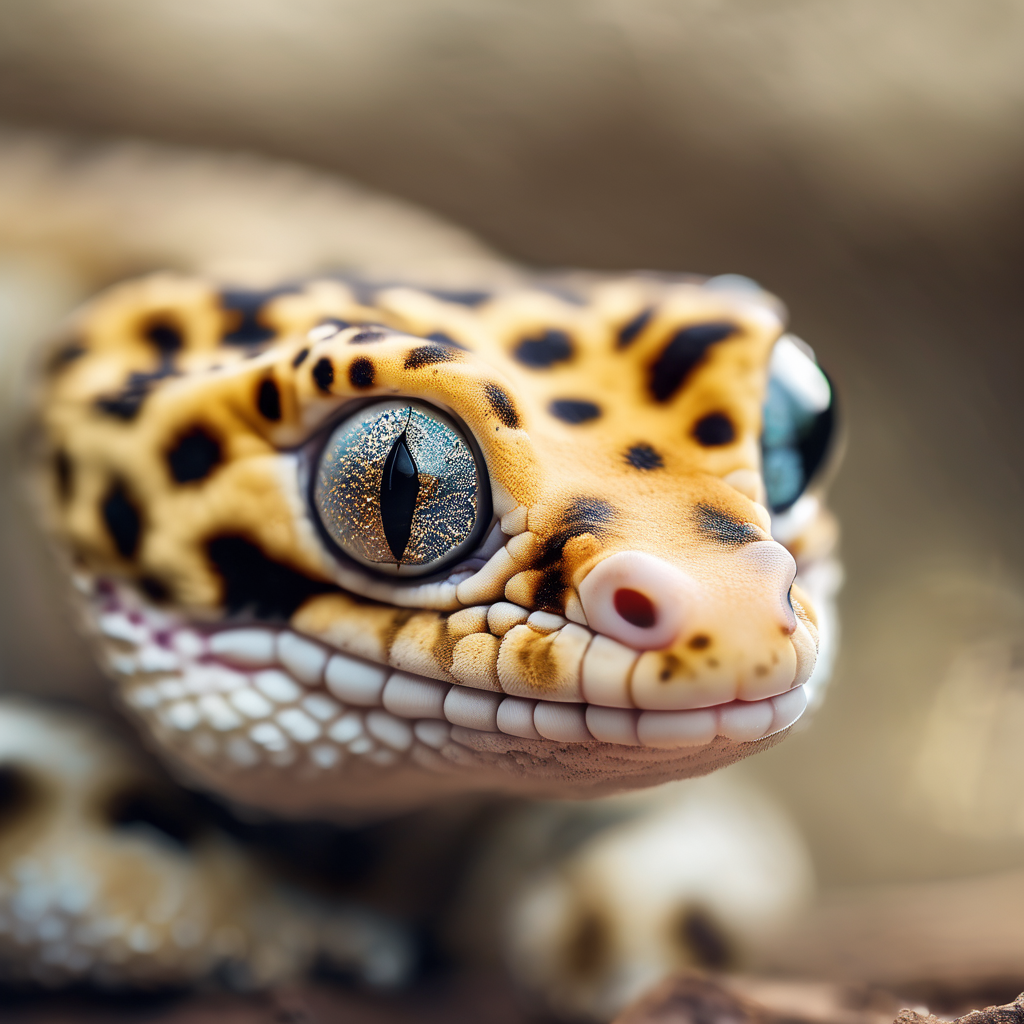
Retained Eye Caps in Reptiles: Causes, Safe Treatment, and When to See a Vet
A retained eye cap is almost always a humidity problem, and almost always preventable. This guide explains what spectacles are, how to tell retention from normal shedding, what to do at home, what never to touch, and when it becomes a veterinary job.
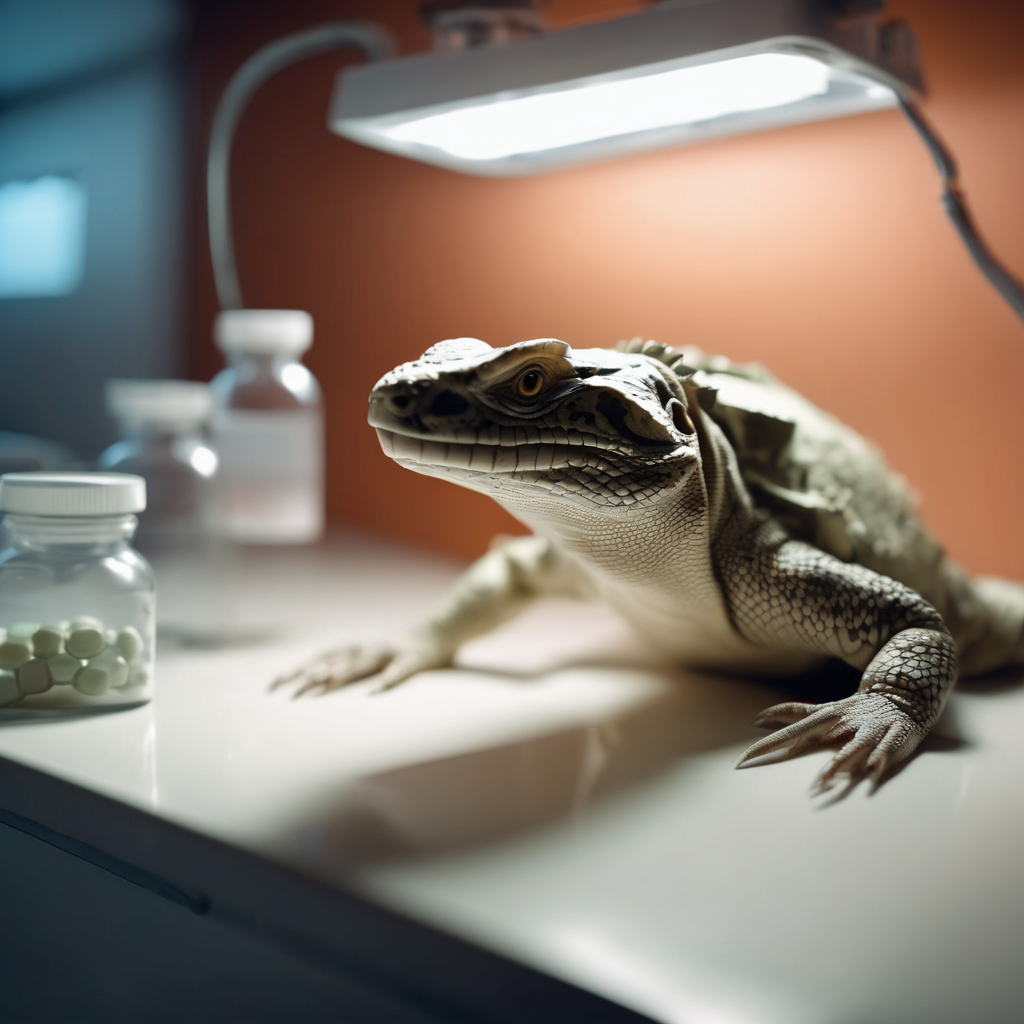
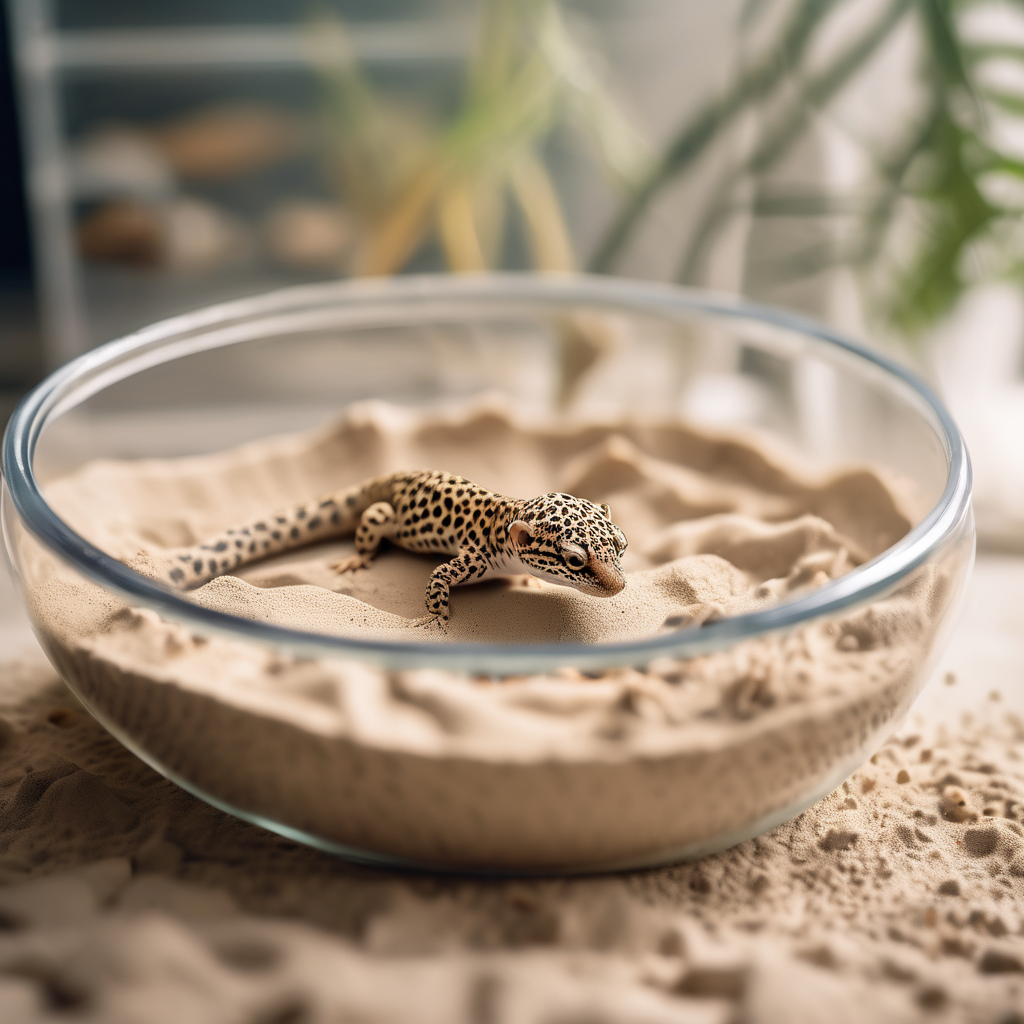
How to Set Up a Hospital Tank for a Sick Reptile: A Step-by-Step Guide
A hospital tank is the single most useful piece of equipment you can have ready before a reptile gets sick. This guide covers size, heat, substrate, what to leave out, cleaning, and how long to keep an animal in it.
How to Tell If Your Reptile Is Male or Female: A Practical Sexing Guide
Sexing a reptile correctly changes housing, breeding and vet decisions. This guide covers the safest methods by species — visual cues, probing, popping, femoral pores and behaviour — and the techniques you should never attempt at home.
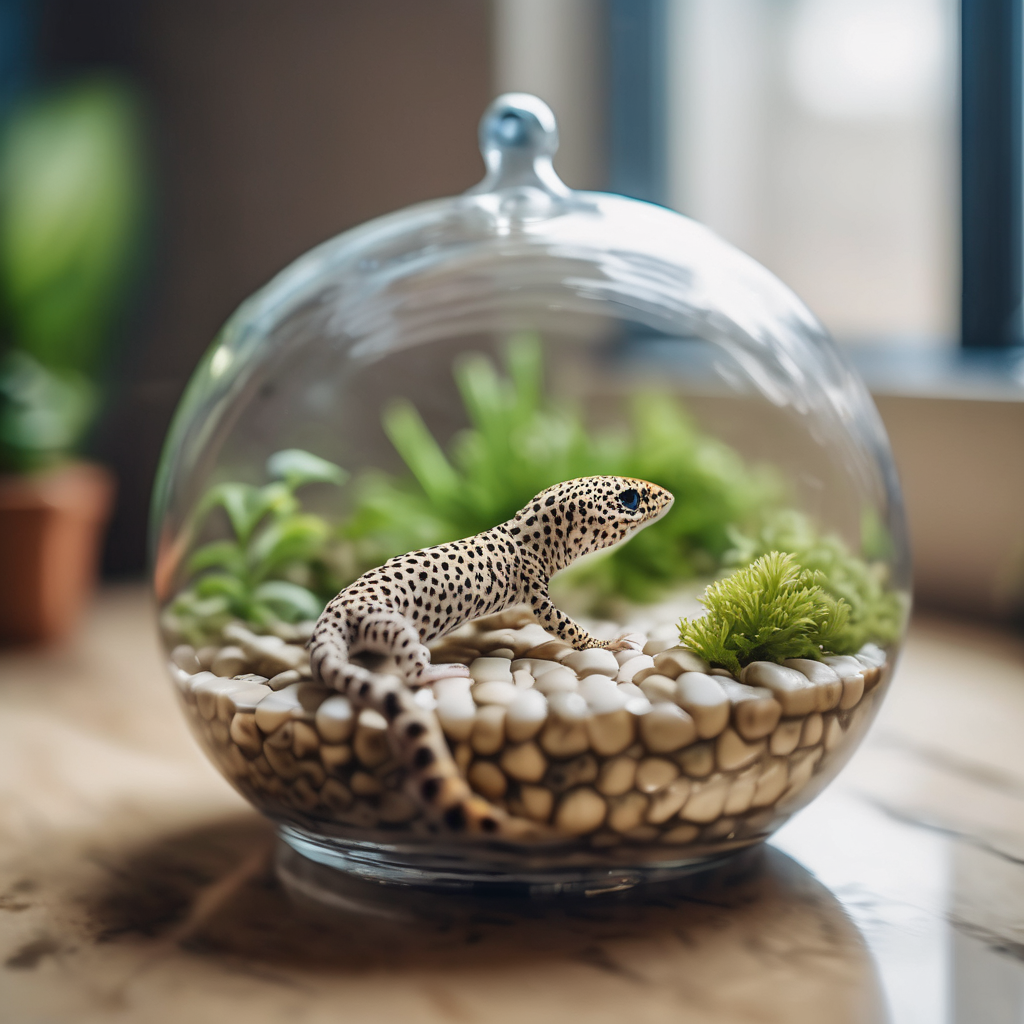
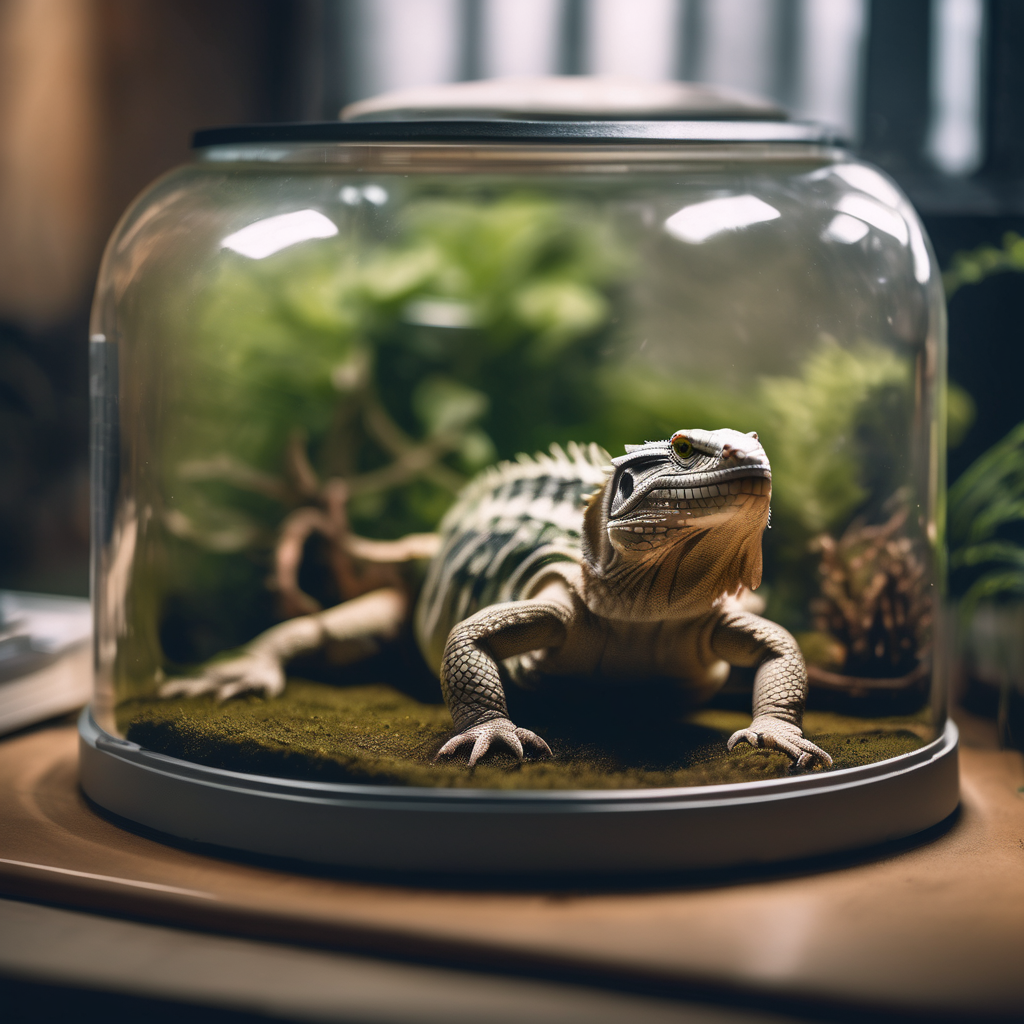
Safe Live Plants for a Reptile Terrarium: Best Species, Planting, and Upkeep
Live plants turn a terrarium into a habitat — but the wrong species can be toxic, and the right one can still die in the wrong light. This guide lists keeper-proven safe plants by enclosure type, explains which ones survive reptile heat and humidity, and gives a planting and maintenance routine that works.
Reptile Abscesses: Causes, Warning Signs, and Treatment
Reptile pus does not liquefy, which is why an abscess becomes a firm lump that cannot drain itself. Learn what causes them, how to tell a lump from everything else, and why live prey and loose substrate are behind nearly every case.
Internal Parasites in Reptiles: Signs, Fecal Testing, and Safe Deworming
Most reptiles carry some parasites, and most of them are not an emergency. Learn the signs that mean a real problem, why a fecal test beats guesswork, how dewormers actually work, and how to stop reinfestation.
Reptile Impaction: Causes, Warning Signs, and What to Do
Impaction is one of the most common and most preventable reptile emergencies. Learn what actually causes it, how to tell constipation from a blockage, the home care that helps, and the point where a vet is the only answer.
Neurological Signs in Reptiles: Tremors, Head Wobble, and Seizures Explained
Tremors, a wobbling head, stargazing or a full seizure in a reptile always mean something is wrong. Learn how to tell a harmless reflex from an emergency, the causes ranked by urgency, and what to do in the first hour.
Reptile Burns: Heat Mats, Heat Rocks, and How to Treat a Scorched Belly
Reptile burns are almost always caused by something we put in the tank. Learn how a scorched belly or a cooked foot happens, how to grade the injury, the first aid that helps, and the setup changes that stop it ever happening again.
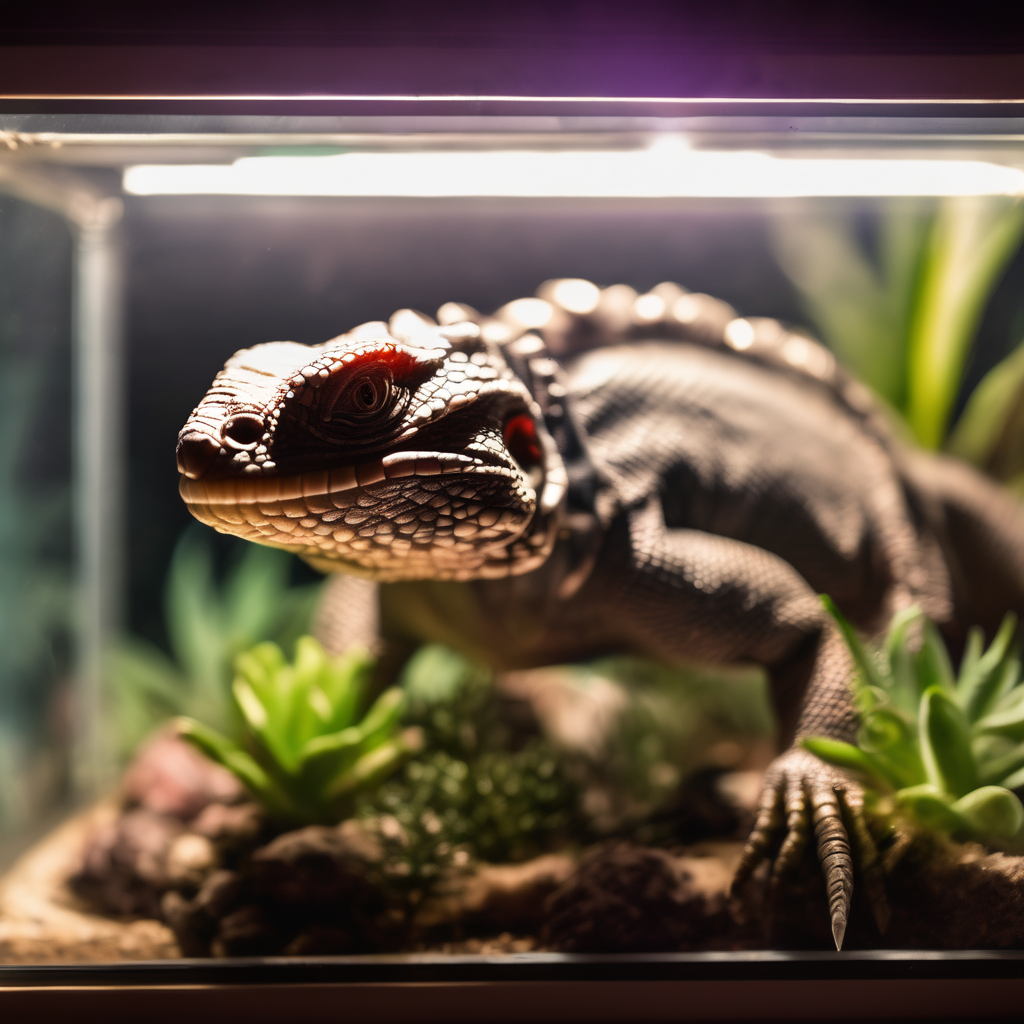
Heat Stroke and Overheating in Reptiles: Signs, First Aid, and Prevention
Reptiles cannot sweat or pant, so overheating kills fast and quietly. Learn the early signs of thermal stress, the first aid that works in the first ten minutes, and the enclosure fixes that prevent it happening at all.

Discover What’s New for Your Pet
Category: Reptiles
Reptile care guides for habitat setup, heating, UVB lighting, substrates, and feeding for bearded dragons, leopard geckos, ball pythons, turtles, and iguanas.