
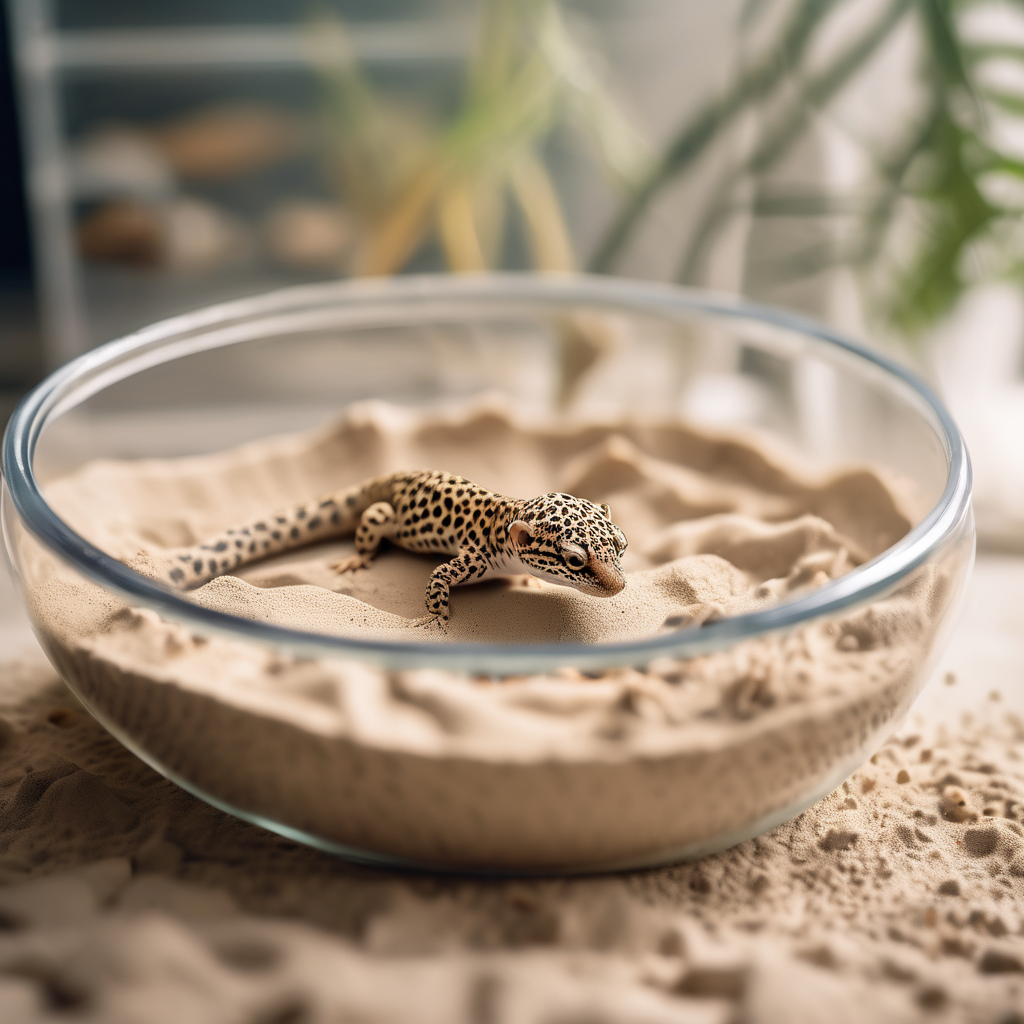
Neurological signs in reptiles are never normal, and they are never something to sleep on. A tremor, a head that will not hold still, a snake that stares upward at the ceiling, or a gecko that paddles on its back — all of these mean the nervous system is being disrupted, and the list of causes runs from “fixable in an hour” to “fatal without treatment”. The keeper’s job is not to diagnose. It is to recognise which end of that list they are looking at and act fast enough.
This guide covers the common presentations, ranks the causes by urgency, walks through first aid, and explains what a vet can and cannot do. It is written for lizards, snakes and chelonians — with particular attention to leopard geckos, where the genetic condition keepers call “neuro” is a genuine and growing welfare problem.
Quick answer: the signs that mean “act now”
- Full seizure — uncontrolled paddling, writhing, thrashing, loss of posture, sometimes with the tail curled up over the back (opisthotonos). Emergency.
- Stargazing — the head held persistently upward and backward, unable to level. This is a classic encephalitis presentation in snakes. Emergency.
- Inability to right itself, circling, or rolling repeatedly. Emergency.
- Tremors or shaking while the animal is warm and at rest. Same-day vet call. A cold reptile shivering to warm up is different — see below.
- Sudden head tilt (one side lower than the other), or a head that wobbles continuously while walking. Same-day vet call.
- Progressive weakness, dragging the rear legs, or a limp tail. Same-day vet call; often spinal.
The single most useful thing you can do before the vet visit is write down when it started, whether it is getting worse, what changed in the enclosure, and what it is being fed. Neurological cases live or die on that history.
First: is it actually neurological?
Several things look like neurological disease and are not. Ruling these out first saves an expensive, stressful vet visit — or tells you that you do need one.
Thermoregulatory shivering
A cold reptile may shiver or twitch as it tries to raise its body temperature. Check the enclosure temperature with a thermometer — see our guide on measuring temperature and humidity properly. If the warm side is below target and the twitching stops once the animal warms up, it was thermoregulation, not a neurological disease. Chronic under-heating is still a welfare problem and needs the setup fixed.
Startle and prey-response twitches
A fast head flick at a sudden movement, or a tail twitch, is normal. Healthy leopard geckos and crested geckos will often vibrate their tail as a warning. Normal reflexes are brief, purposeful and stop when the stimulus stops.
Normal hunting behaviour
Arboreal snakes such as emerald tree boas hang in an S-curve and can appear “stiff” at rest. This is posture, not pathology. It is symmetrical, deliberate and consistent day to day.
The distinguishing question: is it symmetric, purposeful, and stable? Asymmetric, involuntary and progressive means neurological.
The causes, ranked by urgency
Emergency: hypocalcaemia and metabolic bone disease
Calcium is what nerves need to fire and stop firing. A reptile with no dietary calcium and no D3 loses control of its muscles, and the result is tremors, twitching, a rubber jaw, spasms and eventually seizures. This is metabolic bone disease in its acute form, and it is an emergency — but it is also the most treatable item on this list.
- Who is at risk: juveniles of any species (they grow fast and demand calcium), and any animal on insects with no dusting or on vegetables with no calcium source. UVB deficiency makes it worse — see what UVB actually does.
- The signature: tremors plus a soft or rubbery jaw, kinked or bent limbs or tail, and often a history of crickets fed without calcium powder.
- Do not give an oral calcium supplement to a seizuring animal yourself — aspiration into the lungs is a real risk. Warmth, darkness, quiet, and a vet for injectable calcium.
Emergency: heat injury
Both ends of the thermal scale cause neurological signs. Overheating produces disorientation, loss of coordination and seizures — read Heat Stroke and Overheating in Reptiles. Prolonged severe cold causes progressive unresponsiveness and, eventually, coma. Measure the tank temperature immediately; if it is outside range, that is your answer and your fix.
Emergency: toxicity
- Insecticide or pesticide exposure — a bug spray used near the room, a wild-caught insect from a sprayed area, or a treated plant. Onset is usually rapid, with tremors and then seizures. Ventilate, remove the source, and go to the vet.
- Over-supplementation. Excess vitamin D3 causes hypercalcaemia, which produces lethargy, weakness and organ damage. More is not better with fat-soluble vitamins.
- Toxic substrate or fumes — cedar and pine shavings release aromatic compounds that irritate and, at high exposure, depress the nervous system. See our substrate safety guide. Non-stick pan fumes, paint, and cleaning aerosols in the same room are also on the list.
Urgent: infectious neurological disease
These are the ones keepers most fear, and they are the ones where a vet genuinely matters.
- Inclusion body disease (IBD, boa/python IBD). A retrovirus of boas and pythons. Signs: stargazing, disorientation, regurgitation, and secondary pneumonia. There is no cure and no vaccine. Diagnosis is by biopsy. It is transmissible to other snakes via mites and fluids, which is why an affected snake must be permanently isolated. This is a significant reason never to skip quarantine for a new snake.
- Sunshinevirus / ferlavirus. Affects snakes, especially pythons, with similar neurological and respiratory signs.
- Paramoebiasis. A protozoal cause of neurological disease in snakes and tortoises — head tilt, circling, incoordination, often with a history of wild-caught or outdoor-housed animals.
- Bacterial meningoencephalitis. Usually haematogenous spread from a wound, a mouth infection or septicaemia. Head tilt with a known infection elsewhere is the pattern. Broad-spectrum systemic antibiotics, early, can work.
- Toxoplasmosis and other protozoa. Rare but reported, and mostly in animals fed wild-caught prey.
Urgent: trauma
A fall, a cage-mate bite, a dropped enclosure lid, being stood on. Spinal injury presents as weakness or paralysis behind the lesion, sometimes with a limp tail and no deep pain response in the toes. Sudden-onset asymmetry after a known event is trauma until proven otherwise. Keep the animal still, do not attempt to splint, and go to the vet. Predation wounds and enclosure-related falls are preventable — an escape-proof enclosure reduces both.
Important and controversial: leopard gecko “neuro”
This deserves its own section because it is the single most common neurological presentation in the hobby today.
Some leopard geckos develop a constellation of signs: continuous head wobble or tilting, stargazing, circling, loss of balance, and sometimes seizures. The condition is heritable — it runs strongly in certain morph bloodlines (notably enigma, and heavily line-bred and combo-morph animals), and affected animals should never be bred. It is not contagious and it is not caused by poor care, though poor care can worsen an affected animal.
- It is usually progressive. Some wobble mildly for years; others decline into seizures.
- There is no cure. Treatment is supportive: correct temperatures, correct calcium and D3, low-stress housing, and anticonvulsant medication prescribed by a vet for severe cases.
- An affected animal can have a good quality of life with adaptation: floor-level housing instead of tall tanks, no climbing decor that can lead to falls, food and water placed where they can reach it, and a stable environment.
- Ask the breeder directly. A responsible breeder will tell you if there is neuro in a line. “Never bred, no known issues” from an anonymous seller is not the same thing.
If you own a gecko that is wobbling, get a vet to rule out the treatable causes first — hypocalcaemia, toxicity, infection and trauma can all look like genetic neuro, and all of those are treatable. Do not accept “it’s just neuro” without that workup.
Important: hepatic and renal encephalopathy
Severe organ failure produces neurological signs as toxins accumulate — lethargy, tremors, weakness, sometimes seizures. Older animals with a history of chronic illness are the typical patients. Bloodwork is the only way to see it, and by the time neurological signs appear the prognosis is poor. This is a reason not to ignore chronic weight loss or long-standing illness in an aging reptile.
Do not overlook: parasites and nutritional deficiency
Heavy internal parasite burdens cause weakness and wasting that can look like neurological disease. A reptile with tremors and a history of wild-caught prey, or a new animal with no faecal check, deserves a faecal examination as part of the workup. Combined calcium and B-vitamin deficiency also produces neuromuscular signs in insectivores.
First aid: the first hour
If the animal is seizuring
- Do not handle it more than necessary. Handling during a seizure risks injury to the animal and a bite to you. Reptiles do not swallow their tongue, but they do have no control of their jaws during a seizure.
- Reduce stimulation. Turn off bright lights, close the room door, stop music, remove other pets from the area. Do not put the animal in water.
- Time it. Most seizures last under a minute. A seizure lasting more than 2–3 minutes, or repeated seizures without recovery in between, is an immediate emergency.
- Remove hazards — rocks it could strike, deep water it could drown in, a climbing branch it could fall from. A bare hospital tub with paper towel is the right place.
- Get to an exotic vet. Bring the enclosure temperature reading, the feeding and supplement history, and a video of the episode. The video is often the most valuable thing you can bring.
If it is tremors without seizures
- Measure temperature. Correct any thermal error first and wait 30–60 minutes. If the tremors stop, it was thermal.
- Review the last 48 hours for any new supplement, new food item, cleaning product, or exposure to spray.
- Check for any injury — look carefully at the limbs, jaw and spine, and check whether the animal flinches when you touch each toe.
- If the tremors persist for more than a few hours, or the animal is not eating, see a vet the same day.
What not to do
- Do not force-feed or give oral calcium or medication to an animal that is not fully conscious. Aspiration pneumonia is a common iatrogenic death in these cases.
- Do not put the animal in the fridge, in a bath, or under running water.
- Do not give human anti-seizure medication, painkillers or sedatives. Reptile dosing is not a fraction of human dosing, and many of these drugs are lethal at reptile-appropriate volumes.
- Do not wait a week to “see if it improves”. Progressive neurological disease does not self-resolve.
What the vet will do
- Full physical and neurological examination — testing righting response, pupil response, deep pain in each limb, and cranial nerve reflexes.
- Bloodwork — total calcium and ionised calcium, phosphorus, and a panel to assess liver and kidney function. Ionised calcium is the important one; total calcium alone misses it.
- Injectable calcium and fluids if hypocalcaemia is confirmed, with oral supplementation afterwards.
- Faecal examination and, where indicated, radiographs for metabolic bone disease, injury, or organ enlargement.
- Advanced imaging — CT or MRI for trauma, spinal lesions or suspected encephalitis. Referral is often needed; ask your vet to help you plan it.
- Biopsy if IBD is suspected in a boa or python. This is a surgical procedure with real risk, and it is a genuine decision point — discuss it with a vet who sees reptiles regularly.
- Supportive care — assisted feeding, fluid therapy, and, in selected cases, anticonvulsants or anti-inflammatories.
Prepare for the visit with our reptile vet transport guide, and if you do not have an exotic vet yet, read how to choose the right one before you need one in an emergency.
Preventing the treatable causes
- Dust every insect meal with a calcium supplement containing vitamin D3, and use a plain calcium supplement on the alternating feeds. Juveniles need this at every meal.
- Provide appropriate UVB for diurnal species (bearded dragons, most turtles, many skinks) so the animal can synthesise its own D3. Nocturnal species still need dietary D3.
- Verify temperatures and gradients with a real thermometer and a thermostat on every heat source — see why every tank needs a thermostat.
- Use safe substrate and avoid aromatic woods and loose particulate for species that mouth their bedding. Impaction and toxicity both start here.
- Quarantine every new arrival for 60–90 days, separately ventilated, with no shared tools. This is the single best protection against introducing a viral or protozoal disease into an existing collection.
- Never buy an animal with known neuro in the line, and never breed an animal that shows neurological signs. Ask the breeder for lineage information in writing.
- Keep cleaning products, aerosols and insecticides out of the reptile room, and never feed wild-caught insects from treated areas.
Do not confuse neurological signs with these
- Stuck shed or a retained spectacle. A snake with a retained eye cap may hold its head oddly while rubbing. Check the shed quality — poor humidity is the usual cause, and the fix is a humidity correction, not a neurological workup.
- Stomatitis (mouth rot). An animal with a painful mouth may hold its head at an odd angle, and a severe case can become systemic. Look for caseous (cheesy) material in the mouth — we cover it in our reptile health guides.
- Egg binding. A straining female may be weak, unable to right herself, and tremble. Check for the pattern in Egg Binding in Reptiles — this is a different emergency with a different clock.
- Severe dehydration. Sunken eyes, wrinkled skin and weakness can accompany tremor. Read how to recognise dehydration.
- A burn that has gone systemic. A reptile with a healing burn that becomes weak, trembles or cannot right itself may be septic. Review the wound and treat the infection.
Prognosis: an honest picture
- Hypocalcaemia without bone deformity: good, if treated early. Injectable calcium plus corrected husbandry usually resolves the tremors within hours to days.
- Thermal or toxic injury: good if the exposure is stopped early; poor if the exposure was prolonged.
- Trauma: depends entirely on the lesion. Some spinal injuries recover substantially over weeks; complete transection does not.
- Bacterial encephalitis: guarded. Early systemic antibiotics can work, but diagnosis is often late.
- IBD in a boa or python: poor. Incurable, progressive, and a biosecurity risk to other snakes.
- Genetic leopard gecko neuro: progressive, manageable, not curable. Quality of life with supportive care can be good for a long time.
- Organ failure: poor once neurological signs appear.
Checklist: what to gather before the vet visit
- ☐ A video of the episode — ideally more than one, from different angles.
- ☐ Photographs of the animal now, plus any asymmetry.
- ☐ Current warm-side and cool-side temperatures, measured not estimated.
- ☐ A list of every food item fed in the last month, and exactly how it was supplemented.
- ☐ The brand and strength of every supplement in use.
- ☐ Any new product, plant, cleaning agent or chemical introduced to the room.
- ☐ When the animal last ate, defecated and shed normally.
- ☐ Whether other animals share the room, and whether any of them show signs.
- ☐ When the signs started and whether they are getting better, worse, or stable.
Frequently asked questions
Why does my leopard gecko shake its tail?
A slow, deliberate tail vibration or buzz is normal defensive and hunting behaviour in leopard geckos and crested geckos. What is not normal is an involuntary tremor, especially in the limbs, or a head that cannot hold steady while walking. If you can see the movement clearly and the animal is alert and symmetrical otherwise, it is probably behavioural. If it is rhythmic, continuous and the animal is not in control of it, get it checked.
My gecko wobbles its head constantly but seems happy. Is that serious?
It is serious in the sense that it needs a vet visit, even if the animal looks well. Continuous head wobble in a leopard gecko is the classic presentation of genetic neuro, but hypocalcaemia, toxicity and infection look the same in the early stages. A workup for the treatable causes is worth doing before you accept the genetic label — and if it is genetic, you will know not to breed the animal and how to adapt its enclosure.
Can reptiles have seizures from stress alone?
Not usually as a primary cause. Stress lowers immune function and appetite and can precipitate a seizure in an animal that is already hypocalcaemic or otherwise compromised, but it is not a diagnosis on its own. Look for the underlying trigger — and see our guides on seasonal changes, which are a common source of avoidable environmental stress.
My snake keeps staring up at the ceiling. Is that stargazing?
Only if the head is held persistently upward and backward and the animal cannot level it, especially if it is accompanied by disorientation or abnormal movement. Arboreal snakes hold an elevated posture naturally — that is symmetrical and purposeful. True stargazing in a boa or python is an emergency and needs an exotic vet immediately.
Should I put a seizuring reptile in the fridge to slow things down?
No. Rapid cooling of a seizuring reptile is harmful and can depress the animal further. Reduce stimulation, keep it safe from injury, time the seizure, and transport it to a vet in a warm, dark, secure box.
Is neurological disease contagious to my other reptiles?
It depends entirely on the cause. Hypocalcaemia, toxicity, trauma and genetic neuro are not contagious. IBD, sunshinevirus and paramoebiasis are. Until you know which one you are dealing with, treat it as potentially contagious: separate enclosure, separate tools, wash hands between animals, and no shared water or food items. Quarantine discipline protects the whole collection.
The bottom line
Tremors, head wobble, stargazing and seizures all mean the nervous system is being disrupted, and the causes that are fixable — low calcium, bad temperatures, toxins, infection caught early — are the ones that respond only if you move quickly. Measure the temperature, remove any toxin, get a video, and get to an exotic vet the same day. Then fix the underlying husbandry, because most of these cases are husbandry cases wearing a neurological mask.
This guide is educational and does not replace veterinary advice. Seizures, stargazing and inability to right itself are emergencies — contact a qualified reptile veterinarian immediately.
Leave a Reply