
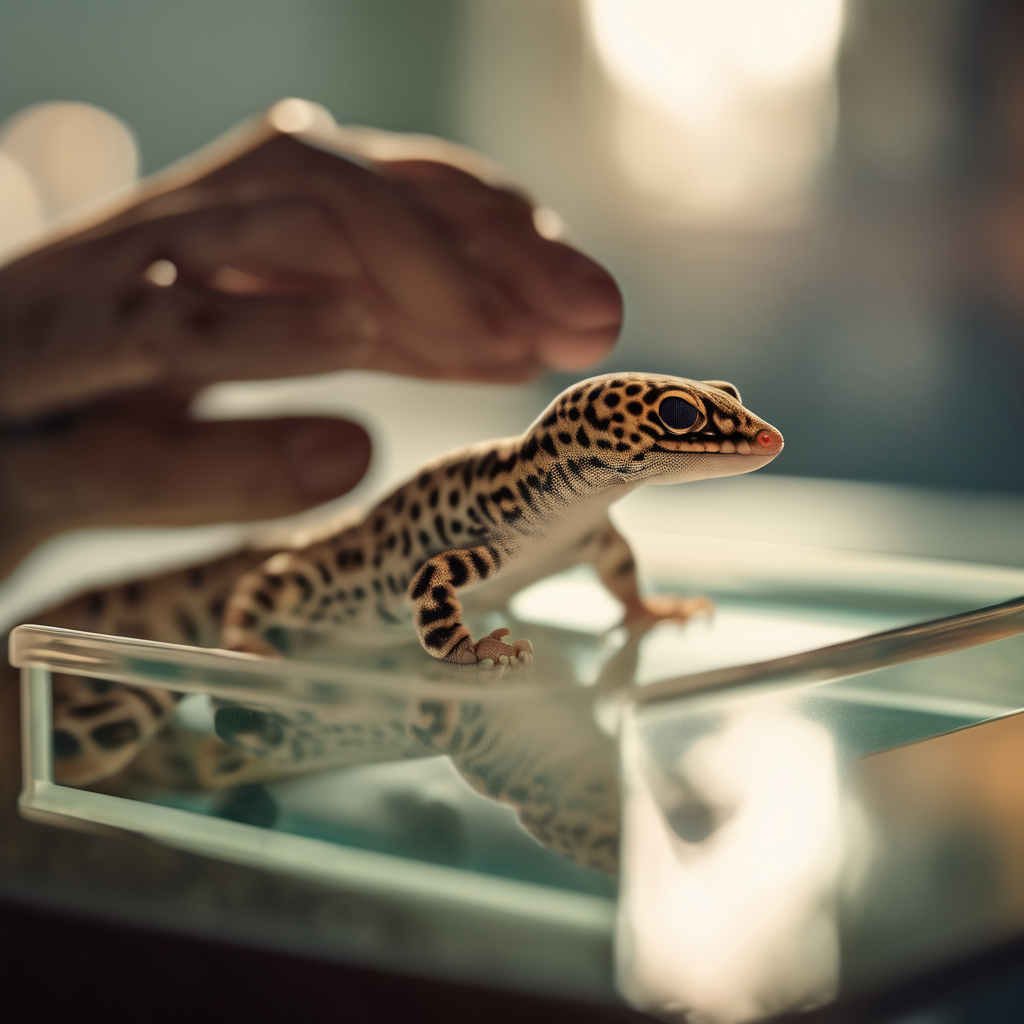
Every reptile keeper eventually asks the same question: is this a boy or a girl? Sometimes it matters a lot — you cannot house two males together, you cannot breed a pair that turns out to be two females, and a female that becomes egg-bound needs a vet you found in advance. Sometimes it matters less and the answer is simply nice to know.
Sexing is easy in some species and genuinely difficult in others. Bearded dragons show obvious differences. Crested geckos are harder. Most snakes and turtles require a technique that can injure the animal if done badly. This guide walks through what works, species by species, and flags the methods that belong strictly in an experienced keeper’s or a vet’s hands.
Why knowing the sex matters
Before the how, the why. Accurate sexing changes four practical decisions:
- Housing. Male leopard geckos housed together will fight, sometimes fatally. Two males in one tank means one needs rehoming.
- Breeding. You cannot plan a pairing if you do not know what you have. Buying “a pair” from a pet store is a coin flip.
- Health risks. Females can become egg-bound even without a male, and dystocia is a genuine emergency. Males can suffer hemipene plugs and prolapses.
- Naming. Yes, really. Renaming a tortoise is embarrassing for everyone involved.
For a broader view of choosing the right species in the first place, our Small Pet Reptiles: The Complete Species Guide covers the species people most often mis-sex.
The four ways reptiles are sexed
Almost every sexing method falls into one of four categories. Understanding which one applies to your animal tells you how confident you can be in the answer.
1. Sexual dimorphism (visual differences)
The safest and easiest method: males and females simply look different. Size, colour, head shape, spine along the tail, or the presence of visible pores. No touching required beyond a normal visual check. Whenever dimorphism exists in a species, use it first.
2. Secondary sex characteristics you can feel
Femoral and preanal pores, bulges at the base of the tail, or the shape of the hemipene bulges visible through the tail base in young snakes. These need gentle handling but no insertion of anything.
3. Probing
Inserting a blunt, lubricated probe into the hemipene pocket (males) or the scent-gland pocket (females), which is much shallower. This is the standard method for snakes and many lizards. Done correctly it is painless; done incorrectly it can cause serious injury.
4. Popping
Gentle thumb pressure behind the hemipenes to evert them in very young snakes and lizards. Popular with breeders of very young animals because probing a juvenile is riskier. Still a technique that can injure.
Sexing lizards
Bearded dragons
The easiest common pet lizard to sex visually. Males have a larger, darker beard, a noticeably wider head, and — most reliably — prominent femoral pores on the underside of the hind legs. These look like a row of small dark dots running along the inner thigh. Male pores are large, raised and obvious; female pores are faint or absent. Males also often have a thicker tail base.
Adult males may show a black beard during displays, and the hemipene bulges are visible as two distinct swellings under the tail base when you lift the tail gently. See our bearded dragon vs leopard gecko comparison if you are still deciding between them.
Leopard geckos
Reliable once the animal is roughly 4–6 months old. Look from below at the tail base:
- Males have a solid V-shaped row of femoral pores and a distinctly wider, heavier tail base with two visible hemipene bulges.
- Females have almost no pores, a narrow tail base, and no bulges.
Leopard geckos are temperature-dependent sexed during incubation, so breeders with controlled clutches often already know. Our leopard gecko setup guide covers incubation temperatures if you are breeding.
Crested geckos
Harder. Males develop visible hemipene bulges at around 15–18 months and weigh slightly more as adults (typically 40–50 g versus 30–40 g). Under the tail, males have a small swelling either side of the vent; females are flat. Juveniles should be sold as “unsexed” or “probable male” by any honest breeder — a crestie sold as a definite female at three months old is a guess.
Anoles, skinks and other small lizards
Green anoles show the clearest wild dimorphism of any common pet lizard: males have a large pink dewlap and a dorsal crest. Skinks are usually sexed by head width and overall body size, with males being stockier. Small lizards are generally not good candidates for probing at home.
Sexing snakes
Snakes have no external genitalia. Two methods exist, and both carry risk.
Probing (the standard method)
A snake keeper lubricates a blunt stainless-steel probe and slides it gently downward into the vent. In a male it enters one hemipene, which inverts into the tail, and slides several subcaudal scales deep. In a female it drops only a short way into a much smaller scent-gland pocket.
The depth is measured in subcaudal scale widths, not centimetres, because that makes it species-independent. Typically males probe 7–15 scales deep; females 2–4.
What can go wrong: forcing a probe can rupture the hemipene, cause internal bleeding, or damage the cloaca. A struggling snake under pressure is exactly the situation where mistakes happen. If you have never probed a snake, do not start on your own animal — ask a reptile vet or an experienced keeper to show you once.
Popping (for juveniles)
Rolling thumb pressure behind the vent everts the hemipenes in very young snakes. It is used because probing a hatchling risks more than popping does. It is also the technique most likely to injure when done by an inexperienced hand, because hemipenes in juveniles are delicate. Learn it in person.
Tail shape as a rough guide
Male snakes of many species — ball pythons, boas, kingsnakes — have longer, thicker tails that taper gradually from a wide base. Female tails are shorter, thinner and drop off more abruptly. This is a strong hint, not proof, and it fails on well-fed females and thin males. Combine it with probing before making any housing decision. Our ball python setup guide has photos showing the difference.
Spurs
Boas and pythons have vestigial claw-like spurs either side of the vent. Males’ spurs are longer and more prominent. Useful as supporting evidence, never as a sole method.
Sexing turtles and tortoises
Usually straightforward once mature:
- Males have a longer, thicker tail, with the vent positioned further from the shell edge (beyond the rim). Front claws are long and curved, used to grip the female during mating.
- Females have a short, stubby tail and the vent sits close to the shell. The plastron is flatter; in males it is often slightly concave to help them mount.
Hatchling turtles are effectively impossible to sex by eye — incubation temperature is what determines it in most species, so a breeder who incubated at a known temperature often knows. See our Russian tortoise guide for species-specific detail.
Sexing amphibians
Axolotls are the classic trap: males are slimmer, females rounder and fuller-bodied when gravid. Calling a fat axolotl female is a common error — the reliable cue is the swollen cloaca in breeding-condition males. Dart frogs are nearly impossible to sex visually and are usually separated by calling behaviour instead: males call, females do not. If you hear singing from a tank of four “females”, at least one is male.
Our salamander care guide and safe amphibian handling guide cover the restraint you need for a careful check.
Sexing invertebrates
Tarantulas and scorpions are the hardest of all, because mature males and females look nearly identical until the male’s final moult. Adult male tarantulas develop tibial hooks on the front legs and a much slimmer abdomen; females keep a heavy abdomen. Scorpion males have longer pectines (the comb-like sensory organs underneath) and a narrower body. In both cases you need a mature animal, which means knowing its moult history. Guessing a spiderling’s sex is guesswork. Our scorpion breeding guide explains how to confirm a pair.
What NOT to do
These are the mistakes that send reptiles to an emergency vet:
- Never probe a snake you cannot restrain safely. A probe that slips while the snake twists can do real damage. If the animal is struggling, stop.
- Never force a probe. It should slide with gentle pressure only. Resistance means you are in the wrong place.
- Never pop a juvenile with dry hands or too much force. Torn hemipenes bleed significantly.
- Do not guess to sell or house animals together. “Probably a male” is not a basis for putting two lizards in one tank.
- Do not rely on behaviour alone. Dominant behaviour, mounting, and fighting can occur between females or as pure territoriality.
Related reading: how to take a reptile to the vet and how to choose an exotic vet.
When to just ask a professional
Pay an experienced keeper or a reptile vet if any of these apply: it is a snake, it is a juvenile, the species has no visual dimorphism, or a wrong answer means two animals share a tank. A ten-minute appointment costs less than a vet visit for a bite wound or a lost animal. If you are housing decisions based on the answer, professional certainty is worth the money.
Behavioural clues worth noting
Behaviour supports a visual ID but never replaces it:
- Males often pace the enclosure, particularly along the front glass, and may show off colour during breeding season.
- Females may dig test holes, become restless before ovulation, and eat more in the weeks before laying.
- Both sexes can be territorial, so fighting between “two males” is not proof of anything.
- Gravid females develop a visible mid-body bulge and may become clumsy or unwilling to bask.
If you think a female may be carrying eggs, our egg binding guide lists the signs that need same-day veterinary attention.
Warning signs that mean see a vet now
Seek veterinary care immediately if you notice:
- Bleeding from the vent or tail after a probing or popping attempt
- A prolapsed hemipene or cloacal tissue hanging from the vent
- Swelling, redness or discharge at the tail base
- A female that strains, paces or is lethargic with a visible mid-body bulge — possible egg binding
- Any animal that was dropped, squeezed or stepped on during a handling attempt and then hides, gapes or refuses food
General baseline reference: reptile emergency warning signs.
Frequently asked questions
Can I sex a reptile by its size alone?
No. Size depends on age, feeding and genetics. A well-fed female often outweighs a male of the same clutch. Use size only as weak supporting evidence alongside pores, bulges or tail shape.
At what age can a leopard gecko be reliably sexed?
Around four to six months, when femoral pores and hemipene bulges become visible. Before that, even experienced breeders say “probable”.
Is probing painful for a snake?
Done correctly by someone experienced, it is not painful — the pocket is a natural cavity. Done forcefully or at the wrong angle, it can tear tissue. That is why beginners should not practise on their own animal.
My two geckos were sold as a pair. One lays infertile eggs. What happened?
Very common. Females produce infertile clutches without a male, so eggs alone do not confirm a male is present. Sex both animals properly, or have a keeper check them.
Does sexing change how I should set up the enclosure?
Not the climate, but it changes the layout. Males of territorial species need visual barriers and more floor space; gravid females need a lay box with suitable substrate. Our terrarium equipment guide covers both.
Can a vet sex my reptile?
Yes, and it is the safest route for snakes, juveniles and any species without clear dimorphism. Reptile vets probe routinely and can also scan for eggs or follicles.
Can I use sexing to avoid aggression between my lizards?
Partly. Knowing you have two males explains the fighting, but the fix is still separate housing. Never try to solve aggression by adding more space and hoping.
Quick reference: easiest to hardest species to sex
| Species | Method | Difficulty |
|---|---|---|
| Bearded dragon | Femoral pores, head width | Easy |
| Leopard gecko | Pores, tail base bulges | Easy (once 4–6 months) |
| Crested gecko | Hemipene bulges, weight | Moderate |
| Adult turtle/tortoise | Tail length, vent position, claws | Easy |
| Ball python | Probing | Experienced keeper |
| Any hatchling snake | Popping | Breeder only |
| Dart frog | Calling behaviour | Hard |
| Tarantula | Tibial hooks (adult male only) | Very hard |
Checklist before you make a housing or breeding decision
- ☐ I identified the species and checked whether it has documented visual dimorphism
- ☐ I used visual cues first (pores, bulges, tail shape, spurs, claws)
- ☐ The animal is old enough for those cues to be reliable
- ☐ I did not probe or pop anything myself unless trained
- ☐ Behaviour was treated as supporting evidence only
- ☐ If the answer is uncertain, the animals are housed separately until confirmed
- ☐ I have an exotic vet’s contact saved before any risky attempt
- ☐ I recorded the date and method of the ID in my animal log
The bottom line
Sexing well is mostly about knowing the limits of each method. Visual dimorphism is free and safe — use it whenever it exists. Probing and popping work, but they are learned skills with real downside risk, so they belong to experienced hands. And when a wrong answer means two males in one tank or an unplanned breeding, the ten-minute professional check is always the cheaper option.
Pair this with proper quarantine practice and the first 30 days with a new reptile so any new arrival is handled safely from day one.
Leave a Reply