
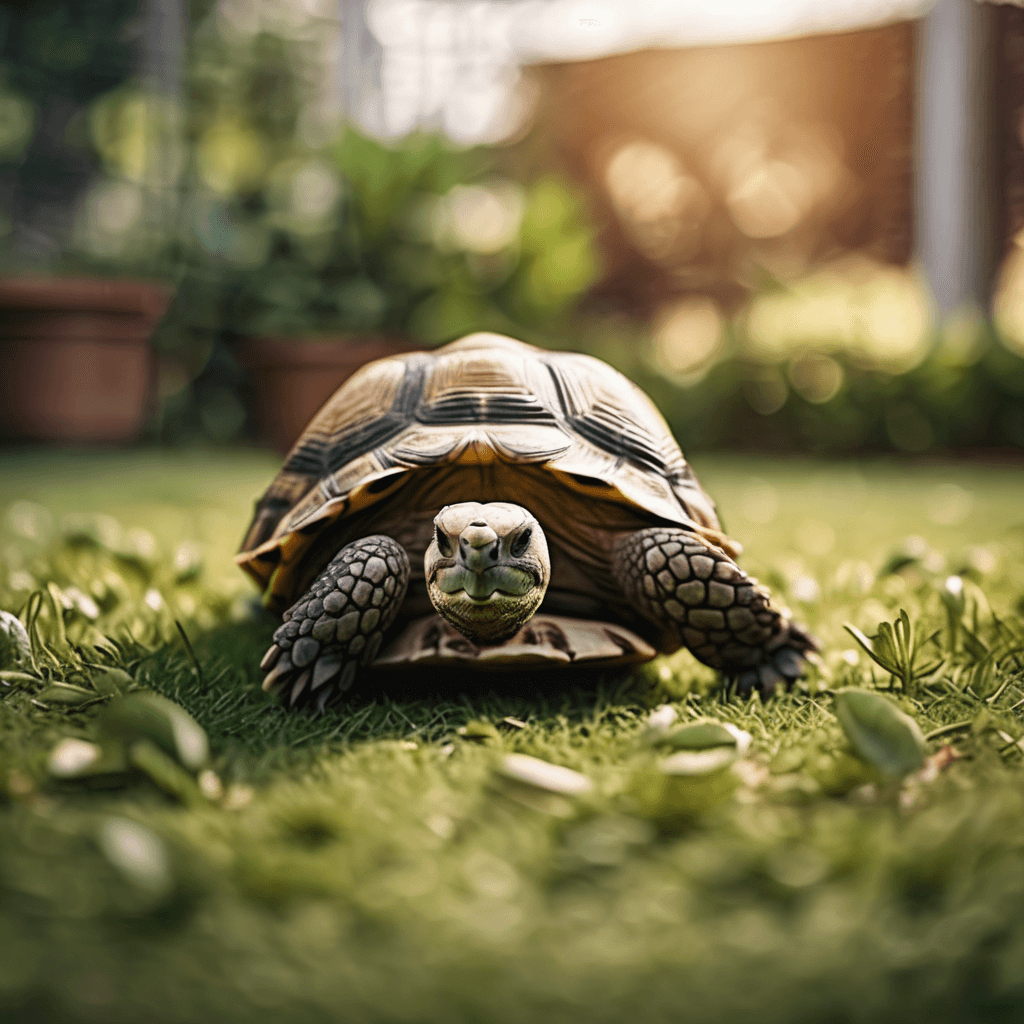
Russian tortoises are the hardiest small tortoise — four to six inches, active grazers, and tolerant of the beginner mistakes that kill more sensitive species. They are also a fifty-year commitment, and the outdoor enclosure they thrive in is the requirement that most indoor setups fail to provide.
This guide covers the complete care. Part of the small pet reptiles guide series.
The Species
- Size: four to six inches as adults — the smaller of the common pet tortoises.
- Lifespan: forty to fifty years — the commitment that outlasts most owners’ plans.
- Activity: diurnal — grazers that spend the day eating and basking.
- Temperament: hardy and tolerant, and they tolerate handling more than most reptiles.
- Hibernation: they brumate in winter, and the cycle is part of the natural care.
The Outdoor Enclosure
The requirement that defines tortoise keeping:
- An outdoor pen in warm weather — the natural sunlight and the grazing space are the ideal, and the tortoise thrives outdoors more than any other common pet reptile.
- A secure perimeter — they dig and climb, and the buried barrier or smooth walls prevent the escape.
- Shade and a shelter — the temperature gradient outdoors, and the retreat from the sun.
- Weeds and grasses — the natural diet, and the edible plantings are the grazing ground.
- Predator protection — the wire top against birds, dogs, and raccoons. The outdoor tortoise is prey, and the protection is not optional.
- Supervision — even in the enclosure, and the outdoor time is the enrichment.
The outdoor pen is the ideal, and the indoor tortoise misses the natural sunlight — though a well-lit indoor enclosure works with effort.
The Indoor Enclosure
- Large and long — minimum four feet by two feet for an adult, and larger is better. The floor space is the grazing territory.
- Substrate: a soil-sand mix or coconut coir — deep enough for digging, and the substrate is the burrowing medium.
- UVB bulb spanning the enclosure — the 10.0 or 12.0 for tortoises, replaced every 6 to 12 months. The natural light is better, and the indoor UVB is the substitute.
- A basking spot at 95 to 100 degrees — measured at the surface, and the gradient to the cool side at 75 to 80.
- A shallow water dish — for drinking and soaking, and the shallow prevents drowning.
- Hides at both ends — the warm and cool retreat.
The Diet: The Grazer
- Grasses and weeds as the staple — dandelion, clover, plantain, hibiscus, and mulberry leaves. The variety is the nutrition, and the weeds are the ideal food.
- Hay — timothy hay as the base, and the grazing substitute.
- No fruit — the sugar disrupts the gut flora, and the fruit is the common indoor mistake. The wild diet is grass, not fruit.
- No iceberg lettuce — no nutrition, and the filler that crowds out the real food.
- Calcium supplementation — lightly dusted, and the indoor tortoise needs it more than the outdoor one.
- Feed daily — they graze continuously, and the food stays available.
The fruit is the mistake that kills indoor tortoises — the keepers feed the strawberries and the melon, and the gut problems follow. The grass and weed diet is the standard, and the hay is the substitute.
The Hibernation (Brumation)
- They brumate in winter — the natural dormancy, and the healthy tortoise slows down for two to four months.
- The preparation: the vet check first — only healthy tortoises hibernate, and the sick ones die.
- The process: gradual cooling, then a dark enclosure at 40 to 50 degrees, with no food and minimal disturbance.
- The weight loss: they lose some weight, and the excessive loss is the abort signal.
- The awakening: gradual warming, and the food resumes after the temperature stabilizes.
- The indoor tortoise may skip it — the constant indoor temperature sometimes suppresses the cycle, and the absence is acceptable.
The brumation is natural and debated — the indoor tortoise with stable temperatures often lives fine without it, and the hibernation is the wild cycle. The vet check before any hibernation is the rule.
The Handling
- Support the shell from below — never grab the shell, and the plastron is sensitive.
- Slow and low — they are slow animals, and the fast handling stresses them.
- Short sessions — the handling time grows with acclimation.
- Hand washing after — salmonella is real with all reptiles.
Health Monitoring
- Metabolic bone disease: from missing UVB or calcium — the pyramiding shell, the rubber jaw, and the prevention is the UVB and the supplementation.
- Pyramiding: the raised scutes from too-fast growth and low humidity — the slow growth and the humidity are the factors.
- Respiratory infection: from cold or wet — the gaping and the mucus are the signs.
- Refusing food: temperature, or the brumation cycle approaching — check the environment first.
- Obesity: the indoor tortoise without grazing space overeats, and the obesity strains the organs.
Frequently Asked Questions
Are Russian tortoises good for beginners?
They are hardy, and the requirements are manageable — but the fifty-year lifespan and the outdoor preference make them a significant commitment. The enclosure, the UVB, and the grass diet are the core requirements.
Do Russian tortoises need to hibernate?
Not necessarily — indoor tortoises with stable temperatures often live fine without brumation. If hibernating, a vet check first, and only healthy tortoises. The debate continues, and the vet is the reference.
Can Russian tortoises eat fruit?
No — the sugar disrupts the gut flora, and the wild diet is grass and weeds. The fruit is the most common indoor mistake, and it produces the gut problems that kill. Hay, grasses, and leafy weeds only.
How long do Russian tortoises live?
Forty to fifty years with proper care — they outlive most ownership plans, and the rehoming arrangements should be part of the decision before purchase.
The Bottom Line
An outdoor pen in warm weather is the ideal — the natural sunlight, the grazing space, and the predator protection. Indoors, a four-foot-by-two-foot enclosure with UVB, a basking spot at 95 to 100, and a shallow water dish. The diet is grasses, weeds, and hay — dandelion, clover, plantain — never fruit, and the fruit is the mistake that kills. Calcium lightly dusted. Brumation is optional indoors, and the vet check precedes any hibernation. The pyramiding shell and the rubber jaw come from missing UVB and calcium, and the supplementation is the prevention. The Russian tortoise is the hardy small tortoise, and the fifty-year commitment is the real requirement.
Leave a Reply