
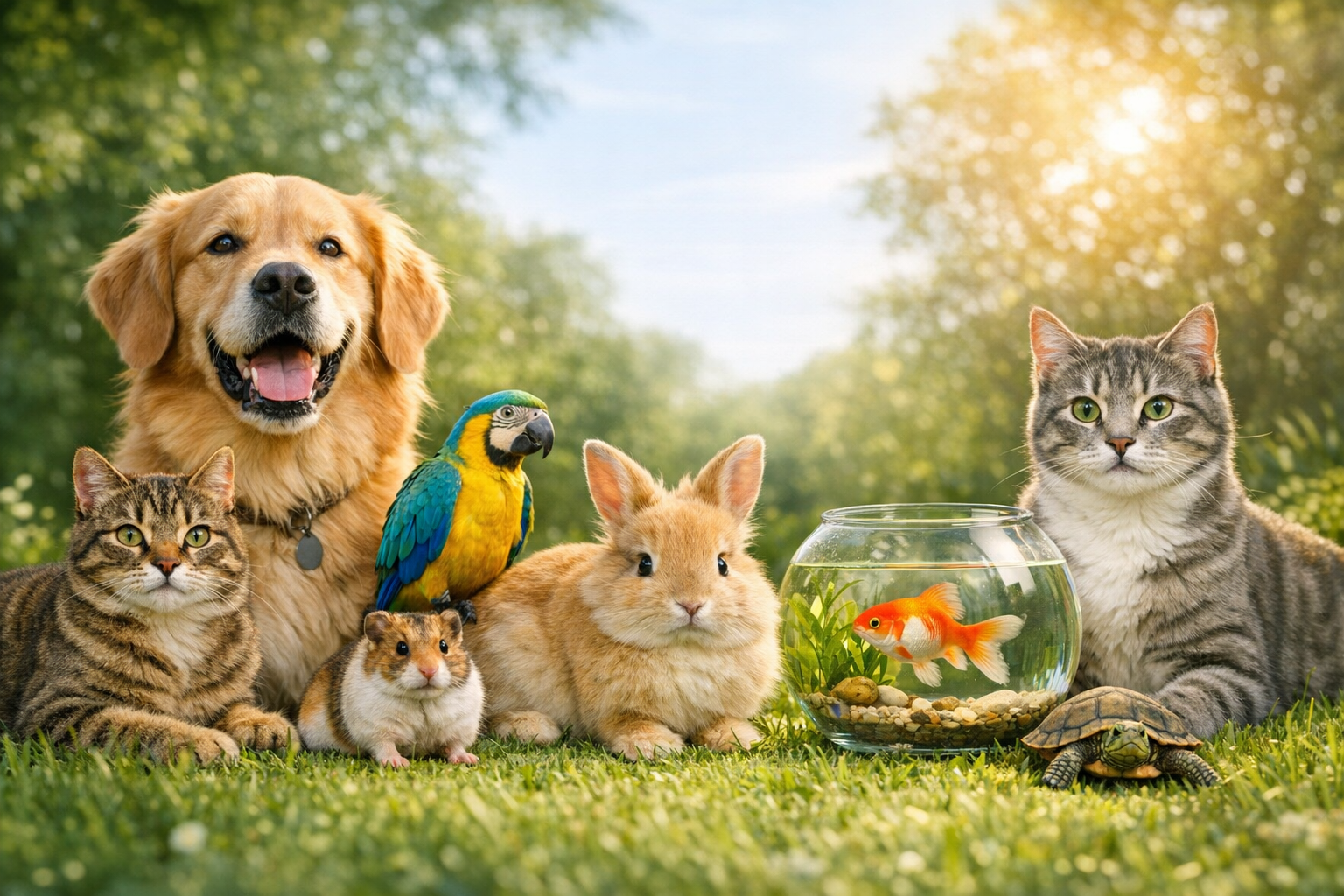
Parrot Cleaning Basics
Parrot cleaning is a fundamental part of keeping your bird healthy and happy. It involves more than just scrubbing the cage and includes grooming, hygiene, and maintaining a fresh environment that mimics the natural conditions these intelligent birds need to thrive.
Importance of Regular Parrot Cleaning
Consistent parrot cleaning prevents the buildup of harmful bacteria, parasites, and mold that can lead to respiratory infections or skin issues. A clean living space also reduces stress and promotes natural behaviors like preening and foraging.
Birds have sensitive respiratory systems, and accumulated droppings, RSPCA bird care guide uneaten food, or dusty feathers can quickly turn the enclosure into a hazard. Through regular parrot cleaning, you minimize ammonia levels and eliminate potential allergens that could weaken your bird’s immune defenses.
A well-maintained environment also supports your parrot’s mental health. Parrots are highly intelligent and curious animals that thrive when their space is orderly and enriched. Parrot cleaning done right keeps toys, perches, and feeding stations inviting instead of repulsive.
How Often Should Parrot Cleaning Be Done?
The frequency of parrot cleaning depends on the size of your bird, the type of cage, and the number of birds you own. Daily spot cleaning, weekly deeper cleanings, and a monthly full sanitization form a solid baseline for most parrot species.
Start with daily tasks like replacing food and water, wiping down perches, and removing soiled substrate from the cage bottom. Parrot cleaning on a daily basis prevents odors and keeps mess from becoming unmanageable.
Every week, perform a thorough clean of all surfaces, toys, and grates. This deeper parrot cleaning session should include washing bowls with hot, soapy water and inspecting the cage for rust or damage. Monthly, disassemble the cage if possible and sanitize every corner, bar, and crack with a bird-safe disinfectant.
Daily Parrot Cleaning Checklist
- Replace drinking water twice a day.
- Remove fresh foods after a few hours to avoid spoilage.
- Spot-clean droppings on perches and cage bars.
- Change cage liner or tray paper.
Weekly Parrot Cleaning Tasks
- Scrub all food and water bowls with unscented soap.
- Wipe down cage bars, grates, and tray with a safe cleaning solution.
- Soak, scrub, and rinse perches and ladders.
- Launder any cloth toys or hammocks.
Step-by-Step Parrot Cleaning Routine
Following a structured parrot cleaning routine makes the process efficient and less stressful for you and your bird. Having a clear order ensures no hidden corners are overlooked and that your parrot returns to a completely safe space.
Begin by transferring your parrot to a secure travel carrier or a supervised play stand in a safe room. Never rush parrot cleaning while the bird is still inside the cage because cleaning agents, even natural ones, can release fumes that may be harmful.
Remove all movable items such as perches, toys, food bowls, and the bottom grate. Soak these in a tub of warm water mixed with a bird-safe soap or a white vinegar solution. While they soak, tackle the empty cage structure.
Cleaning the Cage Frame and Bars
Spray or wipe the entire cage with a nontoxic cleaning agent and let it sit for a few minutes to loosen grime. Use a soft brush or a dedicated toothbrush to scrub between bars, corners, and hinges.
Rinse thoroughly with plain water to remove all traces of the cleaning solution. Even mild residues can irritate your parrot’s respiratory tract or cause skin reactions. Dry the cage completely with a clean cloth before reassembling.
Refreshing Accessories During Parrot Cleaning
Scrub perches to remove dried droppings and food debris. Wooden perches may need light sanding to keep them smooth and splinter-free. Rope perches should be checked for fraying threads that could trap toes.
Inspect each toy for cracks, loose parts, or swallowed material. Parrot cleaning is the perfect time to rotate toys and discard those that have become worn or unsafe. Soak plastic toys in the same mild cleaning solution and rinse them well.
Cleaning the Cage and Accessories
The cage is the heart of your parrot’s world, so thorough parrot cleaning must focus on every surface your bird touches. Stainless steel and powder-coated cages are easier to sanitize, but they still need consistent attention to prevent lime scale and bacteria buildup.
Pay close attention to cage seams, food door latches, and the tracks of sliding trays. These tiny spaces can harbor mold, especially in humid climates. Use cotton swabs or a small steam cleaner to reach tight spots during parrot cleaning.
Lining the tray with paper, such as unprinted newsprint or butcher paper, makes daily parrot cleaning faster. Avoid cedar or pine shavings, which can emit aromatic oils that are toxic to birds. A simple paper liner changed daily supports hygiene and lets you monitor droppings for signs of illness.
Safe Parrot Cleaning Products
Choosing the right products is arguably the most critical part of parrot cleaning. Many household cleaners contain bleach, ammonia, phenols, and strong fragrances that can be lethal to birds. Always opt for solutions specifically labeled as bird-safe or formulated for use around exotic pets.
When in doubt, a simple mix of white vinegar and water makes an excellent daily cleaner for cages and accessories. The mild acidity cuts through dried droppings without leaving harmful residue. For a deeper disinfectant, diluted unscented dish soap followed by a thorough rinse works well.
Avoid aerosol sprays, plug-in air fresheners, and scented candles anywhere near the bird’s area. Even during parrot cleaning, do not use scented wipes or harsh chemical disinfectants. Your bird’s air sacs are extremely efficient at absorbing airborne toxins, so every surface must be residue-free and odorless.
Ingredients to Never Use During Parrot Cleaning
- Bleach: Fumes can cause severe respiratory distress and chemical burns.
- Ammonia: Combines with droppings to create dangerous chloramine gas.
- Phenols (Pine-Sol, Lysol): Extremely toxic to birds and can cause liver damage.
- Scented cleaners: Perfumes and fragrances irritate sensitive respiratory systems.
- Teflon-coated sponges: Some scrub pads release particles harmful if ingested.
Natural DIY Parrot Cleaning Solutions
Making your own parrot cleaning solutions is affordable and puts you in complete control of the ingredients. Many long-time bird owners rely on a few simple recipes that are both effective and safe for daily or weekly cleaning.
A basic all-purpose cleaner can be made by mixing equal parts white vinegar and water in a spray bottle. Add a few drops of lemon juice for extra degreasing power, but be sure to rinse well so the citrus scent does not bother your bird. This solution works on cages, trays, and plastic toys.
For tougher grime, create a baking soda paste with water and apply it with a damp cloth or soft brush. Baking soda gently scrubs without scratching and neutralizes odors naturally. Remember that any homemade parrot cleaning mix must be thoroughly rinsed and dried before the bird returns.
Steam Cleaning as a Natural Parrot Cleaning Method
Steam cleaners use only water and high heat to sanitize surfaces, making them ideal for deep parrot cleaning sessions. The steam kills bacteria, fungi, and dust mites without a single chemical. Aim the nozzle carefully into corners and cage joints, then wipe away loosened debris with a microfiber cloth.
Allow all steamed surfaces to cool and dry completely before reintroducing your parrot. The moisture from steam can temporarily raise humidity, which is beneficial, but standing water droplets can promote mold if not dried properly. Use steam cleaning monthly or as part of a thorough seasonal refresh.
Grooming and Hygiene Beyond Parrot Cleaning
While cage maintenance is the bulk of parrot cleaning, the bird itself requires grooming that supports overall hygiene. Bathing, nail trims, beak care, and feather inspections are all part of a holistic parrot cleaning approach.
Most parrots enjoy regular bathing, either in a shallow dish of lukewarm water or through a gentle mist from a spray bottle. Bathing helps soften the keratin on new feathers during a molt and removes dust and dander from the skin. After a bath, allow your bird to air-dry in a warm, draft-free room as part of its personal parrot cleaning routine.
Nail and Beak Maintenance
Overgrown nails can snag on toys and cage bars, leading to painful tears. Inspect nails during parrot cleaning sessions and use a bird-specific nail clipper or an emery board to file sharp tips. If you are unsure about trimming, consult an avian vet to avoid cutting into the quick.
A healthy beak generally takes care of itself through chewing and playing with cuttlebones and hard wood toys. Parrot cleaning practices should include checking the beak for flaking, overgrowth, or discoloration. Any abnormalities may signal nutritional deficiencies that a vet should evaluate.
Common Parrot Cleaning Mistakes
Even well-intentioned owners can make parrot cleaning errors that compromise their bird’s health. Learning to avoid these pitfalls helps you create a safer and more consistent routine.
One frequent mistake is using too much cleaning product or failing to rinse thoroughly. A slippery film on perches or a chemical smell inside the cage can cause foot sores or breathing difficulties. Always double-check that every surface feels clean and water-only before the parrot returns.
Another overshoot is cleaning everything at once with intense fragrances or disinfectants that overwhelm the bird’s senses. Parrot cleaning should be gradual and never expose the bird to a fog of cleaner. Work in a well-ventilated room and keep the bird far away until everything is dry and odor-free.
Ignoring Hidden Hazards During Parrot Cleaning
Rusting cage bars, peeling paint, and broken welds are hazards that can go unnoticed without regular parrot cleaning inspections. Rust can harbor tetanus bacteria, while flaking powder coat might end up in your bird’s digestive system. Replace any damaged cage components immediately.
Forgetting to clean food and water bowls daily is another subtle but serious error. Bacteria multiply rapidly in wet food and stagnant water, making daily bowl washing one of the most impactful elements of parrot cleaning. Stainless steel or ceramic bowls are easier to sanitize than porous plastic.
Creating a Parrot Cleaning Schedule That Works
Parrot cleaning can feel overwhelming, but breaking it down into manageable daily, weekly, and monthly tasks turns it into a predictable rhythm. Consistency protects your bird without consuming all your free time.
Print a simple checklist and mount it near the cage as a reminder. Adjust the frequency based on your parrot’s species and mess level; cockatoos and cockatiels that produce more powder down may need daily misting and more frequent wipe-downs. Parrot cleaning adapts to the individual bird.
Involve family members in the routine so that everyone understands how critical a clean environment is for the bird’s longevity. Teaching children to help with safe tasks like fresh water and paper changes reinforces responsibility while keeping parrot cleaning a shared priority.
Travel and Boarding Parrot Cleaning Considerations
When you travel, maintaining parrot cleaning standards for your bird’s temporary housing is essential. Whether you board your parrot or have a sitter visit, provide a detailed list of cleaning products and instructions to avoid any mishaps.
Prepare pre-measured portions of your homemade cleaner or supply a labeled bottle of a bird-safe commercial product. Leave notes about your parrot cleaning schedule and any signs of illness to watch for, such as changes in droppings or reduced appetite. A little preparation keeps the bird’s environment stable even when you are away.
Portable travel cages also need a full parrot cleaning before and after every trip. Collapsible cages have many crevices where debris can hide. Disassemble, clean, and dry them completely before storage to prevent mold growth.
Seasonal Parrot Cleaning and Allergen Control
Seasonal changes bring shifts in humidity, temperature, and airborne particles that affect how often parrot cleaning is needed. During spring and fall, many parrots go through heavy molts, shedding feathers and dander that accumulate rapidly on cage surfaces and in the air.
Increase vacuuming and dusting in the room where the cage is kept. Use a HEPA-filter vacuum or air purifier to capture feather dust and protect both human and avian lungs. Parrot cleaning during molting seasons should include more frequent water misting to soothe itchy skin and reduce airborne dander.
In winter, indoor heating can dry out the air and your parrot’s skin. Adding a room humidifier and offering regular baths becomes an extension of your parrot cleaning routine. Monitor humidity levels to keep them between 40% and 60% for optimal respiratory comfort.
Training Your Parrot to Cooperate During Cleaning
Parrot cleaning is much easier when your bird willingly steps onto a hand or perch and moves to a staging area. Target training and positive reinforcement build trust and make the process calm instead of chaotic.
Use a clicker and a favorite treat to teach a “step up” and “go to play stand” command. Practice when it is not cleaning time so the bird does not associate those cues with being displaced. A cooperative parrot reduces stress and shortens the time needed for thorough parrot cleaning.
Some birds become curious or defensive around spray bottles and cleaning tools. Desensitize them slowly by showing the items from a distance and pairing their appearance with high-value treats. With patience, your parrot will view parrot cleaning as a normal, nonthreatening part of the daily routine.
Conclusion: Making Parrot Cleaning a Habit
Successful parrot cleaning is not about achieving a showroom-perfect cage every day; it is about creating a safe, healthy, and predictable environment where your bird can flourish. By weaving parrot cleaning into your daily rhythm, you protect against disease, reduce odors, and deepen your bond with your feathered companion.
Start with small, consistent actions and gradually build a full routine that fits your lifestyle. Watch your parrot’s behavior and droppings closely because they are the best indicators of how well your parrot cleaning practices are working. A bright-eyed, active bird with clean feathers and a healthy appetite is the ultimate reward for all your effort.
Leave a Reply