
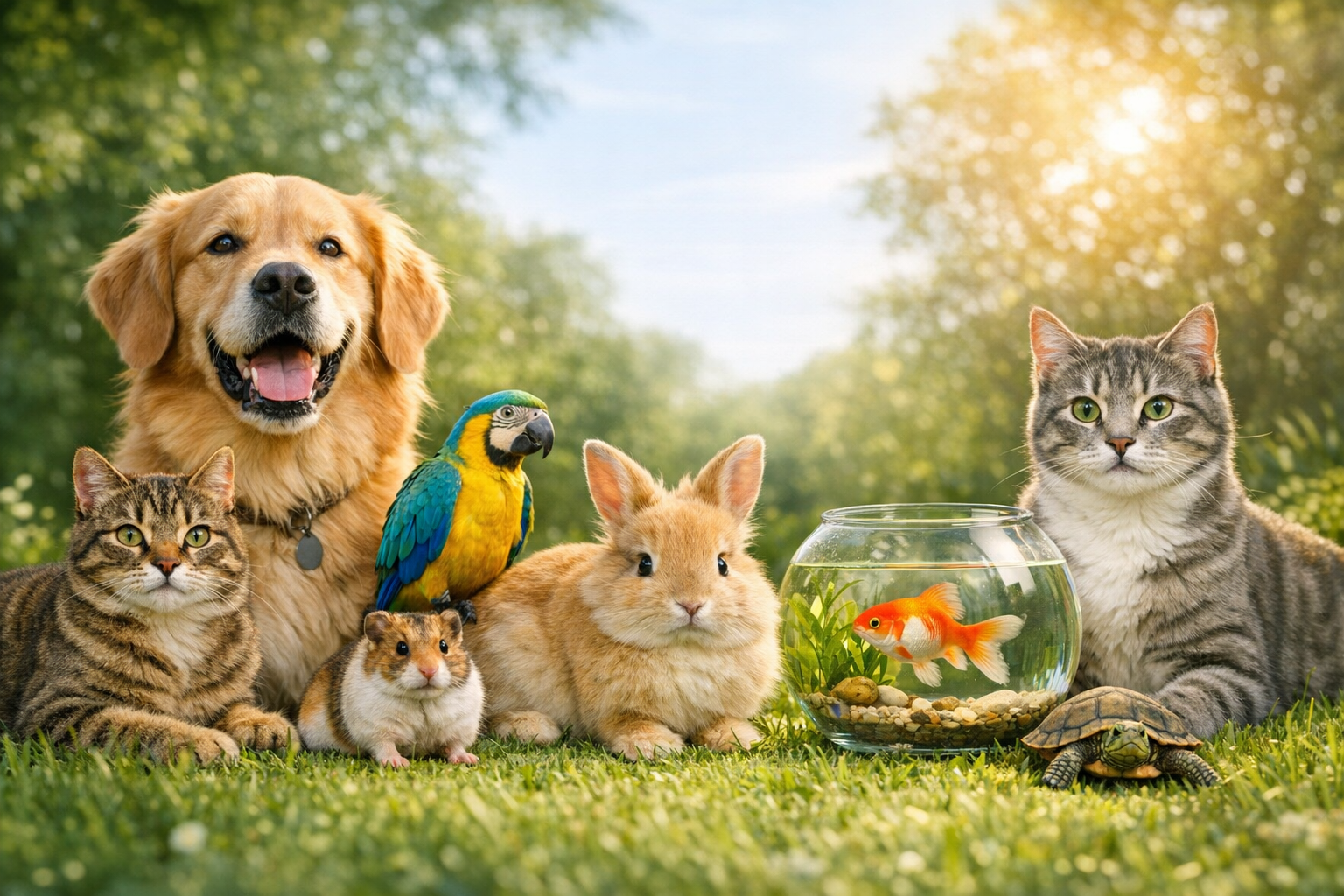
Pets Safe During Cleaning: Why It Matters
Keeping your home clean while ensuring that your furry, feathered, or scaled companions stay healthy is a balancing act many households face. The phrase “pets safe during cleaning” isn’t just a nice idea; it’s a daily responsibility that protects your animals from accidental poisoning, respiratory irritation, and stress-related health issues. A fresh-smelling home should never come at the expense of a pet’s well-being.
Every swipe of a sponge or spray of a bottle introduces chemical residues, fumes, and physical hazards into their environment. Because pets explore with their noses and mouths, they encounter cleaners in ways humans easily overlook. Recognizing this from the start helps you make better choices every time you reach for a cleaning product.
Preparing Your Home to Keep Pets Safe During Cleaning
Before you even pick up a cloth, take a few minutes to set the stage for a hazard-free cleaning session. Securing the area, gathering pet-friendly supplies, and mapping out your sequence of tasks can dramatically reduce risks. A little planning turns “pets safe during cleaning” from a worry into a simple habit.
Start by corralling your pets into a well-ventilated room that you won’t be treating for a while. Whether it’s a bedroom with a closed door or a crate with a favorite blanket, isolation keeps curious noses away from wet floors and open product containers. Always place a sign on the door reminding family members that cleaning is in progress.
Open windows wide or turn on exhaust fans before you begin. Proper airflow speeds up the dissipation of fumes from even so-called mild cleaners. If the outdoor temperature allows, create a cross-breeze that sweeps stale air out quickly, because stagnant airborne chemicals settle on fur, bedding, and toys.
Check the labels of every product you intend to use. Look beyond the bright marketing phrases and scan the fine print for warnings about aquatic life or mammalian toxicity. If a product says “keep out of reach of children,” it demands equal caution for pets that might lick treated surfaces later.
Inspect Your Cleaning Tools for Hidden Dangers
Mops, buckets, and sponges can harbor chemical residues American Kennel Club between uses. Rinse them thoroughly with hot water after each session and store them in a cabinet that pets cannot access. A dog gnawing on a mop head left to dry may ingest concentrated leftover detergent.
Vacuum cleaners present both noise and exhaust concerns. Some models blow fine particulate matter back into the room, which can settle on pet dishes and water bowls. Use a vacuum with a HEPA filter if possible, and always remove food and water stations from the cleaning zone before you begin.
Steam mops and steam cleaners are often touted as chemical-free alternatives, and they are excellent for many surfaces. However, the hot vapor can burn curious paws that wander onto a freshly steamed floor. Let the floor cool completely and dry before allowing pets back, which usually takes at least twenty minutes.
Create a Pet-Safe Cleaning Caddy
Dedicate a carrying tote or bucket solely to cleaning products you have verified as pet-friendly. Stock it with microfiber cloths, a spray bottle of diluted white vinegar, baking soda, and unscented castile soap. Having these tools ready reduces the temptation to grab a harsh commercial spray in a hurry.
Label the caddy clearly with something like “pet-safe cleaning supplies” so other family members understand its purpose. This small step embeds the “pets safe during cleaning” mindset into the household routine, making it easier for everyone to make the right choice.
Choosing Cleaning Products That Are Safe for Pets
The cleaner aisle is a sea of contradictions: pretty bottles with harsh contents. To truly keep pets safe during cleaning, you need to become an ingredient detective. Many common disinfectants, stain removers, and air fresheners contain compounds that are mildly irritating to humans but severely toxic to smaller animals.
Ammonia, often found in glass cleaners, can cause burning sensations in a pet’s nose and throat. Because dogs and cats sniff surfaces intently, they inhale ammonia at close range. Chlorine bleach, while useful for sanitizing, emits fumes that can trigger asthma-like symptoms in birds and small mammals even in trace amounts.
Phthalates, used to prolong fragrance in air fresheners and scented detergents, disrupt endocrine function in pets just as they do in humans. A plug-in air freshener might smell like a meadow, but to a cat grooming its fur nearby, it’s a constant low-dose exposure. Opt for fragrance-free or naturally scented alternatives made with pure essential oils that are known to be safe around your specific pet species.
Phenols, common in pine-scented cleaners and some disinfectant wipes, are particularly dangerous for cats, who lack the liver enzymes to metabolize them. Even paw contact can lead to absorption and neurological symptoms. Reading labels for “phenol” or “phenolic compounds” is a must for feline-friendly homes.
Decoding Labels and Certifications
Labels like “green,” “natural,” or “eco-friendly” are not regulated tightly and can appear on products still containing skin irritants. Look for third-party certifications such as the EPA’s Safer Choice label, which evaluates products for both environmental and health impacts. Products with this seal have been assessed for aquatic toxicity, a useful proxy for pet safety.
Veterinary clinics often post lists of recommended household cleaners on their websites. These lists are compiled with specific species sensitivities in mind. Bookmark one from a trusted clinic and cross-reference it with your shopping list before heading to the store.
When in doubt, download a pet poison control app. The ASPCA Animal Poison Control Center and the Pet Poison Helpline provide mobile tools that let you quickly search ingredients. Taking thirty seconds to scan a product before buying can prevent a frantic call later.
The pH Factor and Residue Concerns
Many floor cleaners are highly alkaline, which can disrupt the protective oils in a dog’s paw pads. Over time, repeated walking on treated floors leads to cracked, painful pads and secondary infections. After mopping with any commercial product, rinse the floor with plain water and dry it, even if the label claims no rinsing is needed.
Residue on countertops presents a risk to cats that jump up to explore. A disinfectant spray that dries clear may still leave a film of quaternary ammonium compounds. These compounds can cause oral ulcers if a cat walks across the counter and then grooms its paws. Always wipe down food-prep surfaces with a damp cloth after sanitizing.
Room-by-Room Guide to Keep Pets Safe During Cleaning
Every room in your house poses unique challenges when you aim to keep pets safe during cleaning. Kitchens involve food and strong degreasers, bathrooms host mold-fighting chemicals, and living areas collect dust and dander. Tailoring your approach room by room makes the whole process safer and more effective.
Kitchen: Where Food and Cleaners Collide
The kitchen floor endures dropped kibble, water splashes, and grease splatters, making it a magnet for aggressive cleaners. However, pets often lie on the kitchen mat while you cook, putting their bellies in direct contact with whatever you last used on the tiles. Switch to a mild dish soap and warm water solution for daily floor cleaning, which cuts grease without leaving toxic residue.
Oven cleaners are among the most caustic products in any home. If you must use a heavy-duty oven cleaner, seal off the kitchen completely, cover the pet’s water bowl, and don’t let animals back in until the oven has been thoroughly rinsed and aired out for several hours. Better yet, use a baking soda paste and elbow grease for routine oven maintenance.
Garbage disposals sometimes get freshened with lemon peels or commercial pellets. While the scent is pleasant, the fine dust from these products can settle on the floor around the cabinet. Store all fresheners in a latched cabinet and sweep the area immediately after use.
Bathrooms: Moisture and Molds
Bathrooms trap humidity, encouraging mildew and the use of bleach-based sprays. Pets that drink from dripping faucets or explore the shower stall can ingest film from cleaning residues. After deep-cleaning the bathroom, run the exhaust fan for at least 30 minutes and wipe down all horizontal surfaces including the sides of the tub where animals might lean.
Toilet bowl cleaners are often highly acidic and can splash onto the rim or floor. Keep the lid down until the product has finished its work and flush twice to clear the bowl. The last thing you want is a thirsty dog lapping chemically treated water from the bowl while you are scrubbing the next room.
Air freshener sprays used in bathrooms deposit droplets onto towels and rugs. Those textiles become a delivery mechanism for chemicals when pets rub against them or nest in a laundry pile. Choose bamboo charcoal bags or a small bowl of baking soda to absorb odors without any airborne particles.
Living Areas and Bedrooms: Soft Surfaces and Dust
Fabric sofas, carpets, and curtains are magnets for pet hair and dander, tempting owners to use heavy-duty upholstery cleaners. Spot-test any fabric cleaner on a hidden area and let it dry completely before allowing pets back on the furniture. Even better, use a handheld steam cleaner to sanitize without chemicals.
Carpet powders designed to deodorize and refresh can cling to paws and fur. When pets groom themselves, they ingest the powder, which often contains baking soda and synthetic fragrances. If you use such powders, vacuum extremely thoroughly, going over the area multiple times, and wipe your pet’s paws with a damp cloth afterward.
Bedding, including your own sheets if your pet sleeps with you, should be washed with a fragrance-free, hypoallergenic detergent. Dryer sheets and fabric softeners coat fibers with a waxy substance that transfers to fur and can cause skin irritation. Skip them entirely in loads that include pet blankets.
Laundry Room and Storage Areas
The laundry room often houses detergent pods, bleach bottles, and dryer sheets, all of which smell interesting to a pet. Even a single swallowed laundry pod can cause life-threatening intestinal blockages or poisoning. Install childproof latches on lower cabinets and never leave a pod sitting on top of the machine.
Antifreeze and other automotive products stored in a utility area are notorious for their sweet taste and extreme toxicity. A few licks of spilled coolant can be fatal. Inspect the garage and laundry room floors regularly for drips, and place a shallow tray under stored chemical jugs.
Natural Cleaning Solutions for a Pet-Safe Home
You don’t need a chemistry degree to make effective cleaners that support the goal of keeping pets safe during cleaning. Simple pantry staples like white vinegar, baking soda, lemon juice, and olive oil can tackle most household messes. Understanding how to combine and apply them correctly transforms your cleaning routine.
Vinegar’s acetic acid cuts through grease, disinfects lightly, and neutralizes odors. For a basic all-purpose spray, mix equal parts water and white distilled vinegar in a spray bottle. Avoid using vinegar on natural stone surfaces like marble or granite, where acid can etch the finish. For those areas, a gentle soap-and-water mixture is safer for both the surface and your pet.
Baking soda is a deodorizer and mild abrasive. Sprinkle it on carpets before vacuuming, or make a paste with water to scrub sink stains. Since baking soda is non-toxic if ingested in small amounts while grooming, it’s one of the safest powders to have around animals.
Aromatherapy With Caution
Essential oils can freshen a room and offer additional cleaning power, but many are dangerous to pets. Tea tree oil is highly toxic to cats even in small concentrations. Peppermint and wintergreen can cause respiratory distress in dogs. If you want to add a light scent to your DIY cleaner, use a few drops of lavender oil that has been approved by your veterinarian, and always dilute it heavily.
Diffusers that aerosolize oils create a fine mist that coats fur. Passive diffusers like reed sticks are slightly safer because they don’t force particles into the air, but they can still be knocked over and ingested. Place any diffuser where your pet cannot reach it, and never run one in a small, enclosed room with an animal inside.
Disinfecting Without Harsh Chemicals
Hydrogen peroxide in a 3% solution can be used on hard surfaces as a pet-safe disinfectant, provided you rinse afterward. It breaks down into water and oxygen, leaving no toxic residue. Apply it to cutting boards, bathroom counters, and tile floors, let it sit for a few minutes, then wipe clean.
Steam, as mentioned earlier, is a powerhouse. Steam mops and handheld steamers kill most bacteria and viruses with heat alone. Just keep pets out of the room until the hot vapor dissipates and all surfaces have cooled. This method completely eliminates the chemical question mark.
Building a Routine That Keeps Pets Safe During Cleaning
Consistency is the secret ingredient. When everyone in the household knows the drill, “pets safe during cleaning” stops being an afterthought and becomes automatic. A written list on the fridge, a dedicated cleaning day, and clear pet-safe zones streamline the process.
Establish a cleaning schedule that separates deep-cleaning days from light maintenance days. On deep-cleaning days, set aside a two-hour window where pets are confined safely, windows are open, and you can work methodically without cutting corners. Light maintenance days can use only spray-bottle solutions and dry dusting, allowing pets to roam freely.
Train your pets to associate cleaning time with positive experiences. Give them a special chew toy or a food puzzle in their safe room. Over time, they will head to that spot voluntarily when they see you pull out the cleaning caddy, reducing stress for everyone.
Post-Cleaning Walkthrough and Inspection
After finishing, do a barefoot walkthrough from a pet’s eye level. Crouch down and scan the floor for any damp patches, dropped pods, or stray bottle caps. Wipe your hand across low surfaces like baseboards and table legs where a dog’s tail might brush; if you feel any tackiness, wipe again with a damp cloth.
Fluff and rotate pet bedding and toys during cleaning sessions. This not only keeps their spaces fresh but also allows you to inspect for wear and tear that could hide bacteria or mold. Toss any toys that are falling apart and wash the rest in a mesh bag on the gentle cycle.
Handling Accidental Exposure
Even with the best preparation, accidents happen. Know the number for a 24/7 pet poison hotline and your nearest emergency vet. If you suspect your pet has walked through a wet floor or licked a treated surface, rinse their paws or mouth with lukewarm water immediately and call a professional. Don’t induce vomiting unless specifically instructed to do so, as some substances cause more damage coming back up.
Keep a pet first-aid kit stocked with saline eye wash, gauze, and a muzzle (a scared pet may nip). The minutes you save by having supplies on hand can make a significant difference in outcomes. Reassure the animal with a calm voice; your stress can elevate theirs.
Adapting Your Approach for Different Pets
Not all pets react the same way to cleaning products, so your strategy must flex with the species under your roof. A bird’s respiratory system is exquisitely sensitive; fumes that go unnoticed by a dog can kill a parakeet. Reptiles absorb moisture through their skin, making residue a hidden threat.
Birds require a completely aerosol-free environment during and after cleaning. Move their cage to a closed room with an open window, and wait until all scents have fully dissipated before bringing them back. This often means cleaning in the morning and letting the house air out all day.
Reptiles and amphibians should have their enclosures covered with a damp towel if you’re cleaning nearby. The towel acts as a barrier against airborne particles. Whenever you sanitize their actual habitat, use only a very mild vinegar solution, rinse copiously, and let it dry completely before reintroducing the animal.
Small mammals like rabbits and guinea pigs have low-to-the-ground bodies that put them in direct contact with floor residues. Use only water and elbow grease on their penned area floors. If you must disinfect, use a pet-store-branded small animal habitat cleaner that specifies it’s safe for the species.
Pets Safe During Cleaning in Multi-Pet Households
Managing a home with both dogs and cats or other combinations adds complexity. A product safe for dogs might not be safe for cats, and vice versa. You must always default to the most sensitive species when selecting cleaners.
Label your spray bottles and caddies by pet type if you use any product that has a species-specific warning. For example, some flea home sprays are dog-safe but contain permethrin, which is highly toxic to cats. Keep a cat-designated set of supplies that never cross-contaminates with dog products.
During cleaning, consider a buddy system for letting animals back into cleaned zones. Let the hardier species return first for a short period while you observe behavior. If no reaction occurs, slowly reintroduce the others. This staged approach acts as an early warning system for any lingering irritants.
Outdoor and Garage Cleaning Considerations
The yard and garage often get overlooked in pet-safe cleaning discussions, but they are heavy chemical zones. Fertilizers, herbicides, and ice melts cling to paws and get tracked indoors. Wash your pet’s feet with a damp cloth after they’ve been outside on treated surfaces, and keep a shallow pan of water by the back door for a quick rinse.
If you pressure-wash the deck or driveway, any runoff will pool in low spots where dogs might drink. Reroute the water flow away from the pet’s outdoor water bowl, and store the bowl inside during the cleaning. Allow the concrete or wood to dry entirely before setting it back out.
Garage floor cleaners often contain solvents and degreasers that emit heavy fumes. Never clean the garage floor with a pet inside, and ventilate for a full day before allowing access. A baby gate across the garage entry door is a simple barrier that prevents accidental exploration.
Training and Communication for a Pet-Safe Home
Everyone who enters your home plays a part in keeping pets safe during cleaning. Visiting relatives, house sitters, and even children need clear guidelines. A simple posted note on the cleaning cabinet and a quick conversation can prevent a well-meaning mistake.
Teach children to never spray cleaners near pet dishes or bedding, and to wash their hands after helping with chores. Puppies and kittens explore with their mouths, so a dropped cleaning wipe becomes an instant chew toy. Make a household rule that all used wipes go directly into a lidded trash can.
Professional house cleaners should be briefed on your pet-safe policies before they begin. Provide them with the products you’ve approved and ask them to follow your room ventilation routine. A reputable cleaning service will be happy to accommodate these requests.
Conclusion: Committing to Pets Safe During Cleaning Every Day
The goal to keep pets safe during cleaning isn’t a one-time checklist; it’s a living practice that adapts as your home and animal family evolve. Every new puppy, senior cat, or rescued bird brings fresh considerations. By staying informed, reading labels attentively, and leaning into natural solutions, you create a home that shines without shadows of risk.
When you store cleaning tools properly, ventilate religiously, and choose products with your pet’s biology in mind, that “pets safe during cleaning” mantra becomes the quiet rhythm of your household. The reward is a happy, wagging, purring testimony that a clean home and a safe pet can absolutely coexist.
Leave a Reply