
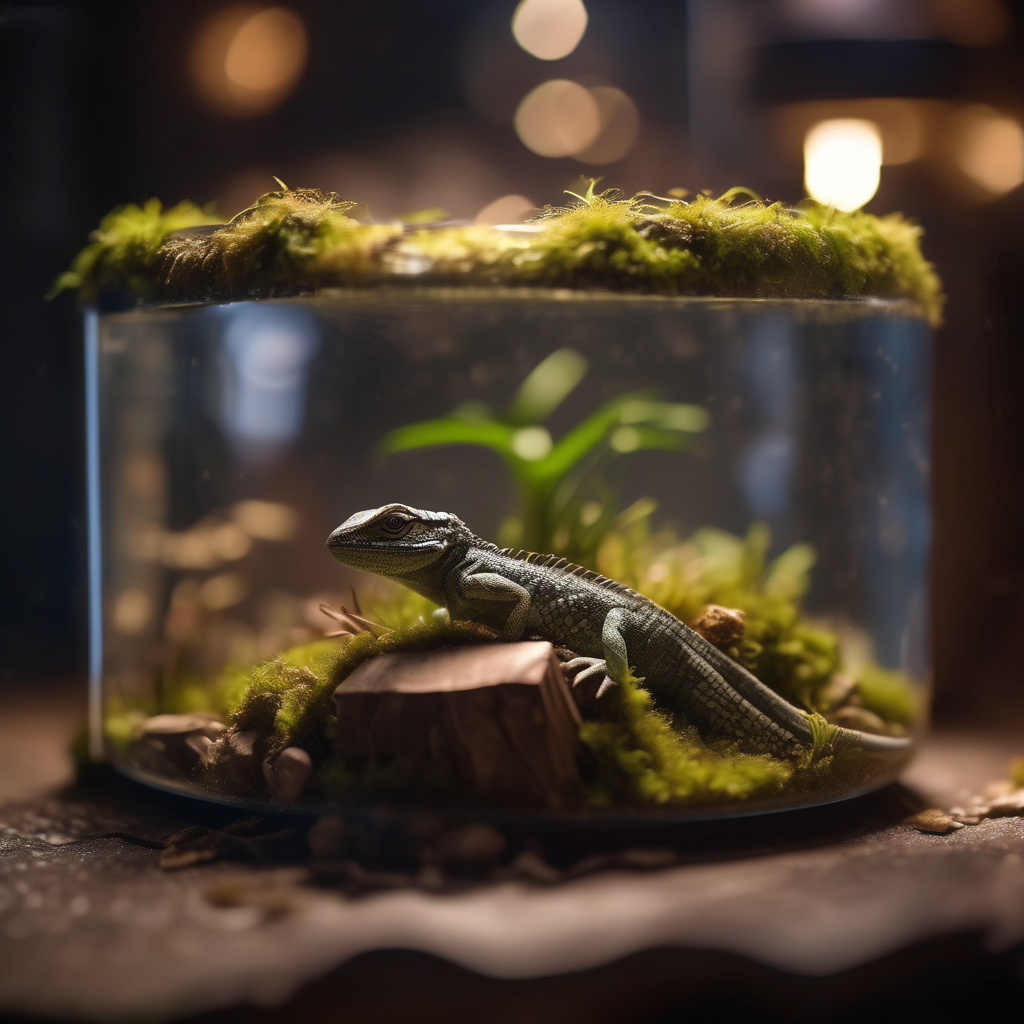
Substrate is the cheapest line item in a reptile enclosure and the one most likely to kill the animal inside it. Loose sand impacts the gut of a lizard that feeds on the ground. Paper towel cannot hold humidity for a tropical snake and causes weeks of stuck sheds. Sealed, waterlogged soil grows mould that destroys a gecko’s lungs in a month. The substrate you pick determines whether the enclosure holds the humidity your species needs, whether your animal can burrow, and whether every mouthful of food arrives with a mouthful of grit. This guide matches bedding to species, explains which options are never safe, and shows how to read humidity correctly so the substrate is actually doing its job.
It is part of the Reptile Terrarium Equipment: The Complete Setup Guide series — read it alongside the reptile humidity guide and the UVB lighting guide, because lighting and heating change what substrate you need.
What substrate actually has to do
Before choosing a material, be clear on the four jobs it has:
- Hold the target humidity. Soil and moss buffer moisture; paper and tile do not. A tropical species on paper towel in a heated room will sit at 30% humidity no matter how often you mist.
- Allow natural behaviour. Burrowing species need depth. Climbers need a firm surface to grip. Some species barely interact with the floor at all.
- Be safe if swallowed. This is the hard rule. Anything loose, indigestible and small enough to fit in the mouth is a risk for a ground-feeding animal.
- Stay clean. A substrate that traps waste in a place you cannot reach breeds bacteria and mould. Cleanability is not optional.
The substrates that are never safe
A short list, because these cause a large share of reptile mortality:
- Calcium sand and “digestible” play sand. Marketed as swallowable, it is not. It clumps in the gut and causes impaction. Bearded dragons, leopard geckos and uromastyx die on this substrate regularly.
- Fine loose sand for any ground-feeding lizard. Even non-calcium sand is a bad choice for a species that eats off the floor. If you want a desert look, use a sand-mat or excavator clay laid on tile.
- Cedar and pine shavings. The aromatic oils are toxic to reptiles, damaging the liver and the respiratory tract. Aspen is the only acceptable wood bedding, and only for some dry species.
- Walnut shell and crushed corncob. Sharp, indigestible, and corncob moulds aggressively when damp.
- Gravel and pebbles for anything that might eat off the floor. Fine for an aqua-terra decor layer, never as the sole floor.
- Fresh garden soil or compost from a bag. Fertiliser, pesticides, and pests. Bake it or buy a purpose-made mix.
Substrate by species group
Desert lizards — bearded dragons, leopard geckos, collared lizards
These are dry-habitat animals that feed on the ground, which is the worst possible combination for loose particles. The reliable setup is a solid tile or non-adhesive shelf liner over part of the floor, with a diggable mix (organic topsoil and playsand, roughly 80/20) in a dedicated lay box or egg-laying area. This gives grip, easy cleaning, a humidity box for shedding, and a place to dig without turning the whole floor into an impaction risk.
If you prefer a uniform floor, a reptile carpet works but harbours bacteria in the fibres — it needs a spare set and machine washing. Paper towel is the safest possible quarantine option and holds up well for a juvenile, but it is not a long-term answer for an adult because it cannot hold a burrow or a shed hide.
Tropical lizards — crested geckos, day geckos, chameleons, anoles
These need a moisture-holding floor that also drains. The standard is a bioactive mix: coconut fibre or coconut coir as the base, mixed with peat-free compost, a little charcoal, and leaf litter on top, with a drainage layer of clay balls underneath. Leaf litter is not decoration — oak or magnolia leaves break up the surface, hold humidity, and give a gecko somewhere to hide that is not a plastic cave. For chameleons, substrate is almost irrelevant because they live on the branches; a simple paper or soil floor with a drip tray underneath is fine.
Snakes — terrestrial and arboreal
Snakes do not eat off a substrate with the same risk as a lizard because they strike and swallow a prey item they hold, but they do swallow bedding when striking and they do have strict humidity needs. Aspen shavings is the classic dry-species choice for a corn snake or kingsnake, because it is absorbent, burrowable and safe if ingested in small quantities. Cypress mulch and coconut fibre suit ball pythons and other tropical species that need 55–70% humidity. Paper towel or newspaper is the correct choice for a new arrival or a quarantined snake — you can see every stool and every mite, and it is the reason quarantine works. See reptile quarantine setup.
Never use cedar, never use sand for a burrowing snake, and never use a substrate deep enough that a heavy-bodied snake can flip itself over while constricting.
Amphibians — frogs, newts, salamanders, axolotls
Amphibians absorb water through their skin, so substrate toxicity is a direct toxicity risk. Coconut fibre, sphagnum moss, and pesticide-free leaf litter are the standard. Axolotls are the exception: bare tank or fine sand only, because they swallow gravel and die of impaction. Anything with fertiliser, dye or scent is disqualifying — if it smells like anything, do not use it.
Invertebrates — tarantulas, scorpions, millipedes
Tarantulas are substrate-lite animals: a few centimetres of dry coconut fibre for a terrestrial species, moist coconut fibre for a tropical one, and enough depth for a burrow on fossorial species. Scorpions want a sand-and-soil mix they can excavate. Millipedes need a deep, damp, decaying leaf-litter layer because they eat it. Never use vermiculite for any of them — it is an impaction risk if consumed and it mats into an unmanageable block when wet.
Tortoises and turtles
Tortoises: topsoil and playsand mix, or orchid bark for humid species, with hay as bedding. Never gravel, never sand alone. Aquatic and semi-aquatic turtles are better with bare tank plus a basking platform; if you use substrate, use river sand large enough that it cannot be swallowed, and expect to vacuum it.
Depth: how much substrate to use
- Burrowing species: at least the animal’s body length in depth, ideally more. A Kenyan sand boa needs 8–10 cm to feel secure.
- Non-burrowing lizards and arboreal species: 2–5 cm is enough to hold humidity and support plants.
- Tarantulas: terrestrial 5–8 cm; fossorial up to half the tank height.
- Egg-laying females: one area of 15–20 cm depth of diggable mix, regardless of what the rest of the floor is made of. A gravid female with nowhere to dig is a serious welfare problem.
Bioactive vs clean: which to choose
A bioactive setup — soil, cleanup crew of springtails and isopods, live plants, drainage layer — is self-sustaining, looks natural, and holds humidity beautifully. It is also harder to fix when something goes wrong and impossible to disinfect if the animal gets sick. A clean setup — tile, paper, or a thin soil layer you change on a schedule — is sterilisation-friendly and lets you monitor stools and parasites.
The rule: go bioactive for a healthy, established, long-term animal; go clean for anything new, anything quarantined, and anything being treated for illness. If you do go bioactive, read the bioactive terrarium setup guide before buying a single bag of soil, and pair it with the reptile tank cleaning schedule so you know what you are maintaining.
The humidity trap: substrate is not the whole answer
Keepers change to coconut fibre and wonder why the hygrometer still reads 30%. Substrate holds moisture, but ventilation is what releases it into the air. A glass tank with a mesh lid loses humidity faster than soil can replace it; a fully sealed tank breeds mould. The fix is usually a combination: moisture-holding substrate, a partly covered lid, a humidity gauge on the cool side, and — for tropical species — a misting system or timer. Read the reptile humidity guide for species targets and the temperature gradient guide for where to place the gauge.
Digital hygrometers are worth the money; the stick-on analogue dials in pet shops are routinely 15–20% off and cannot be trusted.
Warning signs your substrate is wrong
- Repeated stuck sheds. Almost always humidity, and humidity is usually substrate plus ventilation. See reptile shedding problems.
- A swollen abdomen or a firm mass you can feel. Impaction. Stop feeding, warm-bathe the animal, and see an exotics vet — this is an emergency.
- Grit in the stool, regularly. Your animal is eating its substrate. Change it.
- Visible mould, or a sour earthy smell. The soil is too wet for the ventilation. Remove the top layer, replace it dry, and reduce misting.
- Springtails and isopods everywhere except the soil. The cleanup crew has outgrown the waste input; you are overfeeding or the drainage layer has failed.
- Mites appearing at the water dish. Check the reptile mite treatment guide — substrate must be baked or replaced as part of the cure.
- Respiratory sounds, or a gaping snake. Damp, fungal substrate in an insufficiently heated tank. Raise the ambient temperature and dry the substrate out.
Frequently asked questions
Can I use coconut fibre alone?
Yes for many species, but it holds very little structural air and becomes waterlogged easily. Mixing it with bark, leaf litter or a little soil makes it far more forgiving.
Is newspaper safe for an adult snake?
Safe, but poor for a tropical species that needs humidity. Use it for quarantine and short-term housing, and switch to cypress mulch or coconut fibre once the animal is established.
Do I need a drainage layer in a simple setup?
If the substrate is thin, no. If you are keeping damp soil with live plants, yes — without it the bottom of the soil stays saturated and rots.
How often should I change substrate?
Spot-clean daily, replace the top layer monthly, and replace everything every three to six months in a clean setup. A true bioactive setup is never fully replaced, only topped up.
My gecko keeps swallowing sand. Is that normal?
No. Some accidental ingestion is normal, but deliberate eating means the animal is seeking minerals or the enclosure is too dry. Remove the loose substrate entirely and use tile plus a dig box.
The bottom line
Choose substrate from the species outward, not from a photo. A desert lizard needs grip and a dig box, not sand. A tropical gecko needs a moisture-holding soil with leaf litter, not paper towel. A new arrival needs something you can see through, not a beautiful planted tank. Get the floor right and humidity, shedding and behaviour mostly follow; get it wrong and no amount of good lighting or heating saves the animal. Start from the complete terrarium equipment guide, then check the species pages for your animal in the small pet reptiles species guide.
Leave a Reply