
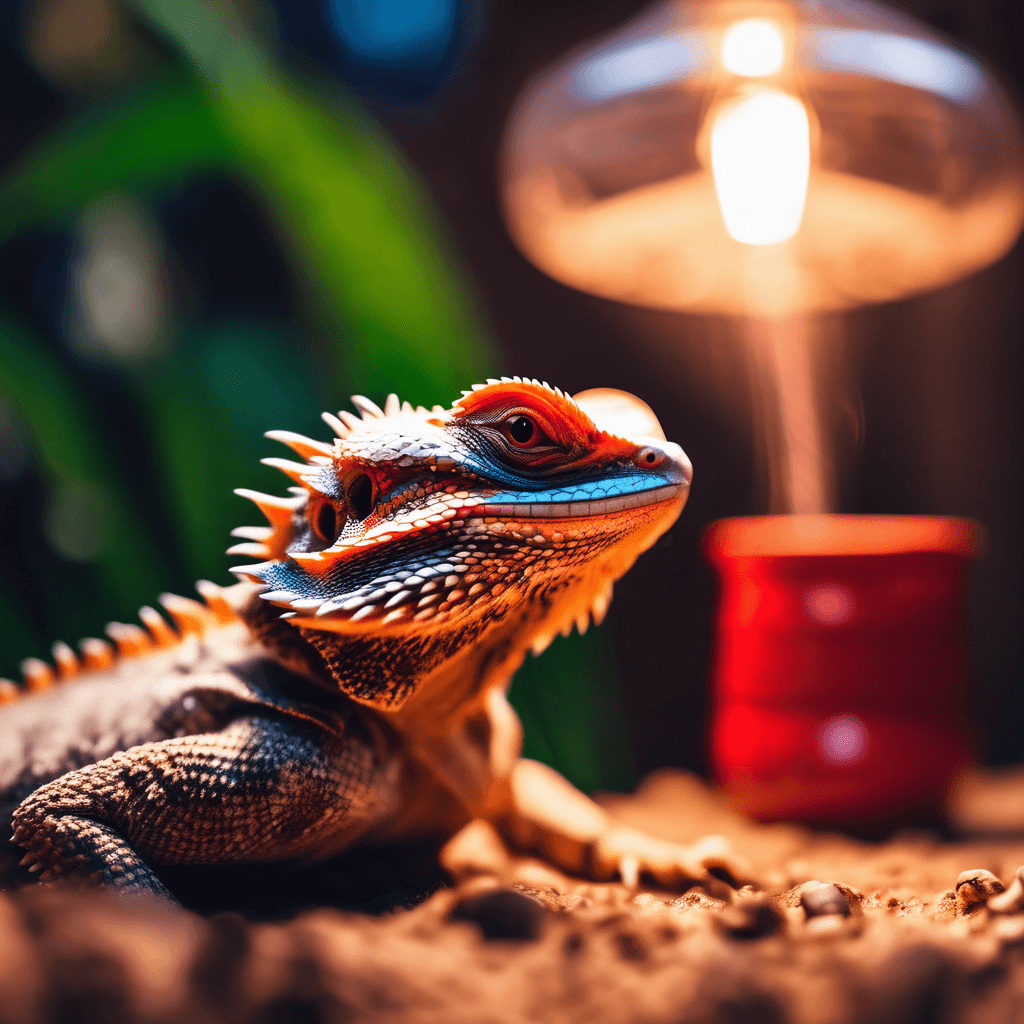
Reptiles are ectotherms, not set-it-and-forget-it pets: their thermal and humidity needs shift with the seasons, and a setup that was perfect in July can quietly harm your snake or lizard by January. The keepers who lose a reptile to a preventable problem almost always did not notice the seasonal drift — a heat lamp that ran too cool in winter, a humidity that crashed in summer air-conditioning, or a brumation that was never planned. This guide walks through what changes from season to season, why it matters, and the exact temperature and humidity targets each time of year. It is part of the small pet reptiles complete species guide series — read that hub first for the species comparison matrix and the enclosure overlap every cluster shares.
Before we get into the calendar, the non-negotiable: a reptile needs a temperature gradient every day, every season. The warm side lets it raise its body temperature to digest and fight infection; the cool side lets it lower temperature to rest and avoid overheating. Removing that choice — by turning the whole enclosure cold in winter or baking it hot in summer — is the fastest way to suppress appetite, trigger constipation, and invite respiratory infection. Everything below is built around keeping that gradient live and correct as the room changes.
Winter: Brumation, Dry Air, and the Cold-Side Test
Winter is where most reptile keepers make their first serious mistake: they assume a cold room is fine for a cold-blooded animal. It is not. A room at 65 F (18 C) is a refrigerator to a bearded dragon that needs 95 F (35 C) on its basking spot. The problems compound:
- Dry indoor air crashes humidity. Forced-air heat and furnaces drop relative humidity below 30 percent, which causes bad sheds, respiratory irritation, and dehydration through the skin and cloaca.
- Heating failure goes unnoticed because the gradient is already compressed by the cold room — a failing ceramic heater or thermostat blends into the ambient chill.
- Feeding should pause or reduce for species that brumate. A snake that is still active and a room that is still warm can keep eating, but a bearded dragon or ball python heading into brumation must slow down, or the undigested meal rots and causes fatal enteritis.
Winter temperature targets: warm side unchanged from summer (the animal sets its own basking behavior); cool side must not drop below the species minimum (corn snake 72 F / 22 C, ball python 78 F / 26 C, bearded dragon 80 F / 27 C). If the cool side hits the floor, plug in a low-wattage ceramic heat emitter on the cool end, controlled by a second thermostat so it only runs when needed. Never use a heat rock — it cannot be thermostated and burns through scales.
Spring: Recovery, Shedding Season, and Deep Cleaning
Spring is growth season for reptiles. Activity rises, appetites return, and most species enter a heavy shed cycle. This is the window to refresh the setup without stressing a full-grown snake:
- Raise humidity gradually for species entering shed. A corn snake that shed cleanly at 45 percent in winter may need 55 to 60 percent for a clean shed in spring. Mist the substrate, not the animal, and refill the humid hide with damp sphagnum moss.
- Deep-clean the enclosure now. Remove everything, scrub with a reptile-safe disinfectant (f10SC or a 1:32 bleach solution), rinse thoroughly, and replace substrate. Parasite and bacterial load peaks after a winter of accumulated waste.
- Restart UVB if you turned it off. UVB output degrades with age, so replace the bulb even if it still glows — its effective life is 6 to 12 months, not the bulb’s filament life.
- Resume feeding slowly for brumating species. Move from one small prey item to a feeding schedule over 7 to 10 days; a sudden feast after fasting triggers regurgitation.
Summer: Heat Stress, Dehydration, and AC Dryness
Summer flips the problem: too much heat and too little humidity. Air conditioning is the silent killer because it cools the room evenly but dries the air, and it can short-cycle a thermostat so the basking lamp never comes on:
- Check the gradient daily with a digital thermometer at each end. If the cool side creeps above the species maximum (ball python cool side above 80 F, bearded dragon above 85 F), the animal cannot thermoregulate downward.
- Bump humidity for tropical species. Mist twice a day or add a second water bowl on the cool side. A screen-top tortoise table can drop to 40 percent in July — aim for 60 to 70 for tropicals.
- Hydration matters more in dry air. A snake that is dehydrated will retain its shed and develop constipation. Soak tropical species once a week in lukewarm, dechlorinated water for 15 to 20 minutes.
- Prey size does not grow with appetite. A reptile that is eating eagerly in summer is not asking for larger prey — it is asking for the same appropriately-sized prey, more often. Oversized prey causes regurgitation and impaction.
Fall: Feeding Ramp-Down and Heating Redundancy
Fall is preparation season. The days shorten, temperatures swing, and heating load increases — which means it is the cheapest time to test your backup plan:
- Verify every heat source on the same circuit can fail independently. A single thermostat failure in January is an emergency call at 2 a.m.; a backup ceramic emitter and a second thermostat is a $40 insurance policy.
- Reduce feeding frequency for temperate species heading into brumation. A ball python that ate weekly in summer can shift to every 10 to 14 days; a bearded dragon from 6 to 4 insects. Do not drop to zero suddenly — taper.
- Check the hygrometer calibration against a known source (a sealed bag with a wet paper towel should read ~95 and a dry one ~20). An uncalibrated hygrometer is lying to you every day.
- Prepare for power outages common in late fall storms. A battery-powered digital thermometer and a low-wattage emergency heat source (hand warmers outside the enclosure, never inside) keep the gradient alive.
Temperature and Humidity Targets, By Season and Species
- Corn snake / king snake — warm 80-85 F (27-29 C), cool 72-75 F (22-24 C), humidity 40-50 percent year-round; 55-60 percent during shed. No seasonal brumation required if kept warm and fed lightly.
- Ball python — warm 88-92 F (31-33 C), cool 78-80 F (26-27 C), humidity 55-65 percent year-round; 65-70 percent during shed. Winter is when humidity crashes and appetite strikes spike.
- Bearded dragon — basking 95-100 F (35-38 C), cool 80-85 F (27-29 C), humidity 30-40 percent; UVB daily 10-12 hours. Winter photoperiod should shorten to 8-10 hours, not because the dragon needs less light but because a constant 14-hour day disrupts its rhythm.
- Leopard gecko — warm 88-92 F (31-33 C), cool 75-80 F (24-27 C), humidity 30-40 percent. They do not brumate reliably in captivity; keep the gradient stable and reduce feeding slightly in winter.
- Russian tortoise — basking 95-100 F (35-38 C), cool 70-75 F (21-24 C), humidity 60-70 percent with a moist hide. They brumate deeply; if you do not provide a 8-10 week cool period (40-50 F / 4-10 C) they will not breed and may refuse food long-term.
- Red-eared slider (aquatic) — basking 85-88 F (29-31 C), water 72-76 F (22-24 C), humidity ambient. Basking lamp and UVB on a 10-12 hour timer year-round; water heater is the winter priority.
Species-Specific Seasonal Adjustments
A corn snake and a bearded dragon share an enclosure style but almost no seasonal care. The snake spends winter hiding and eating rarely; the dragon spends it hunting and needing steady heat. Read each section and match it to your animal:
- Snakes (corn, king, milk, hognose) — tolerate a 10 to 15 F night drop on the cool side; that drop is healthy. Do not feed within 48 hours of the temperature drop, or the meal will rot. Ball pythons are the exception: they need a narrower range and a more stable cool side (78 F minimum) or they stop eating.
- Bearded dragons and most diurnal lizards — need a consistent basking temperature every day, even in winter. A cold basking spot in December is the #1 cause of impaction in bearded dragons, because the animal cannot digest and shuts down.
- Tropical lizards (blue-tongued, leopard gecko) — humidity is the winter battle. Pair a moist hide with a water bowl large enough to soak in, and check the substrate dampness daily. A gecko that is turning blue but will not sit in its humid hide is dehydrated.
- Tortoises and aquatic turtles — the seasonal cue is the water. Keep water temperature stable with a submersible heater; turtles will not bask correctly if the water is cold, even if the basking lamp is perfect.
Equipment Seasonal Checklist
One page, every season. Clip it to the enclosure:
- Digital thermometer + hygrometer at both ends of the enclosure (replace batteries twice a year).
- Thermostat on every heat source (no plug-in straight to the wall).
- Backup ceramic heat emitter + second thermostat for winter power-outage risk.
- Hygrometer calibration check (wet-dry bag test) every season.
- UVB bulb replacement: every 6 to 12 months regardless of glow.
- Water bowl refreshed daily; cleaned weekly; sized so the reptile can soak but climb out.
- Deep clean + substrate replace each spring after brumation ends.
Health Problems to Watch Across the Year
The same environmental drift that looks harmless in April produces a vet bill in August. The warning signs are the subject of choosing a reptile-savvy vet and recognizing the emergency, and the symptoms below are the ones that cross species — catch them before the animal hides them:
- Appetite that stalls for more than 7 to 10 days past the seasonal norm (a snake that normally eats every 10 days suddenly refuses for 3 weeks is not brumating, it is ill).
- Weight loss or a visible spine/hips that was not there in the last shed cycle.
- Wheezing, mouth gaping, or mucus around the nose or vent — the first sign of a respiratory infection, which is the leading preventable killer of captive reptiles.
- Stuck shed on the eyes, tail, or toes that persists past 48 hours despite a humid hide.
- Behavior that inverts the norm: a nocturnal snake basking at noon, or a diurnal dragon hiding all day.
See the small pet reptiles guide for the full species matrix and the seasonal care overlap with lizards; the terrarium equipment guide covers every thermostat, heater, and hygrometer referenced here.
Checklist Before Each Season
- Winter: test backup heat, raise humidity plan, pause feeding for brumating species, check hygrometer calibration against indoor air.
- Spring: deep-clean enclosure, replace UVB, resume feeding by tapering, inspect for mite season.
- Summer: verify cool-side maximum is not exceeded, add humidity stations, refresh water daily, keep prey appropriately sized.
- Fall: run heating redundancy test, reduce feeding frequency for brumation candidates, stock emergency hand warmers, confirm vet hours for the holidays.
Frequently Asked Questions
Do I need to cool my reptile down in winter if it never brumated? Not necessarily. Many snakes and lizards do fine on a stable year-round gradient if you feed less frequently in winter. The cold-side drop is a convenience for temperate species, not a requirement for captive tropicals. What you cannot do is let the gradient collapse — that is not brumation, it is hypothermia.
Is a house thermostat enough to keep my reptile warm in winter? No. Room air at 68 F (20 C) is too cold for a bearded dragon, and it is too dry. The enclosure needs its own controlled heat source on a thermostat, independent of the room HVAC. Think of the house thermostat as ambient, not animal.
How often should I check temperatures? Whenever the season changes, and after any room-temperature swing (a cold snap, a heat wave, a furnace service). Once the gradient is stable, daily checks during shed and weekly checks otherwise are enough. A thermostat with a high-low memory is worth the money.
Can I turn the UVB off in winter? Diurnal species (bearded dragons, blue-tongued skinks) need UVB year-round, even if the photoperiod shortens to 8 to 10 hours. Nocturnal species (ball pythons, leopard geckos) do not benefit from UVB but are not harmed by it. Only herbivorous/spring-active species have a true seasonal UVB rhythm.
What if my power goes out in winter? A reptile can tolerate a gentle temperature drop for a few hours if it has somewhere to hide. The emergency plan is a battery-powered thermometer, a low-wattage ceramic emitter on a car adapter, and a vet who knows the way in the dark. Never use an uncontrolled heat source (heat rocks, hot water bottles) — burns are silent.
The Bottom Line
A reptile kept through the year with a stable warm-cool gradient, humidity matched to the species and raised during sheds, UVB replaced before it dies, and a working backup heater is a reptile that almost never needs an emergency vet visit — but only if you check the setup when the season changes, not when the animal is already sick. Get the winter humidity and the summer gradient right, and the feeding and shedding follow. For the full species matrix, the enclosure overlap, and the seasonal care differences between snakes, lizards, and turtles, see the small pet reptiles complete species guide, and for every thermostat and heater named in this guide, see the reptile terrarium equipment setup guide.
Leave a Reply