
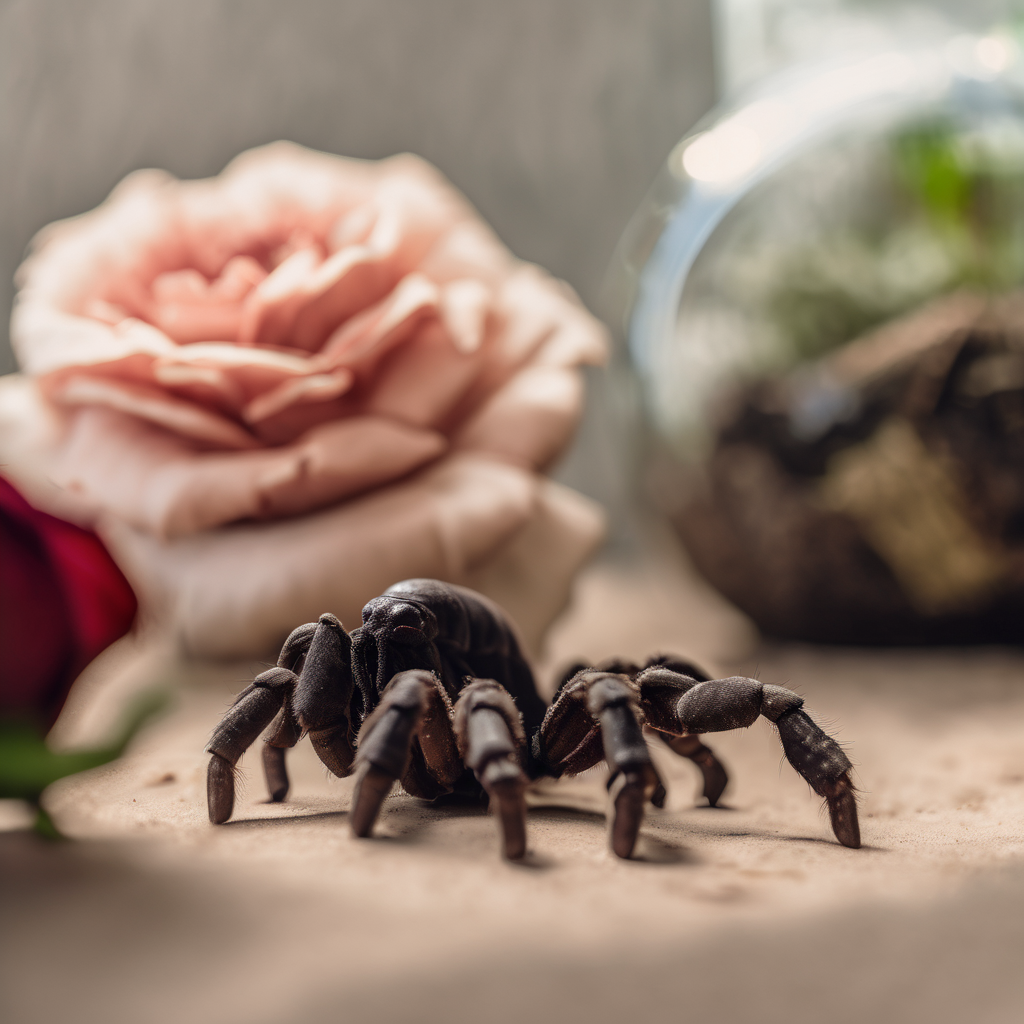
Choosing your first arachnid pet lands you in an unusual crossroads: on one side a scorpion, armored and tail-arched with a stinger that promises real venom; on the other a tarantula, a hairy spider that may flick itching powder and move faster than its reputation allows. Both are low-maintenance, space-efficient, and long-lived compared with most small mammals, and both are sold in pet stores as “beginner” animals. The problem is that “beginner” means very different things in each case, and the traits that make a tarantula forgiving can make a scorpion dangerous, and vice versa.
This guide compares pet scorpions and pet tarantulas across the dimensions that actually matter to a new keeper: venom and safety, handling, enclosure setup, feeding, growth and molting, lifespan, cost, and day-to-day care difficulty. It is written for people who want exactly one of these arachnids and need to decide which. Part of the pet scorpions complete care guide and pet tarantulas complete care guide series.
Quick comparison: scorpion vs tarantula at a glance
| Factor | Scorpion | Tarantula |
|---|---|---|
| Venom risk to handler | Real sting; mild in beginner species, medically significant in some | Urticating hairs only; bite is rare and mild |
| Handling | Not recommended; free-handling risks a sting | Handled often, but stress-free handling is a skill |
| Enclosure size | Small-to-medium (5-10 gal) | Medium-to-large (5-40+ gal by species) |
| Feeding | Live prey; smaller portions | Live/frozen-thawed prey; larger portions |
| Molting care | Fasting and isolation before a molt | Fasting, isolation, and post-molt fragility |
| Lifespan | Females 5-8 yrs (up to 25 in some) | Females 10-30+ yrs |
| Care difficulty | Low; very forgiving of husbandry | Moderate; humidity-sensitive for some |
The sting question: venom and safety
This is where the two diverge most sharply, and where a beginner should start. A tarantula’s primary defense is urticating hairs: it kicks them from its abdomen when threatened, and they irritate skin, eyes, and respiratory passages. Most people tolerate this as a mild, temporary annoyance. A scorpion’s defense is its sting, and while beginner species sting like a bee, the hobby sells species you cannot reliably identify without effort, and some of them are genuinely dangerous.
The safest beginner scorpions (the Asian forest scorpion Heterometrus spiniferous, the emperor scorpion Pandinus cavicolus, and the flat-rock scorpion Ceratogyrus darlingi) deliver a painful but localized sting. The species to avoid as a first arachnid include the deathstalker (Leiurus quinquestriatus) and the Arizona bark scorpion (Centruroides sculpturatus), whose venom can cause severe systemic symptoms — especially in small children and the elderly. Because the pet trade often labels by appearance rather than scientific name, a “large brown scorpion” from an unknown source is a liability you should not accept as a beginner.
Tarantulas have no medically significant venom to humans among the common beginner species (the Chilean rose hair, Mexican red knee, and curly hair are essentially harmless). Their real hazards are mechanical: a fast movement that startles a keeper into dropping the enclosure, or urticating hairs that irritate the eyes. The bite itself, when it happens, is rare and feels like a mild bee sting. For households with small children or immunocompromised members, the tarantula’s risk profile is generally the easier one to manage — you simply keep the enclosure screened and avoid provoking a hair kick.
Handling and interaction
Scorpions should not be handled. They are venomous, they do not seek out interaction, and moving them stresses them and risks both a sting and a dropped, injured molt. The ethical beginner approach is a “hands-off, look-only” policy: observe from the enclosure, and move the animal only when necessary using a soft paintbrush or a wide-mouthed container. If your primary motivation is to touch and hold a pet, a scorpion is the wrong choice and will disappoint you.
Tarantulas are handled more freely, but that freedom is misleading. A tarantula’s exoskeleton is fragile, a fall from even a modest height can kill it, and the stress of being moved can delay the next molt or trigger a fasting period. The best practice is “tarantulas are for looking, not handling,” and the keepers who treat them that way tend to keep healthier, longer-lived pets. If you do handle, do it over a soft surface, never above table height, and never when the tarantula is in premolt (its abdomen looks darker and shrunken).
Which one matches your lifestyle?
If you want a pet you never touch, that occupies a small footprint, and that tolerates temperature swings without fuss, the scorpion is more forgiving. If you want an animal that tolerates gentle handling, that you can watch actively hunt, and that fits a larger, more planted display, the tarantula fits — but it demands more consistent humidity and temperature, and it will not forgive a fall or a rough transfer.
Enclosure and setup
Both need an escape-proof container with ventilation, a substrate for burrowing, a water dish, and a hide. The differences matter on a tight beginner budget. A scorpion does well in a 5-10 gallon tank with 4-6 inches of substrate (coconut fiber or a peat mix), a half-log hide, and a small water dish; it wants a warm side in the low 80s °F and a cool side, though some species are fine at room temperature with a heat mat on one end. A tarantula needs roughly the same, but its enclosure is chosen by the species’ adult size: a terrestrial like a Chilean rose hair is comfortable in a 5-10 gallon tank, while an orb-weaver or a large new-world like a salmon pink needs 20-40 gallons and a taller setup for climbing. Arboreal tarantulas need vertical space and a branch or cork bark anchor.
The shared mistake with both is overcomplicating the setup. A shallow water dish (bottle cap for small species, shallow bowl for large) must be present but must never drown the animal — a common beginner death. Substrate depth should allow for a full molt; too shallow and the tarantula’s legs get stuck in its own shed. Heating is via an under-tank mat on one side (never a heat rock, which burns), controlled by a thermostat. For both animals, the single biggest setup failure is a screen lid that does not fasten securely — a single gap and you are explaining to a partner why a spider or a scorpion is loose in the living room.
Feeding and diet
Both are carnivores and both take live prey, but the prey size and frequency differ. Scorpions eat prey roughly half their carapace length, so a small dubia roach, small cricket, or mealworm is plenty; they typically eat once every 1-2 weeks as adults and may fast for months after molting. Tarantulas eat prey about the size of their carapace or a little less; a large dog is appropriate for a mature Chilean rose hair, while a sling (juvenile spider) needs pinhead crickets and fruit flies. Overfeeding is as common a mistake as underfeeding — an overweight tarantula molts poorly, and an overfed scorpion grows faster than its exoskeleton can keep up with.
Never leave live prey unattended with either animal: a hungry cricket or roach will happily bite a molting scorpion or a molting tarantula, and the injuries are gruesome. Remove uneaten prey after 24 hours for both. Water is via a shallow dish; never mist a tarantula’s enclosure to the point of standing water on the substrate unless the species specifically requires high humidity, because that invites mold and a bacterial bloom that will kill a molt in progress.
Molting and growth
The molt is the central life event for both, and the moment when a beginner keeper is most likely to accidentally kill their pet. Before a molt, the animal fasts and may look shriveled; the tarantula’s abdomen darkens and flattens, the scorpion’s becomes translucent around the joints. During this time you must not feed, must not disturb, and must not handle. After a molt the tarantula is soft and vulnerable for hours to days; a scorpion is similarly delicate. The worst thing you can do is try to help remove the shed — leave it alone and let the animal finish in peace. Provide a humidity hide (a plastic container with a damp paper towel, partially covered) for both so they can rehydrate and finish the shed.
Lifespan and commitment
If you are choosing between the two partly on how long you want to care for the animal, know that tarantulas outlive scorpions decisively. Female tarantulas reach 10-15 years commonly and many species exceed 25; a male Chilean rose hair lives 5-8 years, a male salmon pink 15+. Scorpion females live 5-8 years typically and up to 25 in exceptional cases, but that is the exception. The male scorpion’s life is shorter because males of many species are thin-bodied and stressed by mating attempts. Tarantula sexes are separated by their ultimate molt, and males live only a few years after maturity. Decide whether a decade-plus commitment is something you want before you buy a female of either.
Cost and availability
A beginner scorpion and its setup cost roughly the same as a beginner tarantula and its setup: $50-150 for the animal, $100-200 for a tank and equipment. The real cost difference is time and attention. Scorpions are forgiving; you can forget to adjust humidity for a week and recover. Tarantulas, especially humidity-sensitive species like the Chilean rose hair (which wants the substrate on the drier side) or moisture-loving species like the salmon pink (which wants consistently damp substrate), demand a hygroscope and a routine. Both are dramatically cheaper than a cat or dog in food and veterinary bills, but note that an exotic vet experienced with arachnids is not on every corner — find one before you buy, and confirm they will see a scorpion or a tarantula, because many “exotic” vets only treat reptiles and birds.
Pros and cons at a glance
| Scorpion | Tarantula | |
|---|---|---|
| Pros | Very low maintenance; small footprint; forgiving of husbandry errors; quiet | Visible hunting behavior; many docile beginner species; longer-lived; no venom risk to most handlers |
| Cons | Venomous — not a handling pet; some species dangerously so; identification matters | Fragile; falls can be fatal; molting is high-risk; humidity-sensitive species demand daily attention |
Checklist: before you buy your first arachnid
- Have I located an exotic vet who treats arachnids and confirmed the appointment is possible?
- Do I understand the difference between a safe beginner species and a dangerous one — and can I identify it by scientific name?
- Is my enclosure escape-proof, with a fastening lid and a secure water dish that cannot drown the animal?
- Are my children (if any) old enough to understand “look, do not touch”?
- For a tarantula: do I commit to never handling it as a rule, and only moving it with a soft brush?
Frequently asked questions
Can a pet scorpion hurt me?
In a beginner species, a sting feels like a bee sting and resolves in a day. In a medically significant species it can require hospital treatment. The responsible keeper treats every scorpion as “do not handle” and identifies the species by scientific name.
Can a pet tarantula hurt me?
The bite is mild, but the urticating hairs can irritate eyes and respiratory passages, especially if the tarantula is stressed or the enclosure is opened carelessly. Never bang the enclosure or poke the tarantula, which triggers a hair kick.
Which is easier for a complete beginner?
The scorpion is easier because it forgives husbandry errors and asks for nothing but prey. Choose the tarantula only if you are ready to manage humidity, never handle it, and accept that a fall can kill it.
Do they need special lighting?
Neither needs UVB. Both need a temperature gradient. A low-wattage basking bulb on one side of the enclosure (for heat, not light dependency) works for both; the heat is optional for scorpion species that tolerate room temperature, but helpful in winter.
How often do they molt?
Juveniles molt every few weeks to months; adults molt once or twice a year. After each molt the animal grows, so a small hatchling can surprise you by outgrowing its enclosure faster than expected. Expect to rehome a fast-growing scorpion or tarantula every year or two.
Can I keep more than one?
Most species are solitary and will fight or eat each other if cohabiting. A single animal per enclosure is the correct setup for both scorpions and tarantulas.
Leave a Reply