Leopard Gecko vs Crested Gecko: Which Gecko Is Right for You?
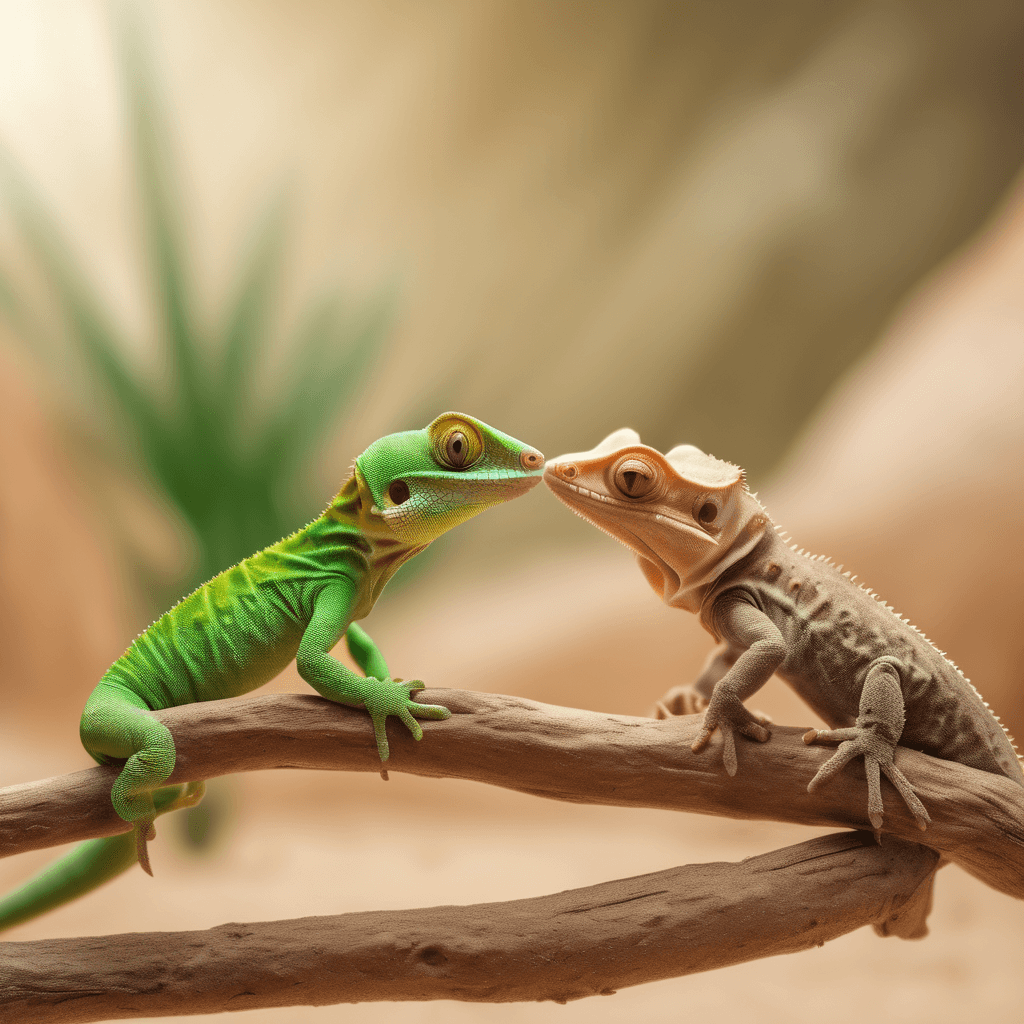
Two of the most popular pet lizards in the world, and they could hardly be less alike. One is a ground-dwelling desert insectivore that lives twenty years; the other is an arboreal fruit-eater that sheds its own skin. Here is an honest side-by-side comparison.
UVB Lighting for Reptiles: What It Does, Who Needs It, and How to Set It Up
UVB is the single most misunderstood piece of reptile equipment. Some species die without it, others never need it, and buying the wrong bulb is as bad as buying none at all. Here is what UVB actually does, which animals need it, and how to build a lighting setup that works.
Amphibian Brumation and Winter Care: What Happens, When to Brumate, and When Not To
Do pet frogs, newts, and salamanders need to hibernate over winter? Brumation can trigger breeding and improve long-term health, but done wrong it kills. This guide explains what brumation is, who should and should not brumate, and how to prepare and monitor your amphibian safely through the cold months.
Scorpion Molting: Signs, Process and How to Help Your Scorpion Through Ecdysis
A scorpion sheds its entire exoskeleton in one piece, and the weeks around that molt are the most dangerous of its life. Learn the early signs, what to do (and not do) during the process, and how to tell a successful molt from a stuck one that needs intervention.
Amphibian Water Quality: Testing, Cycling, and the Parameters That Kill
Amphibians absorb water through their skin, which makes water quality the single variable that decides whether they live. This guide covers the parameters, the test schedule, the nitrogen cycle, and the failure signs that arrive too late if you were not testing.
How to Handle a Pet Scorpion Safely: Tools, Technique and When Not To
Handling a scorpion is never the goal — moving it safely is. This guide covers the tools that remove your hands from the equation, the containment technique for the times there is no alternative, and the four situations where handling should not happen at all.
Reptile Brumation: When, How, and When to Skip It
Brumation is the reptile winter rest period. It is natural for temperate species and dangerous done wrong. Here is how to prepare, cool down, monitor, and warm up safely.
Terrarium Thermostats Explained: Types, Setup, and Why Every Reptile Tank Needs One
Heat mats and lamps without a thermostat are the top cause of reptile burns and death. This guide covers the three thermostat types, correct probe placement, dial calibration, and the failure signs to watch for.
How Often to Feed a Snake: Schedule by Age, Species, and Season
Adult snakes eat every one to two weeks, not daily. This guide breaks down the feeding schedule by age, species, prey type, and season, plus how to tell when a refusal to eat is normal and when it is a vet problem.
Amphibian Health: Warning Signs, Vet Visits, and Preventive Care
Amphibians hide illness until it is advanced. This guide covers the red-flag symptoms, the water-quality tests that prevent most disease, quarantine, and how to find a vet who treats amphibians.

Discover What’s New for Your Pet
Category: Reptiles
Reptile care guides for habitat setup, heating, UVB lighting, substrates, and feeding for bearded dragons, leopard geckos, ball pythons, turtles, and iguanas.