
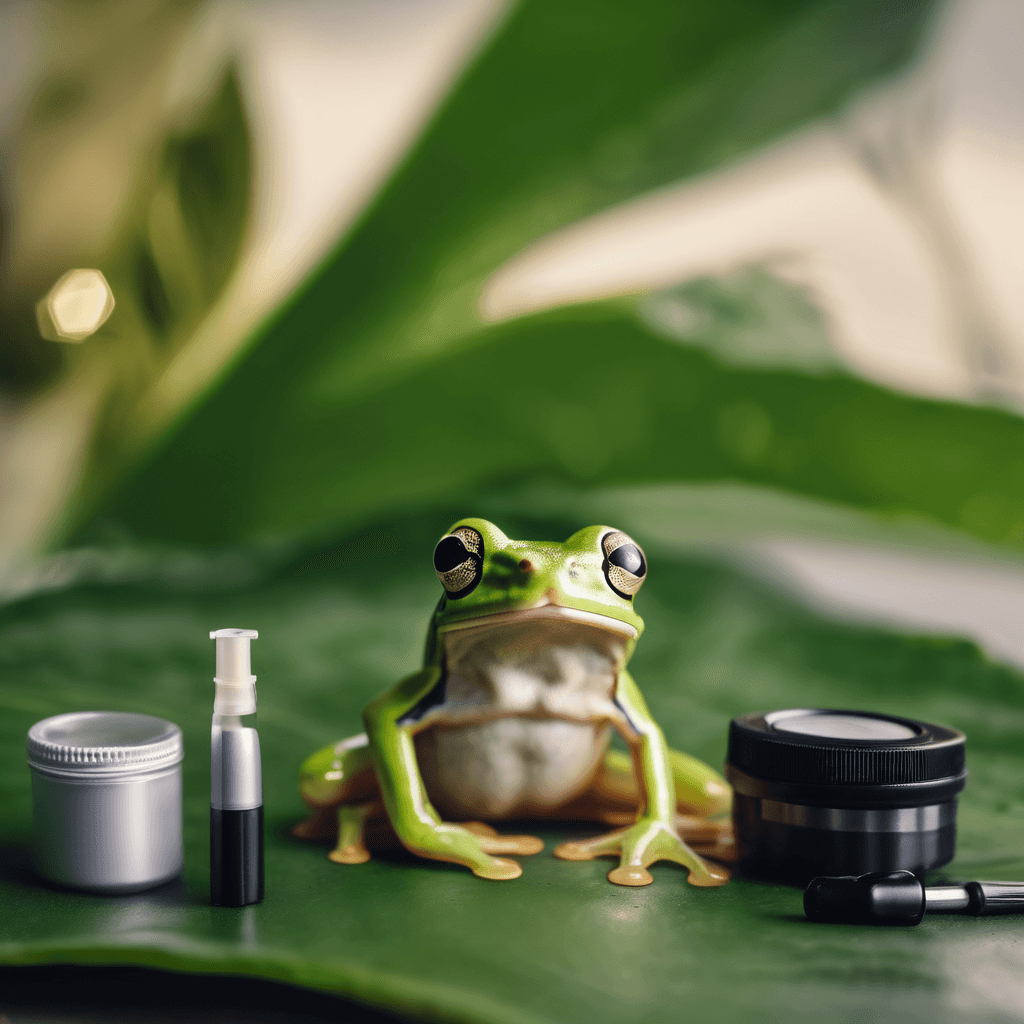
Amphibians are masters at hiding illness — in the wild, showing weakness means being eaten, so the instinct is to look normal until the disease is advanced. By the time a frog or newt looks obviously sick, it is often critical. This guide covers the warning signs that matter, the water-quality testing that prevents most amphibian disease in the first place, the quarantine routine, and how to find a veterinarian who actually treats amphibians. Part of the pet amphibians complete care guide series.
Why Amphibians Hide Illness
- Prey animals — weakness attracts predators, so the evolutionary strategy is to mask symptoms.
- Permeable skin — amphibians absorb water and oxygen (and toxins) through their skin, so water quality problems show up as skin and systemic disease fast.
- Small size — a small frog has little reserve. A few days of not eating, or a minor infection, can become critical quickly.
- Late signs — the obvious symptoms (floating, discoloration, lethargy) appear after the animal is already in trouble.
The practical consequence: you cannot wait for clear illness. You must know the subtle early signs and act on water quality before disease appears.
Daily Observation
A quick daily check catches problems early. Look for:
- Appetite: a frog or newt that suddenly refuses food is the earliest and most important sign. Track feedings.
- Activity level: a normally active animal that spends the whole day hidden and motionless is a flag.
- Posture: a frog that sits with legs splayed awkwardly, or cannot right itself, is in distress.
- Skin: check for redness, ulcers, white fuzzy patches, or unusual sloughing.
- Eyes: cloudy, sunken, or closed eyes indicate dehydration or systemic problems.
- Weight: a visible loss of body condition, especially a sunken area between the eyes, is serious in amphibians.
Red-Flag Symptoms
These require immediate action — water change, review of parameters, and a vet if they persist:
- Red leg (bacterial septicemia): reddening of the underside and legs, lethargy, refusal to eat. Serious and often fatal without treatment. Improve water quality immediately and seek a vet.
- Bloating / dropsy: a swollen, puffy body, sometimes with fluid under the skin. Can indicate fluid imbalance, kidney failure, or infection. A vet matter.
- White fuzzy or cotton-like patches: often a fungal infection (such as saprolegniasis) or, less commonly, “itch” from a parasite. Distinct from normal shedding. Treat and improve water.
- Floating or inability to submerge: can indicate bloating, lung fluid, or systemic illness. See a vet.
- Mouth rot: white patches or erosion around the mouth, loss of appetite. Often bacterial; a vet should guide treatment.
- Sudden color change: many amphibians change color for mood and temperature, but a persistent dull or darkened color with lethargy is a concern.
- Weight loss despite eating: can indicate internal parasites. A fecal check by a vet helps.
The Tests That Prevent Most Disease
Almost every amphibian health crisis traces back to water and environment. Run these tests on a schedule, not just when something looks wrong:
- Ammonia and nitrite: must read zero. Any detectable ammonia or nitrite is an emergency — do an immediate partial water change and stop feeding. This is the most common cause of sudden amphibian death.
- Nitrate: keep low with regular partial water changes. High nitrate is chronic stress.
- pH: match your species’ range and keep it stable. A swinging pH stresses amphibians and damages their permeable skin.
- Temperature: within the species range and stable. Amphibians are ectothermic; the wrong temperature slows digestion and immune function.
- Chlorine/chloramine: all tap water must be dechlorinated before it enters the enclosure. Chlorine burns amphibian skin directly.
Use a liquid test kit that reads ammonia, nitrite, nitrate, and pH. Test strips are convenient but less accurate; for a sensitive amphibian, a liquid kit is worth it. Test weekly, and any time an animal looks off.
Quarantine New Animals
The single best preventive health measure is never to skip quarantine:
- Isolate every new amphibian in its own setup for at least 30 to 60 days. A separate tank prevents disease spread to your established animals.
- Use separate tools — nets, bowls, and hands. Cross-contamination between quarantine and main tanks is how pathogens spread.
- Watch for the lag. A stressed new amphibian can look fine for weeks, then show disease once it settles. The quarantine length accounts for this.
- Feeder safety: only feed captive-bred prey. Wild-caught insects can carry pesticides and parasites that kill amphibians.
Finding an Amphibian Vet
Most small-animal vets do not treat amphibians, and amphibian medicine is genuinely specialized. Start looking before you have an emergency:
- Look for an exotics or herp vet — a veterinarian who lists reptiles and amphibians specifically, not just “exotics.” Search directories for “herp vet” or “reptile vet near me.”
- Call and ask directly — “Do you treat frogs, newts, and salamanders?” Many will take reptiles but not amphibians. Confirm before the emergency.
- Ask about diagnostics — a vet who can run a skin scrape, a fecal, and water-quality-based advice is what you want. A vet who only offers antibiotics is a red flag.
- Have a backup. Amphibian cases are urgent, so know the nearest 24-hour exotic hospital too.
Keep a container with tank water for the vet visit — the water itself is diagnostic and often reveals the cause faster than examining the animal.
First Aid Before the Vet
If an amphibian looks unwell and you cannot reach a vet immediately:
- Test the water first — ammonia or nitrite above zero is the most likely culprit. Do a 50% dechlorinated water change and stop feeding.
- Check temperature — correct it if it has drifted out of range.
- Isolate the sick animal if others share the tank, to limit spread and reduce stress.
- Do not medicate blindly — amphibian skin absorbs everything, and many reptile or fish medications are toxic to amphibians. Let a vet guide treatment.
- Bring a water sample and the animal in a clean, moist container for the visit.
Preventive Care Checklist
- Daily: observe appetite, activity, posture, and skin.
- Weekly: test ammonia, nitrite, nitrate, and pH.
- Regular partial water changes with dechlorinated water.
- Stable temperature and humidity for the species.
- Captive-bred feeders only; dust insects with calcium and a amphibian-safe vitamin.
- Quarantine every new arrival for 30 to 60 days.
- Separate tools per tank; wash hands between enclosures.
- Know your amphibian vet before you need one.
Frequently Asked Questions
Why is my frog suddenly not eating?
Refusal to eat is the earliest sign of illness or environmental stress. Check water parameters first — ammonia or nitrite, temperature, and pH. If the water is fine and it persists more than a couple of feedings, especially with other signs like lethargy or skin changes, see a vet.
My frog has white fuzzy patches. What is it?
White cotton-like patches are often a fungal or water-mold infection, distinct from the thin, translucent shed amphibians produce normally. Improve water quality with a partial change and see an amphibian vet for diagnosis and treatment — do not guess with medications.
How do I know if water quality is making my amphibian sick?
Test it. Any detectable ammonia or nitrite is an emergency and the most common cause of sudden illness and death. A liquid test kit reading zero ammonia and zero nitrite, with stable pH and low nitrate from regular changes, is the baseline for a healthy amphibian.
Can I use reptile or fish medicine on my frog?
No. Amphibian skin absorbs chemicals rapidly, and many medications safe for reptiles or fish are toxic to amphibians. Never medicate without a vet who treats amphibians.
The Bottom Line
Amphibian health is mostly water quality and early observation. Refusal to eat is your earliest alarm, and any detectable ammonia or nitrite is an emergency — do a dechlorinated water change and stop feeding immediately. Know the red flags: red leg, bloat, white patches, mouth rot, and inability to submerge. Quarantine every new arrival, feed only captive-bred prey, and keep tools separate between tanks. Most of all, line up an amphibian vet before you need one, because the species that hide illness the best also decline the fastest. Get the full setup in the pet amphibians complete care guide.
Leave a Reply