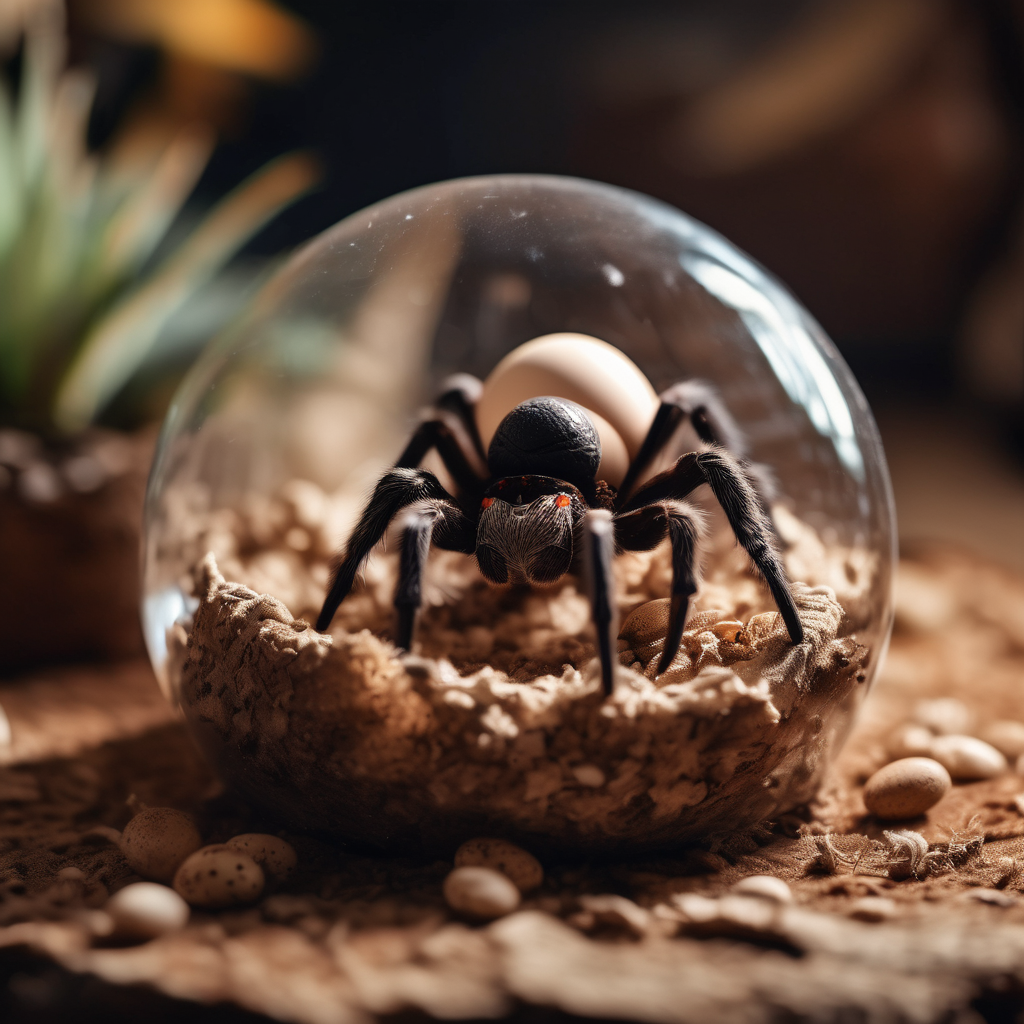
Tarantula Egg Sac Care: Incubation Temperature and Hatching
A tarantula egg sac needs the right temperature, humidity, and patience. Learn how to tell a fertile sac from a dud, whether to incubate it or leave it with the mother, and how to raise the slings that emerge.
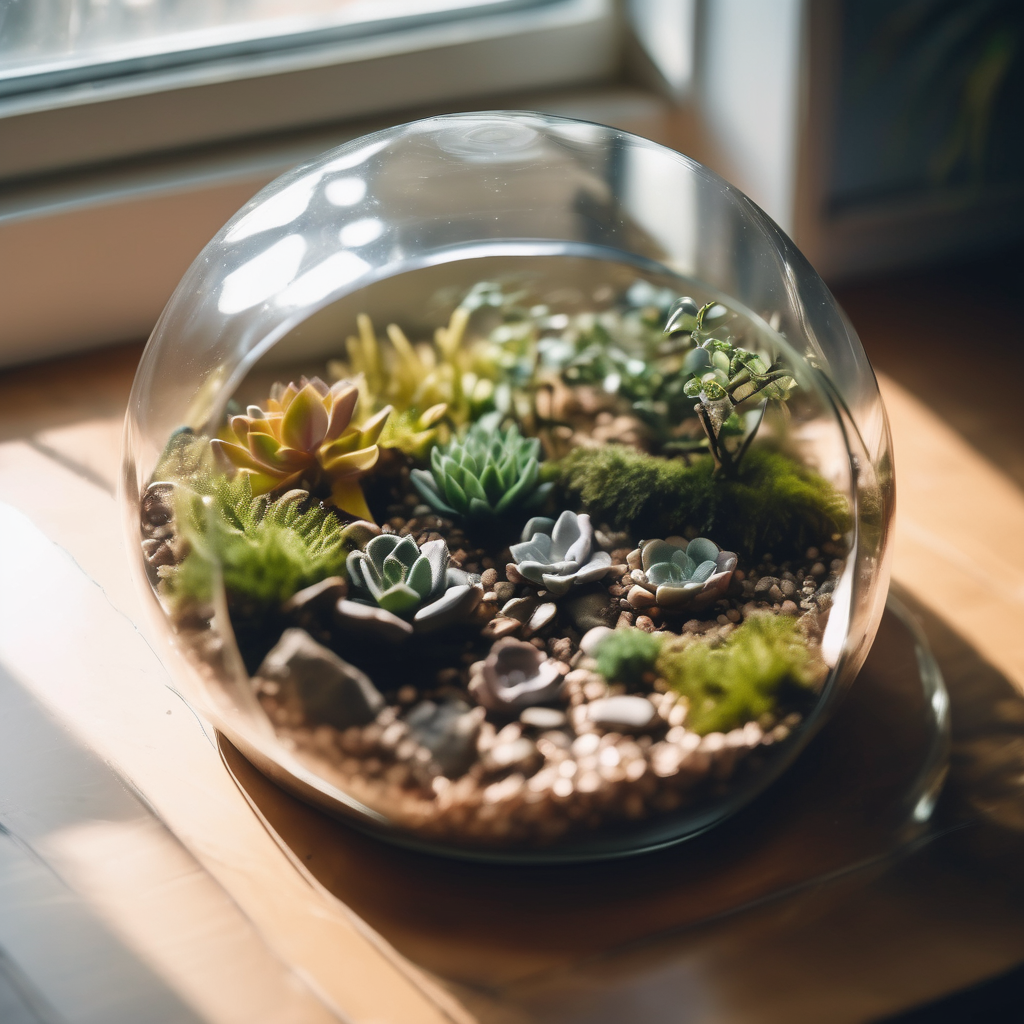
How to Cycle a Terrarium: Biological Filtration for Reptile Enclosures
Cycling a terrarium means growing the bacteria that convert toxic ammonia into harmless nitrate. Learn which reptile setups need it, the step-by-step fishless method, how long it takes, and the warning signs of an uncycled enclosure.
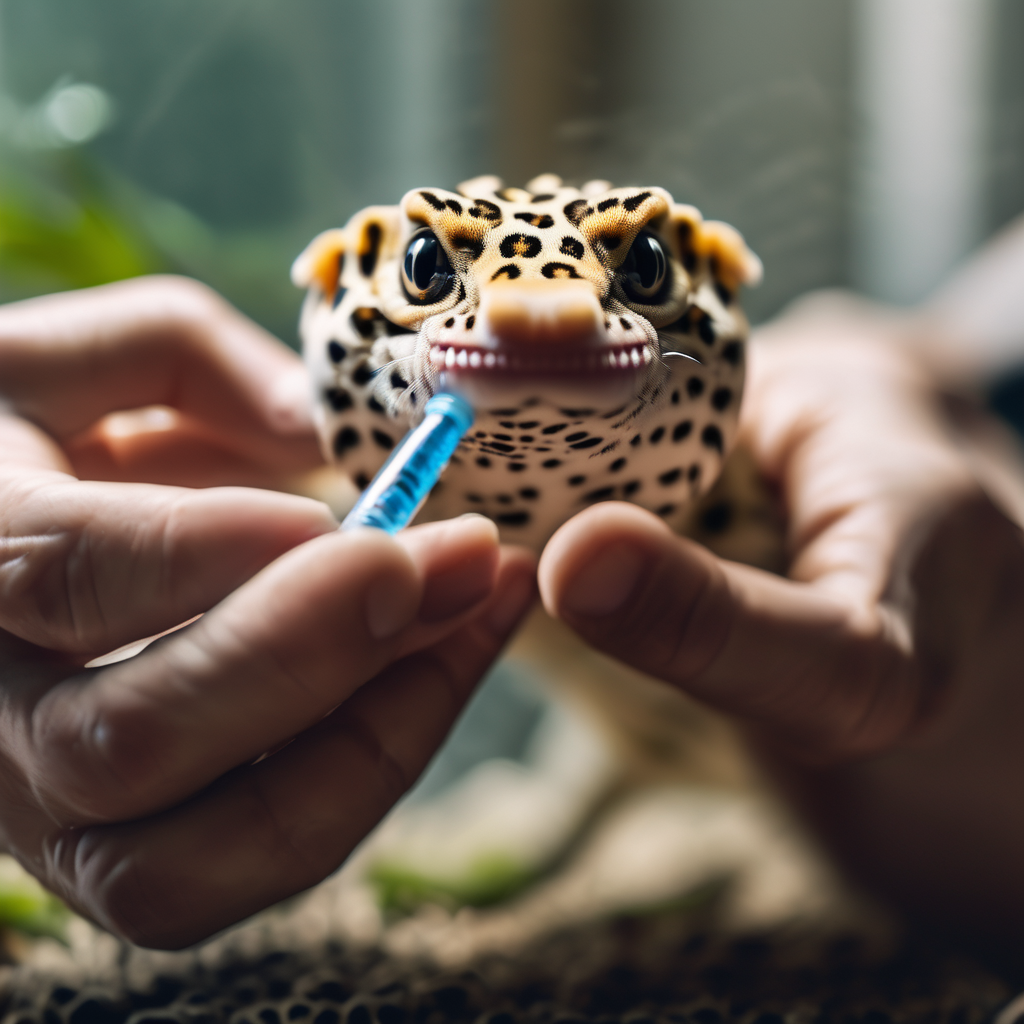
How to Give a Reptile Medication: Oral Dosing, Topicals, Injections, and Assist-Feeding
A practical keeper’s guide to giving reptile medication at home — how to dose orally without aspiration, apply topicals safely, support your vet’s injection instructions, and assist-feed a snake or lizard that has stopped eating.
Bringing Home a New Reptile: The First 30 Days (Quarantine, Settling, and When to Intervene)
A week-by-week plan for the first month with a new reptile — setting up before day one, running a proper quarantine, reading settling behaviour, and knowing when a shy animal is sick rather than stressed.
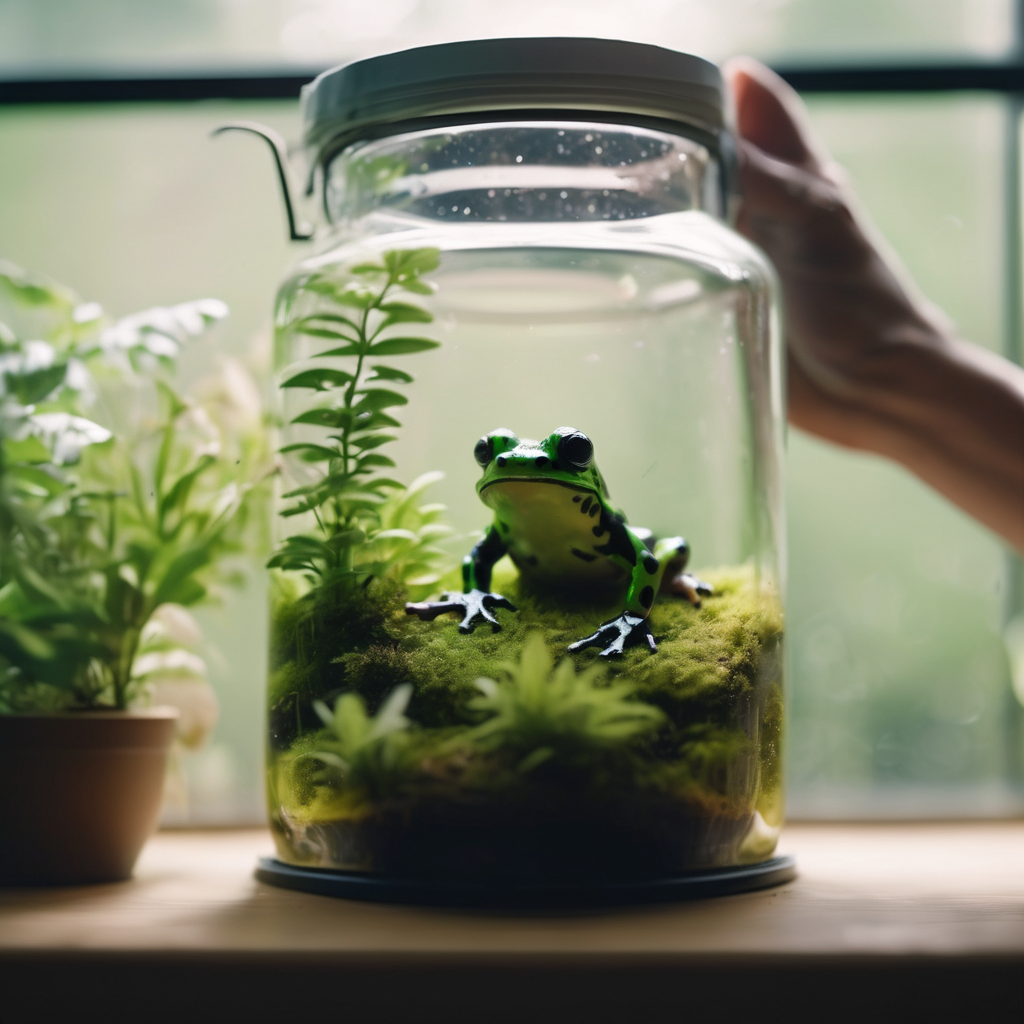
How to Clean an Amphibian Tank: Safe Disinfectants and a Cleaning Schedule
A practical amphibian tank cleaning guide — what you can and cannot disinfect, why bleach and vinegar are both wrong for frogs, and a daily, weekly, and deep-clean schedule that keeps water quality stable without stressing the animals.
Tarantula Mites and Parasites: How to Spot, Treat, and Prevent Infestations
A practical guide to the parasites that actually affect pet tarantulas — mites, booklice, nematodes, and phorid flies — how to tell them apart, and the treatment and prevention steps that work without harming the spider.
Reptile Power Outage Plan: How to Keep Your Tank Warm Without Electricity
A power cut takes every heat source offline at once and a glass terrarium starts cooling immediately. This guide covers how long a reptile setup actually survives an outage, the shoebox emergency kit to buy in advance, exactly what to do minute by minute, safe passive heating, and how to restart without cooking or chilling…
How to Tell If Your Snake Is Dehydrated: Signs, Causes and Safe Rehydration
Dehydrated snakes crease at the neck, dull in the eyes, shed badly and then refuse food — often for weeks before anything looks wrong. This guide shows how to read a snake’s hydration, run the skin-tenting test, fix the enclosure causes, rehydrate safely at home, and recognise the signs that need an exotic vet.
Bearded Dragon vs Leopard Gecko: Which Pet Lizard Is Right for You?
The two most popular beginner lizards ask completely different things of you. This side-by-side comparison covers size, lifespan, enclosure cost, heating, UVB, humidity, diet, handling, noise, travel and vet availability — with a plain verdict for apartments, kids, first-time keepers and people who are away from home a lot.
How to Soak a Reptile: When Soaking Helps, When It Hurts, and How to Do It Safely
A soak is the cheapest reptile treatment in the hobby — and the most misused. This guide explains when a soak genuinely helps (stuck shed, constipation, dehydration, shipping recovery), when it does harm, the exact water depth and temperature for snakes, geckos, tortoises and frogs, and the five-minute routine that keeps the experience safe.

Discover What’s New for Your Pet
Category: Reptiles
Reptile care guides for habitat setup, heating, UVB lighting, substrates, and feeding for bearded dragons, leopard geckos, ball pythons, turtles, and iguanas.