
Designing a Pets Safe Yard from the Ground Up
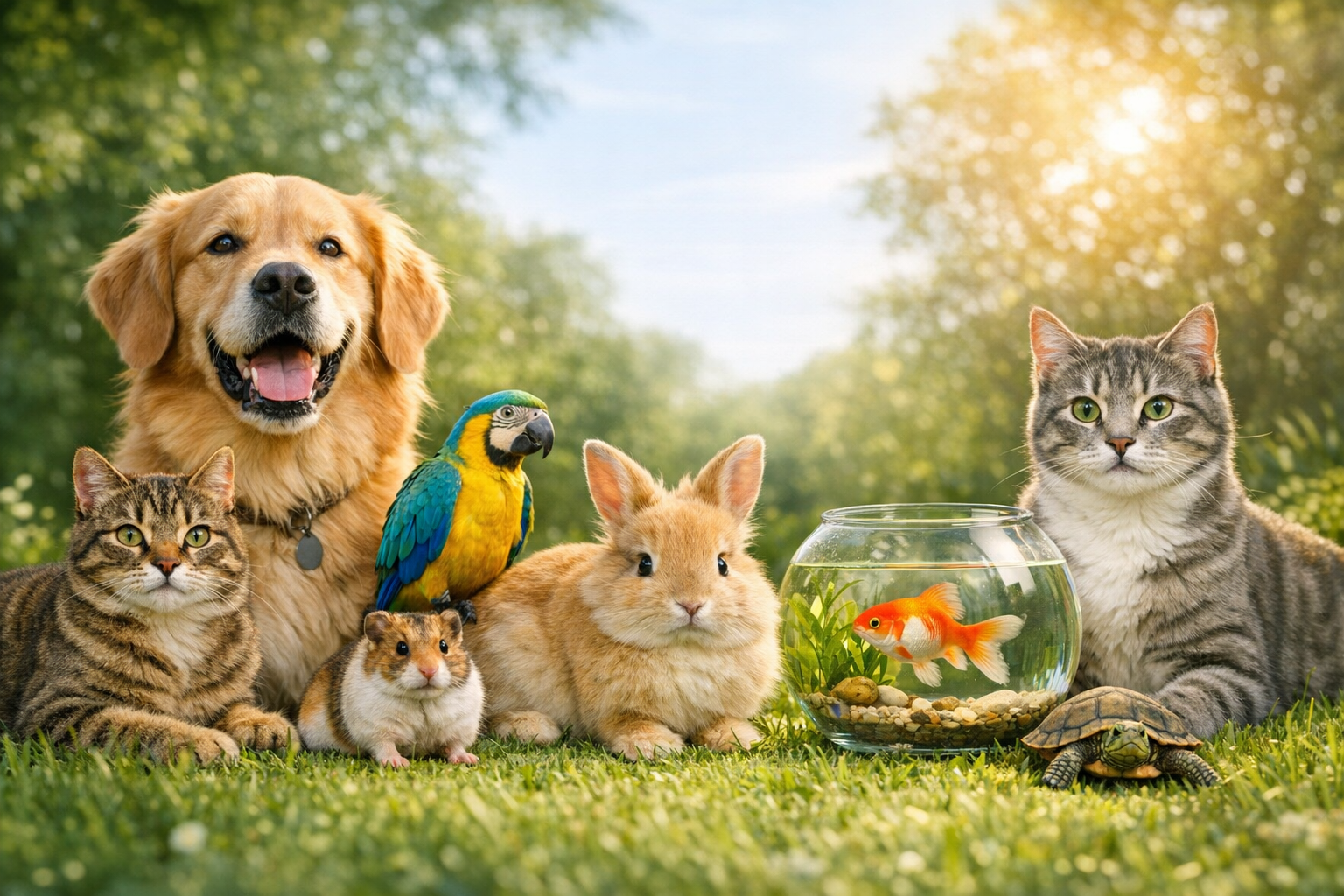
Creating a pets safe yard is one of the most thoughtful projects you can undertake as a pet owner. It transforms an ordinary outdoor space into a secure, healthy environment where dogs and cats can explore, rest, and play without hidden dangers.
A truly pets safe yard begins long before you plant the first flower or set the fence posts. Taking time to plan around your animal’s specific habits and vulnerabilities sets the stage for long-term success and fewer stressful surprises.
Assess Your Pet’s Needs
Start by observing how your pet uses your current yard. A young, energetic dog may need open running lanes, while an older cat might prefer quiet, shaded corners with soft ground cover.
Chewing, digging, and climbing behaviors all influence design choices. If your dog loves to nibble greenery, plant selection becomes even more critical for a pets safe yard.
Choosing the Right Ground Cover
Many common lawn grasses hold up well under paw traffic, but some pets develop allergies from grass pollen or dust. Consider mixing in clover, which stays soft, resists urine spots, and rarely triggers skin irritation.
Avoid ornamental gravel that can cut sensitive paw pads. Smooth river rock, shredded cedar mulch, or compacted decomposed granite offer safer surfaces while still looking tidy.
Choosing Non-Toxic Plants for a Pets Safe Yard
Landscaping is often the centerpiece of a yard, American Kennel Club but many popular plants can be toxic to curious animals. Every plant you place in the ground should pass a strict safety check before it finds a home in your pets safe yard.
Even plants that are safe in small amounts can cause stomach upset if eaten in large quantities. Position fragile ornamentals behind barriers and keep the most pet-friendly species near play zones.
Safe Flowers and Shrubs
Marigolds, sunflowers, petunias, and zinnias add bright color without posing a threat to dogs or cats. For shrubs, bottlebrush, hawthorn, and crepe myrtle deliver structure and spring blooms safely.
Herbs such as rosemary, thyme, and basil are aromatic, hardy, and completely pet-friendly. Plant them along paths where passing animals might brush against the foliage and release their scent.
Plants to Avoid Entirely
Lilies, azaleas, oleander, and sago palm are among the most dangerous for pets, causing symptoms from vomiting to severe organ damage. Even fallen leaves or petals from these plants can be hazardous.
Tulip bulbs and daffodils also rank high on the risk list. In a pets safe yard, it is wise to remove any existing toxic species or isolate them completely in fenced-off sections that pets cannot access.
Securing Fencing and Boundaries in Your Pets Safe Yard
A sturdy perimeter is the backbone of a pets safe yard. Without reliable boundaries, even the best interior design means little when a determined animal finds a way to escape.
Evaluate your fencing from your pet’s perspective. Many dogs can jump higher than owners expect, and small gaps that seem invisible to you can become an exit route for a nimble cat or small dog.
Height and Material Considerations
Wood privacy fences at least six feet tall work well for most dogs, while chain link offers durability but may need privacy slats to deter climbing. For cats, consider a fence with an inward-curved top extension to prevent jumping.
Vinyl fencing provides a smooth, splinter-free surface that resists chewing. Whichever material you choose, bury the bottom edge several inches underground to block digging along the perimeter.
Digging Deterrents and Escaping Prevention
For dogs that tunnel, install a buried wire apron or line the base with large pavers. Some owners place a strip of chicken wire just below the soil surface, which feels uncomfortable on paws but does not cause injury.
Regularly inspect fence lines for loose boards, rusted staples, or gaps forming after heavy rains. A quick walk along the boundary every week can prevent a preventable escape from your pets safe yard.
Eliminating Chemical Hazards for a Pets Safe Yard
Conventional lawn treatments, weed killers, and pest repellents introduce toxins that animals can absorb through their paws or ingest while grooming. A pets safe yard demands a shift toward natural maintenance routines.
Many of these chemicals linger far longer than label instructions suggest. Rain and irrigation can wash residues into puddles where pets drink, turning a simple lawn application into a serious health risk.
Pet-Safe Fertilizers and Mulch
Choose organic fertilizers made from bone meal, fish emulsion, or composted yard waste. These break down safely and do not leave behind concentrated salts that burn paws or cause digestive upset.
Cocoa bean mulch carries the same toxic compounds as chocolate and must be avoided entirely. Instead, use untreated wood chips, straw, or shredded pine bark in garden beds throughout your pets safe yard.
Natural Weed and Pest Control
Hand-pulling weeds and applying corn gluten meal as a pre-emergent are safe, non-toxic alternatives. Boiling water or vinegar-based sprays can tackle patio weeds, but always rinse areas before letting pets explore.
For insect pests, diatomaceous earth and beneficial nematodes reduce flea and tick populations without poisons. Cedar oil sprays offer mosquito repellent properties that are safe when dried.
Creating a Comfortable Play Area in Your Pets Safe Yard
Exercise and mental stimulation are essential for a happy pet. A well-planned play zone within your pets safe yard channels energy into positive outlets and reduces boredom-induced chewing or digging.
Designate a specific section where digging is allowed, such as a sandbox, and reward your dog for using it. This simple redirection protects your flower beds while acknowledging natural instincts.
Designing for Play and Exercise
Agility equipment like low hurdles, tunnels, and weave poles can be built from PVC pipe for a fraction of the cost of commercial kits. Rotate toys weekly to keep your pet’s interest alive.
For cats, install sturdy climbing posts, platforms, or a catio extension that merges indoor and outdoor living safely. Hanging toys from tree branches encourages leaping and batting in a contained, supervised way.
Providing Water and Cooling Stations
Always keep fresh, clean water available in multiple locations. Pet water fountains with charcoal filters stay cool longer and entice animals to drink more during hot weather.
Set up a shallow splash pool or misting station in a shaded corner. Even a simple sprinkler timed for morning use turns the yard into a cooling playground while watering the lawn at the same time.
Providing Shade and Shelter for a Pets Safe Yard
Protection from sun, rain, and wind is as important as the play features themselves. A pets safe yard includes sheltered spots where animals can regulate their body temperature and feel secure.
Overheating happens faster than many owners realize, especially in breeds with flat faces or thick coats. Multiple shade sources ensure your pet always has a comfortable retreat, no matter the time of day.
Natural Shade Options
Fast-growing trees like red maple, river birch, and tulip poplar create broad canopies within a few years. Position them on the west and south sides of the yard to block the strongest afternoon sun.
If you lack space for large trees, tall ornamental grasses, trellised vines, or shade sails can cast cooling shadows over key resting spots. Even a row of sunflowers offers surprising midday relief.
Shelter Structures
A raised dog house with proper ventilation and a sloped roof keeps your pet dry during rain showers and provides insulation from hot ground temperatures. Line the interior with cedar shavings to naturally repel fleas.
For multi-cat households, outdoor cat houses with multiple entrances allow quick escape and reduce territorial tension. Place shelters in quiet corners away from walkways so animals can rest undisturbed.
Maintaining a Pets Safe Yard Year-Round
A pets safe yard requires consistent seasonal attention to stay clean, secure, and beautiful. Developing a simple maintenance calendar prevents small issues from growing into major hazards.
Each month brings different challenges, from spring puddles that breed mosquitoes to autumn leaf piles that hide ticks. Stay ahead of seasonal shifts, and your yard will remain a safe haven all year long.
Seasonal Tasks
In spring, check fencing after frost heave and reseed bare patches with pet-safe grass. Summer demands frequent water bowl cleaning, algae prevention, and mowing at a higher setting to keep roots strong.
During fall, promptly clear away fallen fruit, mushrooms, and leaf litter that could contain mold or toxins. Winter care includes insulating outdoor water sources and checking shelters for drafts or moisture buildup.
Regular Inspections
Walk the property weekly with eyes trained at pet level. Look for broken glass, sharp sticks, ant mounds, or wasp nests tucked into fence corners and under decking.
Examine gates and latches to confirm they close firmly. A single loose hinge can let a clever dog nudge the gate open and travel far beyond the safety of your pets safe yard.
Enjoying Your Pets Safe Yard for Years to Come
Beyond the practical steps, a pets safe yard nurtures a deeper bond between you and your animal. Watching your dog nap in the dappled shade or your cat bat at a butterfly in total safety is the ultimate reward for your effort.
When you prioritize their health and happiness in outdoor spaces, you give your pets the gift of freedom without worry. Each season brings new opportunities to refine and enjoy this pets safe yard together, knowing you have built a place truly designed with their well-being in mind.
Leave a Reply