
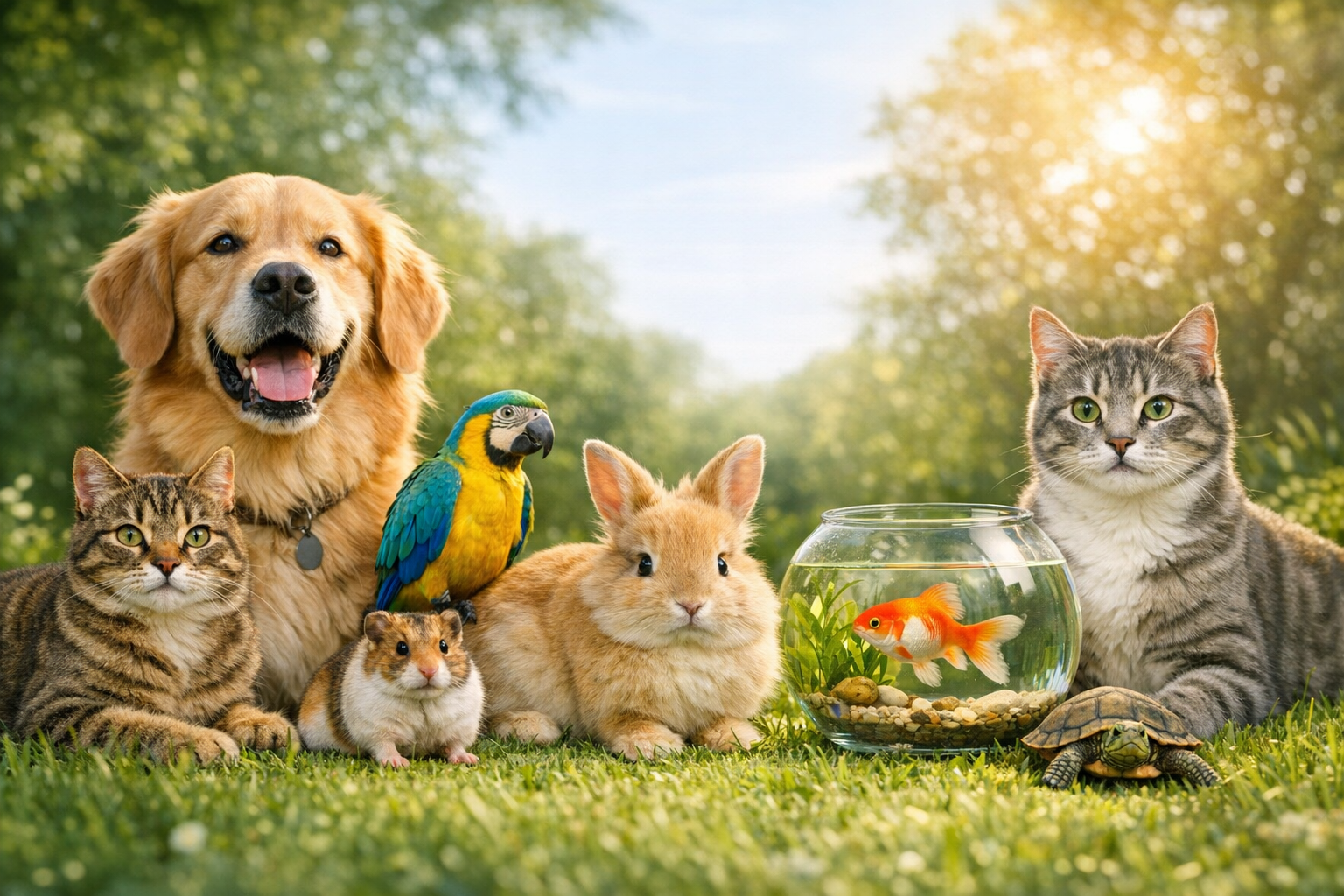
Understanding Pet Toys Safety
Understanding pet toys safety begins with recognizing that not all toys are created equal. Every item you hand to your dog, cat, or small animal carries some level of risk, from choking hazards to toxic chemicals. Your awareness and daily habits form the real foundation of pet toys safety in your home.
Too many pet owners assume products on store shelves must be safe. In reality, there is limited federal oversight of pet toy manufacturing, and some companies cut corners. Education is your first and best line of defense.
Common Hazards That Threaten Pet Toys Safety
Choking is the most immediate danger tied to poor pet toys safety. Pieces that break off, squeakers that come loose, or toys that are simply too small can block your pet’s airway in seconds. Always choose items that are larger than your pet’s open mouth to significantly lower this risk.
Internal blockages are another silent threat. Dogs, in particular, may swallow toy fragments that then lodge in the stomach or intestines. Emergency surgery is often the only solution, and even then the outcome is not guaranteed.
Toxic materials often hide in plain sight. Some imported toys contain lead, cadmium, or phthalates that leach out over time. Soft plastics and painted surfaces deserve extra scrutiny because pets chew, lick, and ingest tiny particles every day.
Sharp edges and hard points can cause lacerations to gums, tongues, and paws. Even a well-loved rope toy can fray into strings that wrap around limbs or, worse, tangle inside the digestive tract. Spotting these dangers early is a core part of pet toys safety.
How to Select Materials That Support Pet Toys Safety
Natural rubber is one of the most reliable American Kennel Club materials for chew toys. High-quality natural rubber is durable enough to withstand aggressive chewers yet soft enough to protect teeth and gums. Look for products labeled as non-toxic and free from chemical softeners.
Organic cotton and hemp ropes offer a safer alternative to synthetic fibers that may contain dyes and petroleum-based coatings. Untreated fibers break down more predictably if swallowed, though no rope toy is completely without risk. Trim off loose strands the moment you see them.
Stainless steel components, often found in puzzle toys, can be a clean, non-reactive choice. Make sure any metal parts are securely embedded and free from rust or flaking finishes. Plastic parts should be BPA-free and clearly marked as food-grade if your pet will spend hours gnawing on them.
Scented and flavored toys often hide chemical additives behind the label “natural flavor.” If a toy has an unusually strong plastic or fruity smell, trust your nose and leave it on the shelf. True pet toys safety means questioning everything your pet puts in its mouth.
Size and Shape Guidelines for Pet Toys Safety
A toy that is too small can vanish down a large dog’s throat in one gulp. A toy that is too large can strain a small dog’s jaw or discourage healthy play. Measure the toy against your pet’s muzzle and choose something that cannot fit past the back molars.
For dogs, the ball test is a simple rule: if a ball fits easily past the canine teeth and into the throat, it is dangerous. Even balls with holes can create a suction seal that blocks breathing. Every size choice you make is a direct investment in pet toys safety.
Cats face similar risks with tiny bells, feathers, and plastic eyes that can break off. Look for one-piece designs or welded components that can’t be gnawed free. A feather wand should never be left lying around because the string and small parts spell disaster.
Irregular shapes can sometimes be beneficial. Oddly shaped chew toys prevent a solid grip that leads to large pieces being torn off. A textured, bumpy bone often confuses a dog just enough to slow down aggressive chewing without destroying the toy in minutes.
Supervision and Interaction Boost Pet Toys Safety
No toy is completely safe without supervision. Staying in the room while your pet plays lets you notice the first squeak that sounds wrong or the first crack in a plastic seam. Your presence alone is a powerful layer of pet toys safety that no product can replace.
Interactive play sessions build a bond and allow you to control the toy’s movement. When you hold the tug rope or wave the feather wand, you decide when the game ends and the toy goes back in a locked cabinet. Structured play reduces the chance of unsupervised destruction.
Even during independent play, periodic check-ins take only seconds. A quick glance can catch a stuffing leak or a split seam before your pet swallows the evidence. Make it a habit to scan the floor for debris after every play session.
Rotate toys rather than leaving every option out at once. This keeps your pet interested and reduces the wear on any single item. A toy that spends less time in constant use stays structurally sound for much longer.
Cleaning Routines That Protect Pet Toys Safety
Bacteria and mold love the warm, damp surface of a well-licked toy. Without regular cleaning, your pet is essentially chewing on a biofilm of germs that can cause mouth infections or stomach upsets. Wash hard toys in hot, soapy water at least once a week.
Soft toys can often go into the washing machine on a gentle cycle with pet-safe detergent. Avoid fabric softeners and bleach, which leave residues that harm your pet. Sun drying provides a natural antimicrobial boost without the chemicals.
Rope toys present a special challenge because they absorb saliva and never truly dry out inside. Replace them every month or two, and in between deep cleans, microwave damp rope toys for thirty seconds to kill surface bacteria. Just make sure there are no metal threads first.
Inspect every toy during cleaning for cracks, missing pieces, or a rough texture that wasn’t there before. If you wouldn’t let a toddler put it in their mouth, the same rule applies to your pet. A clean but structurally compromised toy still fails pet toys safety standards.
Pet Toys Safety Across Different Life Stages
Puppies and kittens explore the world mouth-first, making them especially vulnerable to poorly made items. Their baby teeth can break off sharp plastic fragments and their stomachs are easily irritated. Choose soft, size-appropriate toys designed specifically for young animals.
Adult pets in their prime often have powerful jaws and a strong drive to shred. Even a toy marketed as indestructible will eventually break down under determined chewing. Accept that no toy lasts forever and budget for replacements as a routine part of pet toys safety.
Senior pets may have worn teeth, receding gums, or slower reflexes. A toy that is too hard can crack an aging tooth, leading to pain and infection. Switch to softer rubber compounds and avoid hard nylon bones that demand grinding force.
Pets with chronic conditions such as arthritis or vision loss need toys that are easy to locate and gentle to grip. Add a slight scent with a dab of natural peanut butter rather than relying on synthetic attractants. Comfort and safety go hand in hand here.
Creating a Safe Play Environment at Home
A dedicated toy box keeps chaos under control and limits your pet’s access to damaged goods. Choose a container without a heavy lid that could slam shut on curious noses or paws. The goal is easy retrieval by you, not by your pet.
Floor-level hazards multiply fast inside a busy household. Shoes, children’s small parts, and remote controls become unintended chew targets if proper toys are not within reach. Place a few approved items in every room where your pet spends time.
Outdoor play introduces weather damage and wildlife residue. Tennis balls left in the rain grow mold inside, and sticks can splinter into oral daggers. Bring all toys indoors after each session and store them in a dry, shaded spot.
Multiple-pet homes require careful monitoring because one animal might steal and swallow another’s size-inappropriate toy. Separate dogs during high-value chew time and pick up all toys when you cannot supervise. This simple practice prevents frantic vet trips.
Recognizing Red Flags in Toy Packaging
Labels can be misleading, so learn to read between the lines. “Veterinarian approved” means little if the vet was paid for an endorsement. Instead, look for specific safety certifications from independent testing labs or the manufacturer’s full material disclosure.
Country of origin matters more than most buyers realize. Some regions have looser chemical restrictions, and toys manufactured there may contain heavy metals or phthalates. When in doubt, contact the company directly and ask about their pet toys safety testing protocols.
Vague terms like “natural” or “eco-friendly” are marketing buzzwords without legal definitions. A toy can be labeled green and still be made from recycled materials containing contaminants. Demand transparency about the entire supply chain before trusting your pet’s health to a product.
Age and weight guidelines printed on the package are not suggestions. They exist because the toy has been tested within those parameters. Choosing a size meant for a Chihuahua for your Labrador is a gamble that often ends in obstruction surgery.
DIY Toy Projects and Pet Toys Safety
Homemade toys can be wonderful when built with care. An old T-shirt braided into a tug rope costs nothing and avoids chemical dyes. However, any DIY project must follow the same strict pet toys safety rules as store-bought items.
Never use materials that fray into long strings, such as yarn or dental floss. These become linear foreign bodies in the gut and require immediate surgical removal. Stick to tightly woven fleece or denim that breaks into short, harmless fibers.
Food-dispensing toys made from clean yogurt cups or egg cartons work well for supervised short sessions. As soon as the plastic starts to crack or the cardboard turns to mush, discard it. Temporary toys are wonderful until they become dangerous trash.
Always supervise the first few uses of a new homemade toy closely. What seems sturdy in your hands might crumble under determined puppy teeth. Record what works and what fails so your next crafting session becomes even safer.
Emergency Response When Pet Toys Safety Fails
Even the most careful owner faces a toy-related crisis at some point. Keep your veterinarian’s emergency number saved and learn the basic signs of choking, blockage, and poisoning. Minutes matter when a toy has been swallowed or become lodged in the throat.
Choking signs include pawing at the mouth, gagging, drooling, and blue-tinged gums. If you can safely sweep a visible object out with your finger, do so, but never push blindly. In many cases, a quick drive to the clinic is the only correct move.
Intestinal blockages present with vomiting, lethargy, and a tucked-up belly. Your pet may stop eating or pass only small amounts of diarrhea. Any suspicion of a blockage warrants immediate imaging, because waiting risks tissue death and sepsis.
Save the packaging or remnants of the toy to show your vet. Knowing the material helps decide on treatment paths. Having this information ready supports not just your pet’s recovery but also any reporting needed to hold manufacturers accountable for poor pet toys safety.
Building a Pet Toys Safety Checklist for Your Home
Print a simple checklist and stick it near your pet supplies. Include items like “inspect for cracks,” “wash toys this week,” “check for loose parts,” and “replace rope toy.” A visible reminder makes safety a daily habit rather than an occasional thought.
Schedule a monthly deep audit of all toys in the house. Give each one a thorough squeeze, twist, and visual once-over. Anything that fails gets thrown away immediately, no matter how much your pet loved it. Sentimentality cannot override pet toys safety.
Involve the whole family in toy accountability. Children should know that broken toys go straight into the bin, not back into the toy box. Praise everyone who spots a hazard and reports it, creating a culture where safety is everyone’s job.
Take a photo of your pet’s regular toy lineup and keep it on your phone. If a piece ever goes missing, you can quickly identify which toy is incomplete and alert your vet with the exact description. This small step has saved countless lives.
The Hidden Link Between Dental Health and Pet Toys Safety
A worn toy with rough edges scrapes gums and wears down enamel over time. Chronic low-level mouth trauma leads to infections that enter the bloodstream. Hard nylon bones that cannot be dented by a fingernail are likely too hard for teeth as well.
Soft rubber toys massage gums and help scrape plaque when they have the right texture. However, any toy becomes a bacteria reservoir if not cleaned. Dental health and toy hygiene are inseparable aspects of pet toys safety that many owners overlook.
Check your pet’s mouth regularly for chipped teeth, red gums, or a sudden avoidance of favorite toys. These signals often point to a toy causing damage that you didn’t notice during inspections. Your vet can help you identify which items are safe for your pet’s specific bite.
Seasonal Tips for Maintaining Pet Toys Safety
Winter brings dry air that can make rubber brittle and more likely to crack. Store toys indoors at room temperature and avoid leaving them in the car overnight. A frozen toy that shatters on first bite becomes an instant hazard.
Summer heat accelerates bacterial growth in damp toys. After a pool session or a slobbery tug game, rinse the toy immediately and let it dry fully in the sun. Leaving a wet toy in a dark bag creates the perfect conditions for mold and mildew.
Holiday seasons introduce new dangers like turkey bones, ribbons, and novelty pet stockings filled with unregulated trinkets. Stick to your known safe brands and keep festive decorations far out of reach. A single swallowed ornament hook can puncture internal organs.
Travel and boarding often mean unfamiliar toys enter the mix. Pack your pet’s own well-vetted favorites and politely decline any toy you cannot identify. A vacation is the worst time to gamble on pet toys safety.
How Retailers and Brands Can Improve Pet Toys Safety
As a consumer, you hold more power than you think. Write to companies that use vague labeling and demand full ingredient lists. Support brands that publicly share their third-party test results and invest in continuous improvement of their products.
Leave detailed, honest reviews about product durability and any safety issues you encountered. Other pet parents rely on your experience to make informed choices. Your single review might prevent a family from experiencing a devastating loss.
Retailers should prominently display safety information and refuse to stock items with known hazards. Vote with your wallet and shop at stores that prioritize transparent sourcing. Collective pressure shapes the industry faster than any regulation.
Report all toy-related injuries to the manufacturer and to consumer protection agencies. Documentation creates a paper trail that can eventually force recalls of dangerous items. Pet toys safety on a broad scale depends on every owner sharing their stories.
Making Pet Toys Safety a Daily Priority
At its heart, pet toys safety is not about expensive gadgets or endless anxiety. It is a simple commitment to paying attention, choosing wisely, and never ignoring the small warning signs. Every day you protect your pet, you strengthen the trust that makes your bond special.
Start with one new habit today, whether that’s checking a toy for cracks or washing the slobbery ball in the yard. Over time, these tiny acts weave together into a comprehensive shield. Your pet depends on you to be the expert.
Stay curious and never stop learning about the evolving research around materials and design. The best toy manufacturers listen to customer feedback and improve each year. As a responsible owner, you grow right along with them.
When you prioritize pet toys safety, you give your companion the freedom to play hard, explore joyfully, and rest without hidden pain. That peace of mind is worth any extra moment of effort. Let today be the day you start paying closer attention, because your pet’s life depends on it.
Leave a Reply