
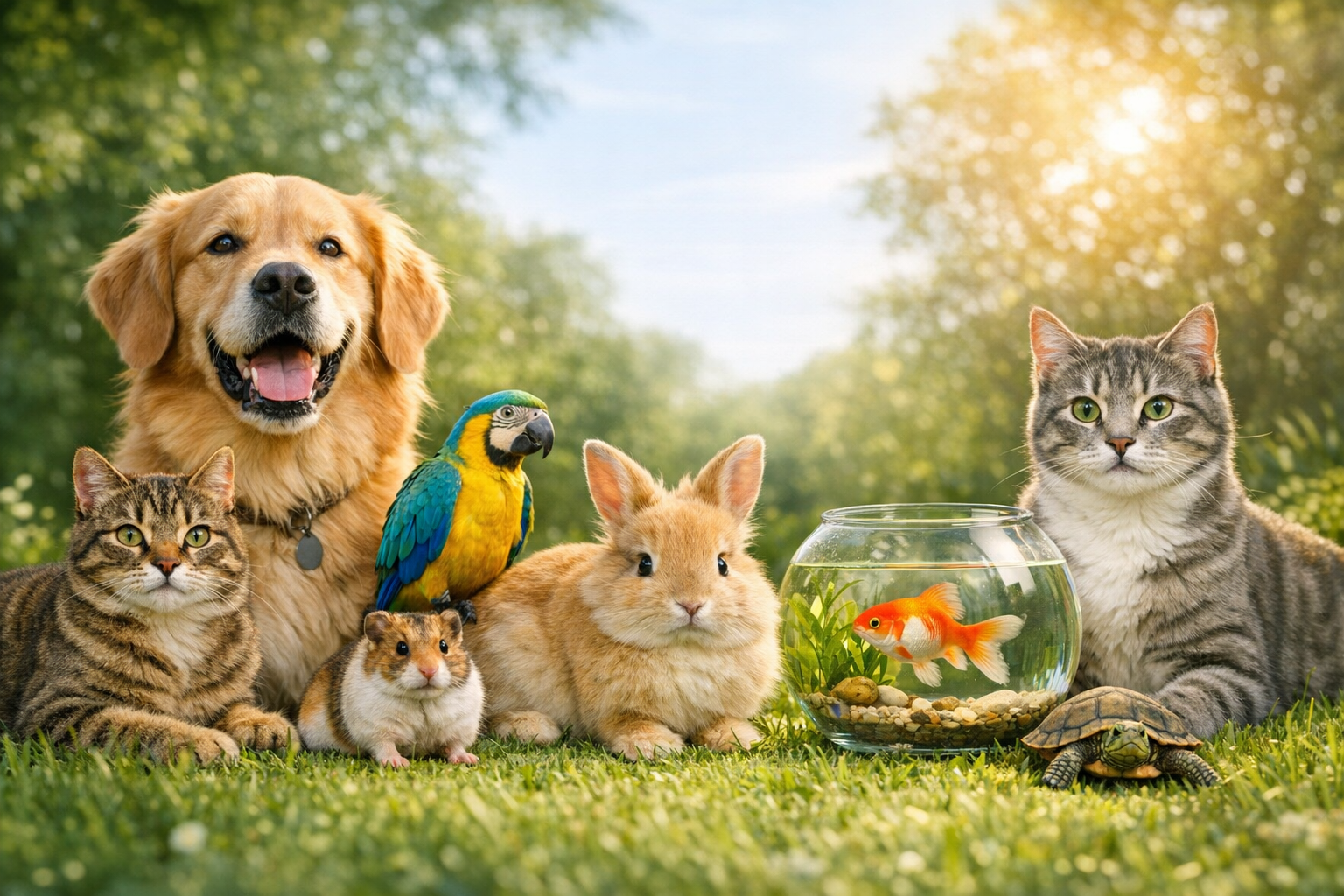
Welcoming Pet Guests into Your Home
Opening your doors to pet guests brings a special kind of energy into your daily routine. Whether you’re watching a friend’s dog for the weekend or hosting a cat while its family travels, having animal visitors is a rewarding responsibility. This guide walks you through everything you need to know to make every visit safe, comfortable, and fun for both you and your temporary furry companion.
Many households are now embracing the idea of hosting pet guests as an alternative to traditional boarding. Pet owners appreciate the personal attention their animals receive, and hosts often discover a deeper connection to the animal world without a long-term commitment. Setting clear expectations and preparing thoughtfully will turn a simple favor into a truly positive experience.
Preparing Your Home for Pet Guests
Before any animal arrives, take a slow walk through your home to spot potential hazards. Loose wires, toxic houseplants, small choking items, and accessible cleaning products must be secured or put away. The goal is to create an environment where your pet guests can explore safely and you can relax without constant worry.
Think about which rooms will be off-limits and which areas will serve as the animal’s main territory. Setting up baby gates or closing doors helps both you and the pet understand boundaries from the very start. A pre-kenneled space, like a cozy corner with a comfortable bed and a water bowl, gives nervous pet guests a retreat when they need quiet time.
Pet-Proofing Specific Zones
Kitchens often contain hidden dangers. Trash cans with tempting smells, dangling tablecloths, and countertops within jumping distance can attract curious noses. Secure all food items, including those seemingly harmless like grapes or chocolate, which are toxic to many animals. Even the garbage disposal switch should be protected if it’s low enough.
Bathrooms and laundry rooms also require attention. Keep toilet lids closed to prevent drinking chemically treated water, and store detergents on high shelves. Simple acts like closing closet doors prevent pet guests from chewing shoes or swallowing buttons. These precautions become second nature with practice.
Creating a Calm Arrival Space
The first few hours set the tone for American Kennel Club the entire stay. Designate a quiet area near the entryway where the animal can decompress after travel. Have a soft blanket, a familiar-smelling toy from their owner, and fresh water ready. Avoid overwhelming your new pet guests with loud noises or too many people immediately.
If you have other pets, introduce them gradually and under controlled conditions. A neutral territory outside the home, or through a barrier at first, reduces territorial behavior. Patience during this adjustment phase pays off with smoother interactions later on.
Essential Supplies for Pet Guests
Being fully stocked before the arrival prevents frantic last-minute store runs. Request that owners bring the animal’s regular food, favorite treats, leash, harness, and any comfort items from home. The familiar scent reduces anxiety and helps pet guests settle in more quickly.
Beyond what the owner provides, you’ll need a few basics of your own. Poop bags for dogs, a litter box and extra litter for cats, and a sturdy waste scoop are non-negotiable. Keep a pet-safe enzymatic cleaner on hand for accidents, because even the best-trained pet guests can have mishaps in a new environment.
Food and Water Station Essentials
Use heavy, non-tip bowls for both food and water. Some animals play with or knock over lightweight dishes, creating a mess and leaving them dehydrated. Place the water bowl away from the food bowl to encourage drinking, a little trick that works well for many pet guests.
Ask the owner about any dietary restrictions or allergies. Never offer table scraps unless you have explicit permission. Even a small piece of onion or avocado can cause serious illness. Stick to the provided food schedule to maintain digestive regularity.
Comfort and Entertainment Gear
Boredom leads to destructive behavior, so plan for mental stimulation. Interactive puzzle toys, safe chew bones for dogs, and wand toys for cats engage your pet guests and strengthen your bond. Rotate toys to keep things fresh, and always supervise play with new objects.
A comfortable bed or designated sleeping spot helps the animal feel secure. Some hosts set up a crate with the door open, creating a den-like atmosphere that many pet guests naturally gravitate toward. Soft bedding and a piece of clothing with the owner’s scent can work wonders overnight.
Feeding and Hydration for Pet Guests
Sticking to the usual feeding routine minimizes digestive upset and maintains trust. Write down the exact amounts, meal times, and any special instructions given by the owner. Consistency signals to your pet guests that they can rely on you, even in an unfamiliar place.
Fresh water is absolutely critical. Change the water at least twice daily and wash the bowl with soap and water to prevent slime buildup. In warmer months, add a few ice cubes to keep the water cool, or invest in a pet fountain if you host pet guests frequently.
Treats and Positive Reinforcement
Treats are a powerful tool for building friendship, but moderation is key. Request the owner’s approved treat list and use tiny pieces during training or quiet bonding moments. Overindulgence can cause weight gain or digestive problems, turning a pleasant stay into a vet visit.
Reward calm behavior, such as lying quietly on a mat or responding to a simple cue like “sit.” This teaches your pet guests that good manners earn good things. Avoid using treats to bribe an anxious animal; instead, let them approach you when ready.
Managing Food Around Other Animals
If your own pets are present, feed them separately to prevent resource guarding. Pick up bowls after meals so nobody sneaks an extra portion. Different species and sizes of pet guests have vastly different nutritional needs, and sharing can be dangerous.
Watch for signs of food sensitivity or allergic reactions during the stay. Itching, vomiting, diarrhea, or excessive paw licking warrants a call to the owner and possibly a vet visit. As a host, your observation skills become a vital safety net for visiting pet guests.
Exercise and Playtime for Pet Guests
Physical activity is a cornerstone of a happy visit. Most dogs need at least two good walks each day, though the duration depends on breed, age, and health. Active pet guests will channel pent-up energy into chewing or barking if they don’t get proper outlets.
For cats, indoor play sessions that mimic hunting satisfy deep instincts. A feather wand or a laser pointer game followed by a treat simulates the chase-catch-eat cycle. Ten to fifteen minutes of focused play twice a day makes a huge difference in how relaxed and content your feline pet guests remain.
Outdoor Safety Protocols
Always double-check collars, harnesses, and leashes before stepping outside. A loose-fitting harness can let a nervous dog slip out and bolt. Stick to familiar routes and avoid dog parks unless you have the owner’s express permission and know the animal’s social skills thoroughly.
Watch weather conditions carefully. Hot pavement burns paw pads, and extreme cold can cause frostbite quickly. Limit outdoor time during harsh temperatures and provide protective booties if needed. Your vigilance keeps pet guests safe during every adventure.
Interactive Brain Games
Mental exercise tires an animal just as much as physical activity. Teach a simple trick like “shake” or “spin” using positive reinforcement. Hide treats around a room and encourage your pet guests to sniff them out. These games build confidence and provide entertainment beyond the routine walk.
Rotate puzzle toys to prevent boredom. Stuff a rubber toy with moistened food and freeze it for a longer-lasting challenge. Engaged pet guests are less likely to develop anxiety-related behaviors like excessive licking or pacing.
Health and Safety Considerations for Pet Guests
Even with the best preparation, emergencies can happen. Have the owner’s veterinary contact information, a nearby 24-hour emergency clinic address, and any relevant medical history readily available. Knowing exactly where to go saves precious time if your pet guests suddenly show signs of distress.
Learn basic pet first aid, including how to check gums for circulation, measure temperature, and perform the Heimlich maneuver on a choking animal. Keep a pet first aid kit stocked with gauze, antiseptic wipes, tweezers, and a muzzle (even the gentlest pet guests may snap when in pain).
Recognizing Stress and Illness
New environments can trigger stress-related symptoms that mimic illness. Excessive panting, hiding, drooling, loss of appetite, or sudden aggression often indicate anxiety. Give your pet guests space and time to decompress; sometimes simply sitting quietly nearby is the best medicine.
Separate genuine health issues from nerves by knowing the animal’s baseline. If the owner mentioned a sensitive stomach, don’t panic at a single loose stool. However, repeated vomiting, lethargy, or refusal to drink water demands immediate veterinary attention. Trusting your observations safeguards your pet guests.
Safe Introductions to People and Animals
Not every visitor to your home needs to meet the animal. Manage social interactions carefully, especially with children who may not understand gentle handling. Teach kids to approach slowly, avoid sudden movements, and respect the animal’s cues. Short, positive encounters protect both the child and your pet guests.
When introducing to your own pets, use scent swapping first. Exchange bedding between animals so they grow accustomed to each other’s smell before a face-to-face meeting. Keep initial interactions brief and always reward calm, polite behavior from everyone involved.
Special Needs and Senior Pet Guests
Elderly animals and those with medical conditions require extra thoughtfulness. Arthritis, vision loss, or hearing impairment mean you must adjust your home layout. Add non-slip rugs to hardwood floors for unsteady pet guests, and block stairways with sturdy gates to prevent falls.
Administer medication precisely as prescribed. Set phone alarms for pill times and never double-dose if you miss one. Ask the owner to demonstrate the technique beforehand, whether it’s hiding a pill in a treat or applying eye drops. Competence with medical care shows deep respect for your pet guests and their family.
Comfort and Mobility Adjustments
Raised food and water bowls ease neck strain for tall or arthritic animals. Orthopedic beds support aching joints, and heated pads (on low, under supervision) soothe sore muscles. Small environmental tweaks dramatically improve quality of life for senior pet guests.
Maintain a consistent, gentle routine. Older animals thrive on predictability and may become confused or anxious with too many changes. Keep walks shorter but more frequent if the animal tires easily, and always watch for signs of fatigue during play.
Pet Guests with Chronic Conditions
Diabetic animals need strict feeding and insulin schedules. Allergic pet guests must avoid specific foods, grasses, or cleaning products. Communicate openly with the owner about any flare-ups and follow their detailed care plan to the letter. Your willingness to handle these extra responsibilities makes you an invaluable host.
Keep a log of meals, bathroom breaks, and any symptoms to share with the owner upon their return. This record provides peace of mind and builds trust for future stays. Meticulous care for special-needs pet guests often deepens your own understanding and compassion.
The Art of Communicating with Pet Guests’ Owners
Clear, honest communication forms the foundation of every successful stay. Before the visit, have a written or verbal agreement covering feeding, exercise, house rules, and emergency procedures. Clarifying all details in advance prevents misunderstandings that could distress your pet guests.
During the stay, send brief, reassuring updates with photos. A picture of the dog sniffing happily in the park or the cat curled up on the sofa calms an owner’s worries. You don’t need to flood them with messages, but a daily check-in demonstrates professionalism and genuine care for the pet guests in your charge.
Handling Difficult Conversations
If a problem arises, address it promptly and calmly. Whether the animal chewed a shoe or developed a sudden limp, the owner needs to know. Frame the issue with a solution-focused tone, explaining what steps you have taken. Blame-free collaboration keeps the focus on the well-being of the pet guests.
Discuss any behavioral quirks you notice without passing judgment. Maybe the cat hisses when touched near the tail, or the dog guards food bowls. Your observations help the owner understand their pet better and improve future care. This level of honesty strengthens the host-owner relationship.
Setting Boundaries with Owners
It’s okay to have rules for your own home. If you don’t want animals on furniture, mention it upfront. If you require dogs to be crate-trained, state that as a condition. Respectful boundaries protect your property and your sanity while still giving pet guests a wonderful experience.
Agree on pickup and drop-off times to avoid extended stays that you didn’t plan for. Life happens, but having a clear policy prevents resentment. When both parties feel respected, hosting pet guests remains a joy rather than a burden.
Building Trust with Your Pet Guests
Trust is not automatic; it’s built through patience and consistency. Let the animal come to you at their own pace. Avoid looming over or staring directly, which can feel threatening. Sit sideways, speak softly, and offer a treat gently on a flat palm. Over time, your pet guests will associate you with safety and kindness.
Respect their signals. A tucked tail, flattened ears, or a low growl is not defiance but communication. Back off and give space. Forcing interaction damages the fragile trust you are trying to build. True skill lies in reading the subtle body language of each individual among your pet guests.
Daily Rituals that Strengthen Bonds
Predictable morning and evening routines soothe anxiety. A walk at the same time, meals at regular intervals, and a quiet cuddle on the couch at night create a sense of home. These rituals tell your pet guests that they are safe and that nothing unpredictable will happen.
Grooming sessions, if the animal enjoys them, are powerful bonding activities. Gentle brushing removes loose fur and stimulates circulation while mimicking the social grooming animals experience with their own species. A relaxed grooming session builds deep, quiet trust.
Earning the Trust of Shy or Traumatized Pet Guests
Rescue animals and those with difficult histories need even more sensitivity. Avoid direct eye contact and sudden movements. Scatter treats on the floor away from you, gradually decreasing the distance as the animal gains confidence. Celebrate tiny victories: a wagging tail, a voluntary approach, a relaxed sigh.
Never punish fear-based behavior. If a dog cowers at a raised voice, reexamine your own volume. Create an environment where shy pet guests can choose to engage. The moment they decide to trust you is one of the most rewarding aspects of hosting.
When Pet Guests Go Home
The departure moment can be bittersweet. Gather all the animal’s belongings, including leftover food, medications, favorite toys, and any soiled bedding to wash. Hand over any notes or logs you kept during the visit. A smooth handoff reassures owners that their pet guests were in attentive hands.
Take a few minutes to share positive stories from the stay. Mention a funny habit, a new trick learned, or a particularly sweet cuddle session. This personal touch elevates your service from simple pet sitting to a genuinely caring experience for both the owners and their beloved pet guests.
Post-Visit Cleanup and Reset
Thoroughly clean the areas the animal used. Vacuum fur from carpets and upholstery, wipe down surfaces, and launder any guest bedding. Disinfect food and water bowls and litter boxes. A fresh, neutral-smelling home is ready for your next set of pet guests, or simply for your own comfort.
Check for any hidden surprises: a toy under the couch, a treat stash behind a cushion, or a forgotten leash. Returning these items promptly shows attention to detail and builds your reputation as a reliable host. Responsible cleanup closes the visit on a professional note.
Reflecting on the Experience
After the farewell, take a moment to consider what went well and what could be improved next time. Maybe you need more puzzle toys, a different gate setup, or a better system for medication. Every group of pet guests teaches you something new about animal behavior and your own hosting style.
Stay in touch with the owner. A quick message the next day asking how the pet settled back in shows continued care. These gestures turn one-time clients into repeat bookings and glowing recommendations. Hosting pet guests can blossom into a lifelong passion when you approach each visit with an open heart and a prepared home.
Conclusion: The Lasting Rewards of Hosting Pet Guests
Welcoming pet guests into your life enriches your world in unexpected ways. You learn patience, sharpen your observational skills, and experience the pure joy of an animal’s companionship without permanent commitment. The temporary nature of each visit makes every moment feel precious and intentional.
By preparing thoroughly, communicating clearly, and leading with compassion, you create a sanctuary where pet guests feel truly at home. Start small, learn from each experience, and watch your confidence grow. The animals you host will reward you with trust, affection, and memories that linger long after they’ve returned to their families.
Leave a Reply