
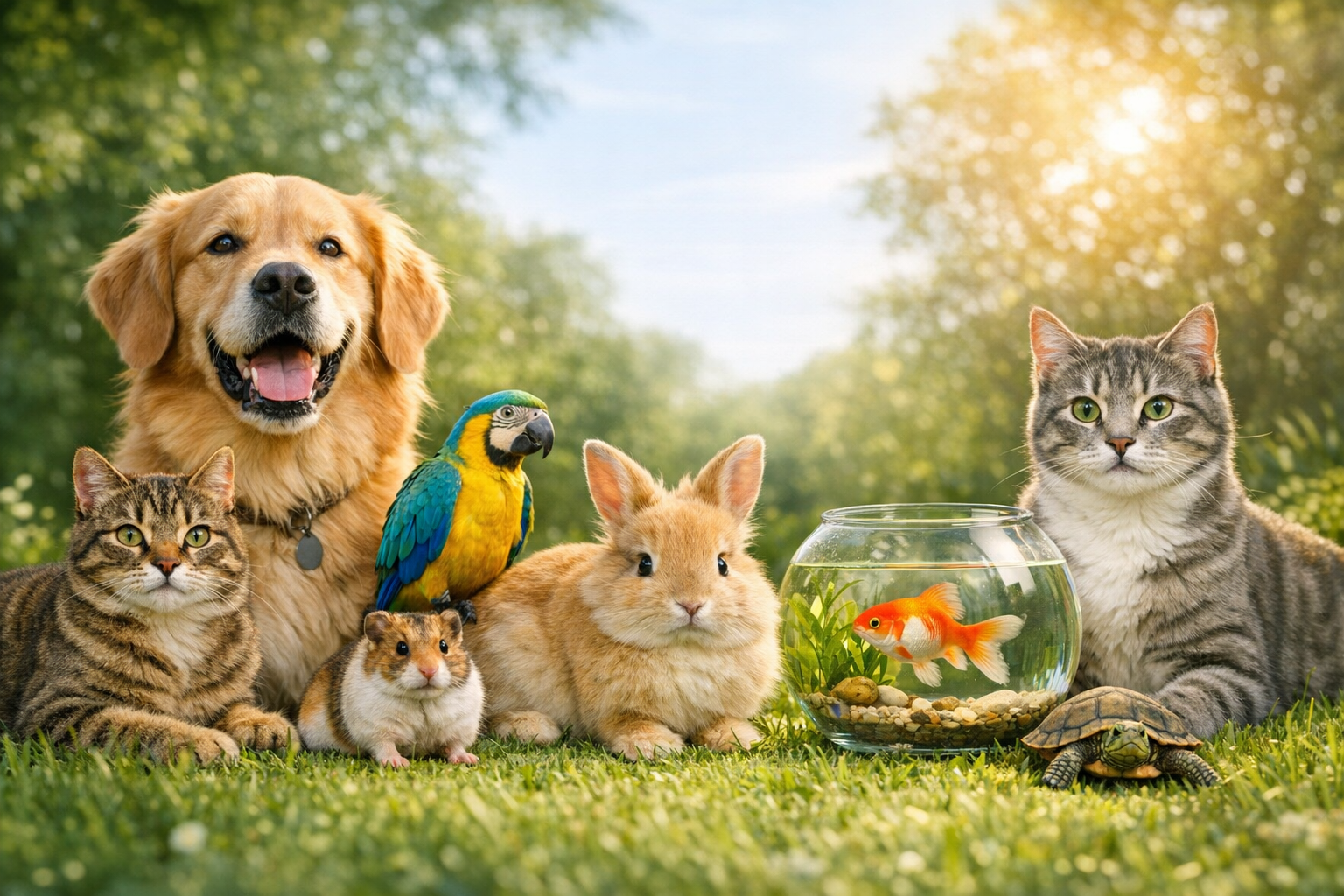
What Is a Pet Garden?
A pet garden is a thoughtfully designed outdoor space where your furry, feathered, or scaled companions can explore, play, and relax safely. Unlike a standard yard, a pet garden puts your animal’s well-being at the center of every choice, from plant selection to pathways and shade. It blends the joy of gardening with the practical needs of a pet, creating a shared sanctuary that benefits both of you.
Building a pet garden means you no longer have to choose between a lush landscape and a happy dog or cat. You can nurture vibrant flowers, herbs, and shrubs that are non-toxic, while also carving out dedicated digging zones, secure fencing, and soft ground coverings. The result is a space that feels alive, inviting, and entirely free of hidden dangers.
Whether you have an energetic Labrador, a curious indoor cat who enjoys supervised outdoor time, or even rabbits and guinea pigs in a protected run, a pet garden can be customized. Thoughtful layout and plant choices minimize the risks of poisoning, injury, or escape. You get to watch your pet sniff, roll, and bask in sunshine while you enjoy the peace of mind that comes from a well-planned landscape.
Planning Your Pet Garden Layout
Start your pet garden design by observing how your animal uses your current yard. Does your dog race along the fence line? Does your cat try to nibble on grass? These behaviors will guide where you place paths, play areas, and protected planting beds. Sketch a rough map that separates high-traffic zones from calm resting spots, so your garden supports natural habits.
Consider creating designated pathways that channel your pet’s movement away from fragile plants. Raised beds or sturdy edging can protect delicate root systems while still allowing your companion to patrol the garden. For dogs, a circular or figure-eight path adds exercise enrichment without destroying flower beds.
Shade and shelter are critical in a pet garden. A shaded pergola, a large shrub with low branches, or even a small wooden canopy offers a retreat from hot sun and sudden rain. Place water stations in multiple spots so your pet always stays hydrated during outdoor play. These practical touches make the garden usable throughout the day.
If you have a cat that goes outdoors, American Kennel Club incorporate vertical elements like secure cat shelves, rough-barked posts for scratching, and hiding spots among tall grasses. These additions turn a pet garden into a stimulating yet safe environment that reduces roaming far from home.
Selecting Plants for a Pet Garden
Plant choice is the heartbeat of a successful pet garden. Many common garden favorites—such as lilies, azaleas, foxglove, and oleander—are highly toxic to dogs and cats. Before you put anything in the ground, verify its safety against a reliable pet poison control list. A pet garden must be a worry-free zone, and that starts with removing or strictly avoiding dangerous species.
Safe flowering plants give you color without compromise. Sunflowers, zinnias, marigolds, petunias, and snapdragons are all non-toxic and attract pollinators. For a splash of blue or purple, try bachelor’s buttons or cornflowers. Roses are also safe if you maintain them without chemical treatments and prune away thorny lower branches that could scratch a curious nose.
Herb gardens add fragrance and utility while being gentle on animals. Basil, rosemary, thyme, oregano, and sage are all pet-safe and easy to grow. Mint can spread aggressively but is generally safe in moderation, though it’s wise to limit it to containers so your dog isn’t tempted to overindulge. Catnip and cat grass provide intentional areas for felines, distracting them from less sturdy ornamentals.
Avoid cocoa bean mulch, which smells appealing but contains theobromine, the same toxin found in chocolate. Stick with composted bark, pine straw, or smooth pebbles. If your pet tends to munch on greenery, grow edible grasses like wheatgrass in a dedicated planter, giving them a healthy outlet for that instinct.
Essential Features of a Pet Garden
A well-equipped pet garden goes beyond plants. A dedicated digging area, such as a sandbox or a loose soil pit, can save your flower beds from destruction. Hide a few toys or treats in the sand to encourage your dog to use that spot, and praise them when they do. For cats, a designated scratching log or outdoor-grade sisal post prevents damage to trees and furniture.
Water features must be safe and swallow-proof. A bubbling fountain designed for small animals can provide fresh drinking water without the risk of drowning. Avoid ponds with steep sides unless they’re covered with a strong mesh. A shallow, gently sloping water bowl area that drains easily will keep your pet cool and hydrated.
Secure fencing is non-negotiable in a pet garden, especially for dogs and free-roaming cats. The fence should be tall enough to prevent jumping and buried deep enough to stop digging escapes. Check regularly for gaps or loose boards. For cats, consider angled fencing toppers or a fully enclosed catio structure that connects to the garden, allowing outdoor time without danger.
Comfort surfaces underfoot matter more than we often realize. Hot paving stones can burn paw pads, while sharp gravel is unpleasant to walk on. Choose clover, chamomile, or soft mulched paths for bare paws. Large, flat flagstones set in the ground offer cool spots for lounging and are gentle even under a summer sun.
Maintaining a Pet Garden Year-Round
Ongoing care keeps your pet garden both beautiful and safe. Pick up pet waste daily to prevent the spread of bacteria and to stop your pet from tracking it into the house. A quick morning sweep also lets you check for any unusual signs—chewed leaves, holes near the fence, or damaged plants that might signal a problem.
Adjust your garden tasks with the seasons. In spring, inspect for winter damage and refresh mulch layers. Choose organic, pet-safe fertilizers and avoid pesticides that can cling to fur or be ingested during grooming. Compost tea, seaweed extract, and neem oil are effective alternatives that won’t harm your companion.
Summer demands extra attention to hydration and heat. Top up water bowls often and consider installing a misting system for especially hot days. Trim back any overgrown bushes that might provide hiding spots for ticks and fleas. A well-maintained pet garden stays cooler and reduces pest habitats naturally.
Fall clean-up can be a hidden hazard. Mushrooms that pop up after rain can be toxic, so remove any fungi you find. Rake up fallen leaves promptly, as damp piles can harbor mold and parasites. This is also a good time to amend soil and replant spring bulbs—tuck tulip and daffodil bulbs only in areas your pet absolutely cannot access, as they are toxic.
Winter may mean less outdoor time, but the garden still needs vigilance. Avoid using rock salt or chemical de-icers on paths where your pet walks; opt for sand or pet-safe ice melt. Prune dormant shrubs and check fence integrity after storms. Even in the cold months, a pet garden can offer a brief, refreshing sniffari for a bundled-up dog under supervision.
Pet Garden Safety and Wellness
Beyond plants, consider the products you use to maintain the space. Many lawn treatments, weed killers, and pest controls contain substances linked to illnesses in pets. Switching to organic, pet-labeled products or homemade solutions keeps your garden toxin-free. Vinegar-based weed sprays can work on paths, though they should be applied carefully to avoid desirable plants.
Watch out for common outdoor dangers like cocoa mulch, as mentioned, but also compost piles. Molding food scraps can produce tremorgenic mycotoxins that are extremely harmful to dogs. Keep compost bins securely enclosed and out of reach. Similarly, fallen fruit from trees like cherries, plums, or peaches can cause cyanide poisoning if the pits are chewed.
Regular health checks are part of pet garden ownership. After playtime, examine your pet’s paws for cuts, thorns, or foxtail grass seeds that embed in fur and skin. Keep a pet first-aid kit in the garden shed with tweezers, antiseptic wipes, and bandages. Being prepared for minor incidents makes your garden a relaxed place for both of you.
Noise and stress levels also matter. If your pet is noise-sensitive, plant dense hedges or install a water feature that creates calming white noise, masking traffic or neighborhood sounds. A calm pet garden might include a small, covered den box where a dog or cat can retreat when overwhelmed. These subtle details elevate the garden from functional to truly nurturing.
Pet Garden Enrichment Ideas
Enrichment turns a pet garden into a daily adventure. Install snuffle mats or treat-dispensing toys hidden among safe ground cover. For dogs, a hollow log with treats tucked inside, or a digging pit with buried toys, encourages natural foraging behavior. Rotate the hiding spots frequently to keep the garden novel and engaging.
Scent gardens are especially delightful. Plant safe, aromatic herbs like lavender, chamomile, and lemon balm in low borders where your pet can brush against them. Dogs and cats experience the world through smell, so a fragrant pathway adds mental stimulation without extra effort on your part. Just ensure your pet doesn’t overgraze on strong herbs, offering them in moderation.
Water play can be included safely. A shallow splash pad or a hose mist attachment gives water-loving dogs a way to cool off. Always supervise water activities, and dry your pet’s ears afterward to prevent infections. For cats, a small, lid-covered outdoor fish tank (stocked with pet-safe, non-toxic decor) can provide hours of quiet visual enrichment from a secure seated area.
Vertical space isn’t just for cats. Climbing structures like gentle ramps or low platforms can help older dogs exercise without jarring their joints. A small agility course built from PVC pipes and soft tunnels offers physical and mental workouts. Even simple DIY hurdles of pool noodles on wooden pegs can be repositioned daily for variety.
Preventing Pet Garden Damage
Even with the best planning, pets can be enthusiastic gardeners. Protect young plants with temporary cloches or low wire cages until they establish strong roots. Choose plants with sturdy stems, like lavender, rosemary, or ornamental grasses, that bounce back after a wagging tail brushes past. Group delicate flowers in raised beds or hanging baskets out of reach.
If digging is your constant battle, address the root cause. Dogs often dig due to boredom, so increasing exercise and yard enrichment often solves the problem. For persistent diggers, bury chicken wire just under the soil surface in planting beds—it feels unpleasant under paws and deters digging without causing injury. Offer an approved digging zone as a positive alternative.
Urine spots on the lawn can be minimized by training your dog to use a designated gravel or mulch area. Diluting the urine spot immediately with water also reduces burn marks. Encourage your pet to drink more water, which naturally dilutes urine. Select urine-resistant ground covers like clover or creeping thyme that stay green even with occasional exposure.
Conclusion: Enjoying Your Pet Garden Together
A pet garden is more than a trend; it is a lasting investment in your companion’s happiness and your own peace of mind. By blending safe plants, sturdy design, and thoughtful enrichment, you create a space where tails wag, whiskers twitch, and you can relax knowing every corner is curated for well-being. The time you spend together in your pet garden deepens your bond and gives your animal a rich, sensory world.
Remember that your pet garden will evolve. Observe what your pet loves and what they ignore, then adjust planting and features over time. Keep learning about pet-safe gardening practices, and don’t hesitate to add new sensory elements like trickling water or rustling ornamental grasses. A living garden grows alongside both of you.
Ultimately, the best pet garden reflects the personality of the animal who roams it. Whether it’s a sprawling canine paradise with agility obstacles, a shaded feline retreat brimming with catnip, or a small but mighty rabbit run edged with edible flowers, the goal is a joyful coexistence between nature and a beloved pet. Step outside, toss a toy, and savor the simple pleasure of a garden made just for them.
Leave a Reply