
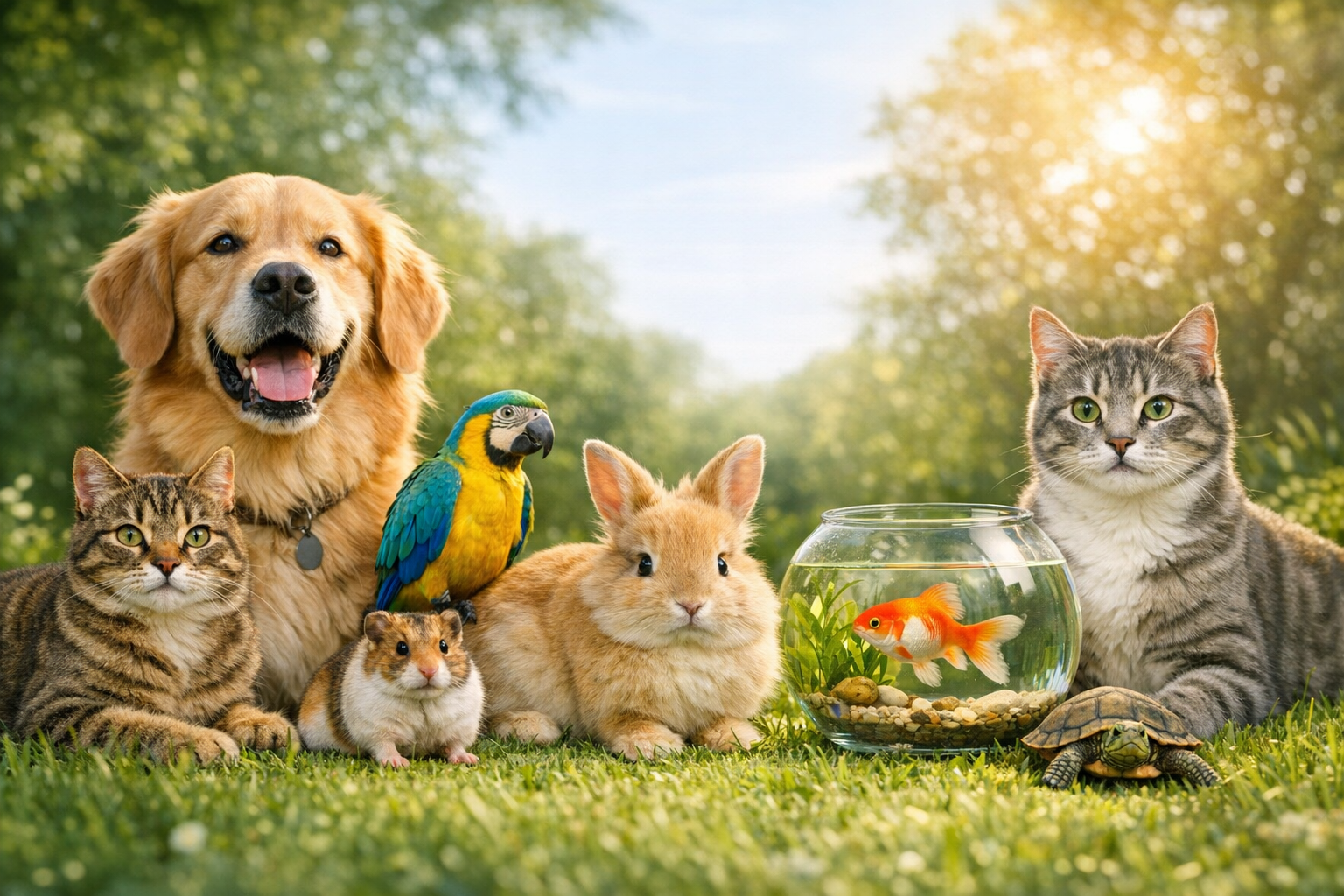
Why Quality Pet Bowls Are a Daily Essential for Your Animal Companion
Every pet owner knows that mealtime is a highlight of the day, but the simple pet bowls you choose can influence far more than convenience. From hydration to digestion and even behavior, the right bowl serves as a quiet foundation for your pet’s well‑being. Overlooking this small but vital tool can lead to mess, contamination, or ongoing stress you might never directly connect to the dish itself.
You interact with your dog or cat’s feeding station multiple times a day, so it makes sense to treat the selection of pet bowls with the same care you’d give any other piece of daily‑use gear. This guide walks you through materials, sizing, cleaning routines, and the subtle features that turn a basic container into a health‑positive habit.
Understanding the Main Types of Pet Bowls on the Market
Walking down the pet supply aisle can feel overwhelming because the variety of pet bowls has grown dramatically. Each style solves a specific need, and knowing the fundamentals helps you match the bowl to your animal’s everyday reality. Start by separating options into standard, elevated, slow‑feed, automatic, and travel designs.
Standard shallow bowls work well for most cats and small dogs, while deep‑sided stainless steel pet bowls often suit larger breeds that tend to push food around. Slow‑feed bowls, with their maze‑like interiors, are a lifesaver for dogs that gulp meals, reducing the risk of bloat and regurgitation. Elevated stands lift the dish off the floor, which can ease neck strain in tall dogs or arthritic seniors, though research suggests some giant breeds may face a higher bloat risk if they eat too quickly from a raised position.
Automatic feeders and water bowls bring consistency for busy households, while collapsible silicone pet bowls live in backpacks for hikes. Travel bowls with carabiner clips keep you ready for pit stops. By first identifying whether your pet needs speed control, joint relief, portion management, or portability, you’ll immediately narrow the field from dozens of possibilities to a handful of truly useful pet bowls.
Standard and Non‑Skid Bowls for Everyday Calm
A no‑slip base might seem minor, but it transforms mealtime for pets that nose their dish across the kitchen floor. Rubber‑rimmed pet bowls stay put on tile or hardwood, cutting down noise and frustration. This is especially important for enthusiastic eaters that can send a lightweight plastic bowl skittering into furniture.
Standard bowls with a wide base and low American Kennel Club center of gravity are often the most spill‑proof. When you pick a bowl, press down on its rim in the store — if it tips easily, it will tip in your home, too. Look for solid weight in stainless steel or ceramic versions rather than ultralight plastics.
Slow‑Feed Pet Bowls and Brain Work
If your dog inhales meals in seconds, specialized pet bowls with ridges, spirals, or raised obstacles force them to use their tongue and paws to extract each bite. This slows ingestion by several minutes, which helps the stomach signal satiety and reduces air swallowing. Many cats also benefit from puzzle bowls that mimic natural hunting behaviors, making indoor meals more engaging.
Introduce a slow‑feed bowl gradually if your pet shows frustration. Start with an easy pattern and upgrade to more intricate pet bowls once they master the technique. Keep monitoring: a bowl that is too complex can cause a picky eater to give up entirely, so find the sweet spot that adds a challenge without discouraging eating.
Materials That Define the Safety and Longevity of Pet Bowls
The material of your pet bowls isn’t just about looks — it directly affects bacterial growth, durability, and even your pet’s skin health. Stainless steel, ceramic, plastic, silicone, and glass each carry pros and cons that should align with your household’s cleaning habits and your animal’s unique sensitivities. Choosing wisely here prevents repeat vet visits for stubborn chin acne or gastrointestinal upsets.
Stainless steel stands out because it’s non‑porous, dishwasher‑safe, and resists rust if made from high‑quality 18/8 or 304 grade. Cheaper steel bowls can contain trace elements that leach over time. Ceramic pet bowls offer weight and style but require a lead‑free, food‑safe glaze that won’t crackle and harbor bacteria. Plastic bowls are affordable yet scratch easily — those tiny grooves become breeding grounds for biofilm, which can trigger feline chin acne or allergic reactions in dogs.
Why Stainless Steel Leads the Pack
Veterinarians often recommend stainless steel pet bowls as the gold standard for hygiene and longevity. They endure chewing, resist scratching, and sterilize effortlessly in the dishwasher or with a bleach‑water rinse. If you rinse and dry them after each meal, you maintain a surface that actively discourages pathogen buildup.
A tip‑proof stainless bowl with a weighted rim is invaluable for dogs that like to use their paws. The slight metallic taste doesn’t bother most pets, and the cool surface can even help keep wet food fresher for longer during summer. Just check the seam where the rim meets the bowl — poorly finished edges can trap food and cut curious tongues.
Ceramic Pet Bowls for Style and Stability
Crafted ceramic pet bowls add personality to a kitchen while anchoring the dish in place with their heft. They stay cooler than plastic and don’t retain odors if the glaze is intact. The catch is that any hairline crack or chip instantly turns the bowl into a bacteria hotel, so inspect it regularly under bright light.
Always verify that the glaze is certified lead‑free and cadmium‑free, especially with imported decorative bowls. If the bowl’s coating feels matte or slightly rough on the inside, it may be more porous than it appears. For pets with chin acne, even quality ceramic pet bowls need daily sanitizing because saliva residue alone can irritate sensitive skin.
Plastic, Silicone, and the Hidden Risks
Plastic pet bowls are lightweight, cheap, and bounced back from drops, making them common in travel kits and starter homes. However, scratches appear within weeks, and that microscopic damage holds onto moisture and bacteria even after washing. Dogs and cats with pink chins, pimples, or sudden lip swelling should switch to stainless or ceramic as a first line of defense.
Silicone bowls work brilliantly for on‑the‑go water stops and collapsible design, but cheap silicone can retain a soapy taste if not rinsed meticulously. Stick to food‑grade silicone that withstands hot cycles in the dishwasher. Both plastic and silicone pet bowls should be replaced at the first sign of pitting, warping, or lingering odor because no amount of scrubbing can fully restore a degraded surface.
How the Right Size and Depth of Pet Bowls Improve Feeding Habits
Many behavior quirks — from food scattering to whisker fatigue — trace back to poorly sized pet bowls. A dish that’s too deep forces your pet to push their face into corners, while a shallow, wide bowl turns mealtime into a pushing match. Measuring your animal’s muzzle and observing their eating posture will guide you toward the ideal vessel.
Cats, in particular, suffer from whisker stress when their sensitive vibrissae constantly touch the sides of a narrow bowl. Opting for wide, low‑profile pet bowls often transforms a finicky cat into a calm eater. For dogs with floppy ears, a bowl with a narrower opening and flared brim keeps ears out of the food while still allowing jaw room.
Sizing Guidelines for Dogs
Small breeds under 20 pounds usually thrive with a bowl holding 1 to 2 cups of food and a rim diameter of 5 to 6 inches. Medium dogs need a bit more volume, around 4‑cup capacity and 7‑inch diameter. Large and giant breeds benefit from 8‑cup or larger pet bowls with a 9‑ to 12‑inch diameter, reducing splashing and making it easy to grab mouthfuls without diving in.
To approximate the right depth, the bowl’s sides should come no higher than the dog’s lower jaw hinge when they stand naturally. If the dog has to stretch their neck upward or crouch awkwardly, the bowl is positioned wrong. Using pet bowls on an appropriately sized stand can restore that natural neck alignment for tall breeds.
Cat‑Specific Bowl Dimensions to Prevent Whisker Fatigue
Whisker fatigue is a real sensory overload that makes cats hesitant to eat or drink. The solution is a shallow bowl no deeper than 1.5 inches, with a diameter that keeps whiskers clear — ideally 5 inches or more for an average adult cat. Flat‑faced breeds like Persians often need completely flat or slightly tilted pet bowls so they can scoop food without smushing their entire face against the rim.
You can easily test whisker comfort by placing a few treats in a shallow dish versus a deep bowl. If your cat uses a paw to fish out food from the deep bowl but eats directly from the shallow one, you’ve just witnessed whisker stress. Switching to whisker‑friendly pet bowls often increases water intake as well, because the cat no longer associates drinking with discomfort.
Cleaning Practices That Keep Pet Bowls Germ‑Free
Even premium pet bowls become health hazards without consistent cleaning. The moist residue of wet food and the biofilm from slobbery water create a perfect environment for salmonella, E. coli, and yeast. A startling number of households wash the pet dish only when it looks dirty, but bacterial colonies thrive long before you see a slimy film.
At minimum, wash water bowls daily and food bowls after each meal. Use hot, soapy water and a dedicated scrubber — never the family sponge. Stainless steel and ceramic pet bowls can go into the dishwasher for a high‑heat sanitizing cycle. If you hand wash, finish with a rinse of diluted white vinegar or a food‑safe sanitizing solution, then air dry completely in a rack rather than towel drying.
Daily, Weekly, and Deep‑Clean Routines
- After every meal: Scrape leftover food, hand wash with dish soap, rinse thoroughly, and air dry.
- Daily water bowl refresh: Dump water, scrub with a bottle brush to remove slime, replace with fresh water.
- Weekly deep clean: Run bowls through a dishwasher hot cycle or soak in a 1:32 bleach‑water bath for two minutes, then rinse and air dry.
- Monthly inspection: Check for cracks, chips, or deep scratches; retire any pet bowls showing wear.
For outdoor or kennel pet bowls, consider having a backup set so one can air dry in the sun while the other is in use. UV light naturally helps break down residual bacteria. If bowls sit outside, never leave wet food in them beyond 30 minutes in warm weather, as flies and pathogens multiply shockingly fast.
Biofilm and Why Scrubbing Matters
That slick layer on the inside of a water bowl isn’t just minerals — it’s biofilm, a matrix of bacteria and fungi that resists simple rinsing. Mechanical scrubbing with a brush is the only way to dislodge it. Once established, biofilm in pet bowls can contribute to chronic low‑grade gut issues or urinary tract irritation because pets ingest small loads of microorganisms with every sip.
To keep biofilm at bay, avoid placing pet bowls in direct sunlight for long periods, as warmth accelerates growth. Change water twice a day if possible, and consider using an additional circulating pet fountain — the moving water inhibits biofilm formation and often encourages pets to drink more.
Choosing the Best Pet Bowls for Special Needs and Ages
Life stages and health conditions directly affect which pet bowls will serve your companion best. A flat‑faced senior cat, a teething puppy, or a diabetic dog on a strict schedule all need thoughtful adaptations. By aligning bowl features with physical and medical cues, you turn a simple accessory into a supportive tool.
Arthritic dogs and cats often struggle to lower their heads to a floor‑level dish. Elevated pet bowls at elbow height reduce spinal strain and can make eating more comfortable. For pets with megaesophagus, a specialized Bailey chair and upright eating posture are non‑negotiable; the bowl simply becomes part of a vertical feeding station. Puppies going through teething will sometimes chew on the bowl itself, so sturdy stainless models withstand gnawing much better than plastic.
Elevated Pet Bowls and Bloat Considerations
The relationship between raised feeders and bloat (gastric dilatation‑volvulus) remains debated, but several studies suggest that elevated pet bowls might increase risk in large, deep‑chested breeds if eating speed isn’t also controlled. If you choose an elevated stand, pair it with a slow‑feed insert or puzzle bowl and ensure the dog rests for an hour after eating.
Measure the pet’s elbow height and set the bowl rim just slightly lower, so the animal can swallow comfortably without having to lift their head too high. Over‑elevation can strain the neck in the opposite direction. The best elevated pet bowls feature adjustable legs so you can fine‑tune the setting as your puppy grows or your senior dog’s posture changes.
Pet Bowls for Multiple‑Pet Households
Managing mealtime with several animals often comes down to the strategic placement and style of pet bowls. Resource guarding drops when each pet has a defined eating zone, ideally out of sight lines from the others. Microchip‑activated feeders and bowls that only open for a specific collar tag prevent a dominant eater from stealing a diet‑restricted companion’s food.
In multi‑cat homes, spread pet bowls across different vertical levels and rooms so shy cats aren’t forced to pass a dominant cat’s bowl to get to their own. Having one more water bowl than cats reduces competition and encourages proper hydration. Keep each bowl’s style consistent to avoid squabbles over the “better” dish.
Transport, Travel, and Outdoor Pet Bowls
Active lifestyles call for portable, durable pet bowls that keep your animal hydrated and fed without adding bulk to your gear. Collapsible silicone bowls, fold‑flat fabric bowls with waterproof liners, and compact stainless cups all fit into a daypack or glove compartment. The key is balancing weight with the ease of cleaning on the road.
Look for travel pet bowls that can double as water dishes, with a clip to attach to a harness or backpack strap for quick access on hikes. Some come with a zippered stash pocket for a portion of kibble. After each outing, give the bowl the same attention you would a home bowl — dried saliva and trail dust combine into a stubborn grit that scratches surfaces over time.
Car‑Safe Bowls and No‑Spill Designs
Motion sickness can be worsened by a nervous pet trying to drink from a sloshing bowl. No‑spill travel pet bowls with a floating disk or a narrow lip let water be accessible only when licked, preventing a backseat flood. These are especially helpful for long road trips where stopping every hour isn’t practical.
Always secure the bowl so it doesn’t become a projectile during sudden braking. Some vehicle‑specific pet bowls slot into car cup holders or strap to seat bars. Keep a dedicated microfiber towel and a sealed water bottle nearby, and rinse the bowl at every rest stop to avoid a buildup of stale water taste.
Understanding the Influence of Pet Bowls on Hydration Habits
Water intake is a cornerstone of health, yet many pets subtly reduce drinking when their pet bowls are too small, too deep, or perpetually stale. A bowl that holds only a few ounces requires constant refilling and may leave a large dog thirsty between fills. On the flip side, a bowl so huge that water sits for days invites dust and bacterial growth.
Cats are notoriously sensitive to the location and material of their water pet bowls. Many prefer ceramic or glass over metal because they detect no metallic taste, and they often choose a bowl placed away from their food, mimicking the natural separation of water sources in the wild. A simple relocation or change to a wide, shallow porcelain bowl frequently results in a measurable bump in drinking.
Fountains and Integrated Pet Bowls for Water
Pet water fountains function as constantly circulating pet bowls that oxygenate water and filter out hair and debris. The motion and sound attract cats and some dogs, and the filtration minimizes biofilm formation. If you use a fountain, treat its reservoir and filter with the same sanitary rigor as a stationary bowl — deep clean weekly, change filters on schedule, and never allow slime to build up inside the pump.
Combination feeder and water stations save floor space but require extra vigilance. Spilling water into the dry food compartment creates a mushy, spoiled mess that could go unnoticed for hours. Look for designs with a water‑tight seal between sections and a lip that prevents overflow. Even then, check the food side before each meal to ensure it hasn’t absorbed moisture from splashes or condensation.
Pet Bowls and Behavioral Reinforcement
Mealtime rituals can inadvertently reinforce anxiety or excitement loops if the pet bowls themselves become triggers. A dog that barks incessantly at the sight of the food bowl is often over‑aroused by the predictive object. Using plain, unremarkable bowls and keeping them out of sight until the moment you serve food helps break that link.
For counter‑surfing cats, heavy ceramic pet bowls placed inside a puzzle board turn a quick swallow into a 15‑minute activity, draining excess energy and reducing attention‑seeking behaviors. The bowl itself becomes part of a stable routine rather than a lone highlight of the day. Consistency in bowl type, location, and timing provides mental security that reduces whining and pacing.
Building Positive Associations Through Choice of Pet Bowls
If you’ve adopted a rescue pet with a fear of metal noise, swapping stainless pet bowls for silicone or plastic at first can break the negative association. Gradually reintroduce stainless once the pet is relaxed around feeding routines. The same gentle shift works for animals that get spooked by a clattering ceramic bowl on a tile floor — a rubber‑bottomed dish mutes the sound instantly.
Use high‑value treats placed in a new bowl to build trust before introducing it at regular meals. Allowing the pet to explore the empty bowl without pressure can prevent a sudden refusal to eat. The goal is for your pet bowls to become invisible tools that support, rather than complicate, your animal’s emotional state during feeding.
Environmental and Budget‑Friendly Choices in Pet Bowls
Sustainability matters when you consider that many pet bowls get chewed, scratched, or discarded within a year. Opting for long‑lasting materials like stainless steel and high‑fire ceramic keeps plastic out of landfills and lowers total cost over a pet’s lifetime. A $20 stainless bowl that lasts 10 years beats a $4 plastic replacement every few months.
Some companies now craft recycled ocean‑plastic pet bowls that are durable and dishwasher‑safe, offering a middle ground for eco‑conscious owners. Look for matte finishes are free of BPA, phthalates, and lead. Even bamboo‑fiber composite bowls appear attractive, but verify they use food‑safe resin binders, as cheap melamine composites can leach harmful substances into the food.
DIY and Upcycled Bowl Ideas to Tread Carefully
Stainless steel prep bowls from restaurant supply stores make excellent, affordable pet bowls if they have a true rolled edge and no copper or tin lining. Avoid repurposing human ceramic dishes that may have decorative lead glazes. Heavy glass bowls can work as water dishes for cats, provided they’re placed on a non‑slip mat and inspected for chips regularly.
When making a DIY elevated stand, always seal wood with a food‑grade finish to prevent moisture absorption and mold growth under the bowl. Sand any rough edges until they’re smooth to the touch, because a tongue rubbing against splinters can cause injury. The money saved should never come at the cost of safety — poorly built pet bowls or stands introduce risks that far outweigh the upfront discount.
Seasonal Adjustments for Outdoor Pet Bowls
Extreme temperatures change what counts as a safe pet bowls setup. In freezing weather, metal bowls can stick to a wet tongue, so switch to thick ceramic or heated outdoor bowls with a thermostat. Heated bowls prevent water from turning into ice for hours, but check the cord regularly for chew damage and use a GFCI outlet to avoid shocks.
During hot months, double‑walled stainless steel pet bowls slow the warming of water, and adding ice cubes is fine for most dogs. Place outdoor bowls in full shade and refresh water at least three times per day. Algae grows explosively in warm, sun‑exposed water, so opaque or dark‑colored bowls may help block light and slow that growth slightly.
Heated Pet Bowls for Winter Comfort
When temperatures dip below freezing, a heated bowl is more than a luxury — it ensures constant access to liquid water instead of an icy block. Look for pet bowls with a chew‑resistant cord encased in metal and an automatic thermostat that only kicks on at low temperatures to save energy. Always test the bowl with your hand first to confirm the surface doesn’t become too hot to the touch.
Position the cord so it runs alongside a wall or under a protective cover to prevent tripping and discourage chewing. For barn cats or outdoor dogs, elevate the heated bowl slightly on a wooden block to keep it clear of mud and snow melt. Never use extension cords as a permanent solution; instead, install an outdoor‑rated outlet near the feeding station.
Conclusion: Building a Lifetime of Healthy Habits with the Right Pet Bowls
The daily rinse, the weekly deep clean, and the careful selection of safe materials all add up to far more than a shiny dish on the floor. When you treat pet bowls as health‑critical equipment, you protect your animal from hidden bacteria, reduce unnecessary stress, and often detect early signs of dental or digestive problems just by paying attention at mealtime. A scratched or wobbly bowl isn’t a minor annoyance — it’s a signal to upgrade.
Ultimately, the best pet bowls disappear into your routine, supporting hydration, comfortable posture, and quiet contentment without ever calling attention to themselves. Start with a simple stainless or ceramic bowl adjusted to your pet’s size, commit to a consistent cleaning rhythm, and you’ll have built a feeding foundation that stays solid for years.
Leave a Reply