
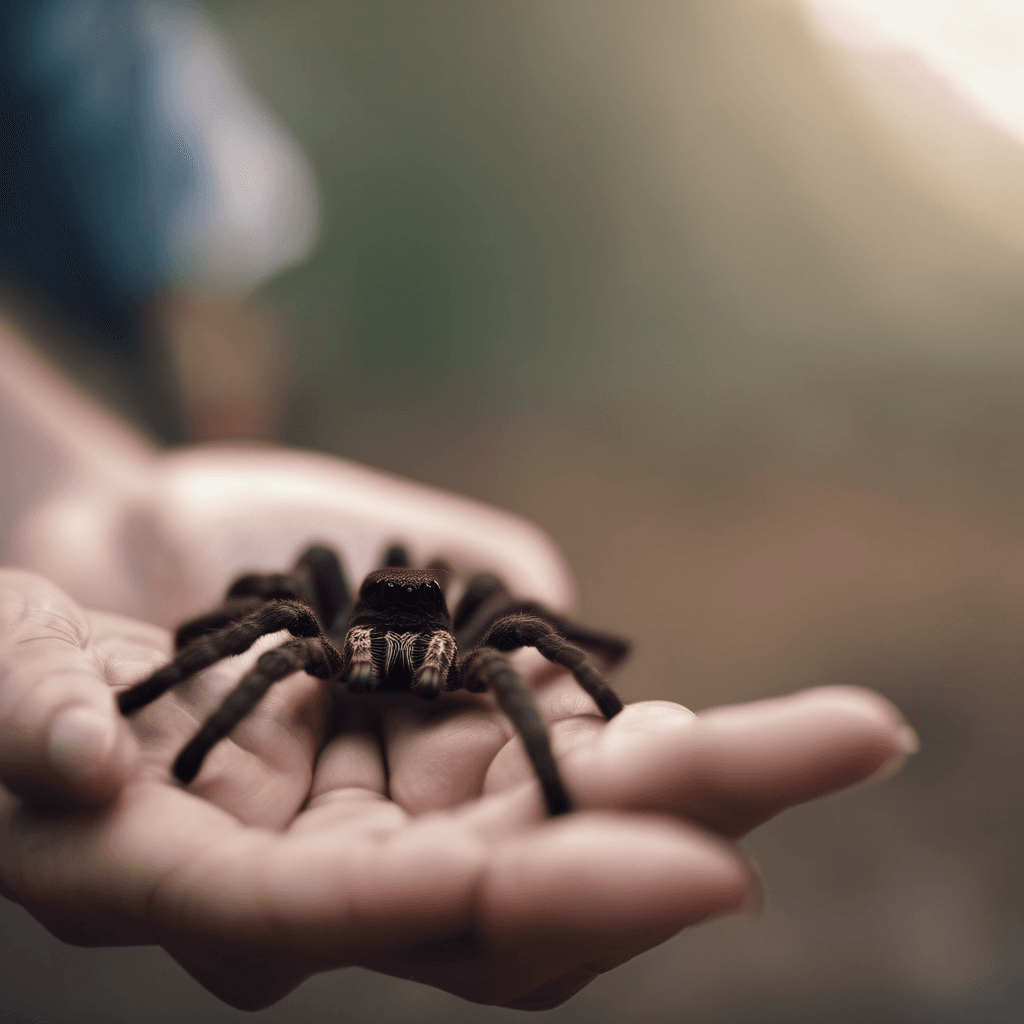
Handling a tarantula is optional, often discouraged, and the leading cause of escaped spiders and injured keepers. A tarantula is a watch-and-admire pet — the reward is the enclosure, the behavior, the feeding, and the molt, not the cuddle. This guide explains the rare cases where a brief, deliberate handling is acceptable, the method that minimizes risk, and the situations where handling is simply never safe. Part of the pet tarantulas complete care guide series.
The Honest Default: Do Not Handle
Before the method, the principle. For the overwhelming majority of keepers and species, the safest choice is no handling at all.
- The enclosure is the experience — a well-set tarantula habitat is the display. You observe it daily; you do not need to hold it.
- Handling is the top cause of escapes — a startled tarantula bolts, and a bolting tarantula in a room can vanish behind furniture where it cannot be found.
- Falls kill — a drop of even a foot can rupture the abdomen, and abdominal rupture is usually fatal. A tarantula is fragile despite the fearsome look.
- Urticating hairs — most New World species flick microscopic hairs that irritate skin, eyes, and lungs. A single flick near your face is a hospital visit.
- Individual temperament varies — the same species has docile individuals and defensive ones. You cannot predict yours.
If you are deciding whether you even need to handle, the answer is almost always no.
Species That (Sometimes) Tolerate Touch
A small number of New World terrestrial species are known for calm temperaments and are the only ones keepers ever consider for brief handling:
- Brachypelma and Tliltocatl species — the classic “pet rock” tarantulas, such as the Mexican redknee and curly hair. Slow-moving and rarely defensive.
- Grammostola rosea (Chilean rose) — famously calm, and the species most new keepers first handle.
- Some Aphonopelma species — the desert blond and relatives are typically docile.
Even within these, temperament is individual. A calm Chilean rose can have a nervous sibling.
Species You Should Never Handle
- All Old World tarantulas — African and Asian species (Poecilotheria, Pterinochilus, Ceratogyrus, Haplopelma, Cyriopagopus). Fast, defensive, potent venom, no urticating hairs as a warning (they bite first). Never handle an Old World species.
- Arboreal species — many are extremely fast and bolt upward. Avicularia and relatives are “old world in temperament” for handling purposes.
- Any tarantula in premolt — bald abdomen, refusing food, dull color, hiding. The soft new exoskeleton after a molt tears if handled. See the tarantula molting guide.
- Spiderlings and juveniles — tiny, fast, and easy to lose.
The Hard Rules
If you do choose to handle briefly, these are non-negotiable:
- Never over your face, eyes, or mouth. Urticating hairs and a defensive bite both target the head. Sit at a table, not on a couch or bed.
- Never high up. Handle only inches above a soft surface — a table over carpet is fine; standing on the floor is not.
- Know the escape plan. A clear cup and a stiff card within reach before you start. The moment the tarantula moves fast, you trap and return it.
- One hand, low, still. Do not pass it hand to hand. Do not cup both hands over it — that traps it and stresses it.
- Thirty seconds to two minutes, maximum. This is not a play session. The goal is a brief, calm transfer, then back to the enclosure.
The Method
- Prepare the room. Doors closed, no other pets, no open windows, no fans. You want a small, predictable space.
- Coax, do not grab. Use a soft brush or the flat of your hand to gently guide the tarantula onto your palm. Never pick it up with fingers — you risk pressing the abdomen or grabbing a leg (legs detach as a defense).
- Let it walk, keep still. Hold your hand flat and low. Let the tarantula decide to move. If it freezes, that is fine. If it rears up, raises the front legs, or shows fangs, stop — that is a threat posture, and you return it immediately.
- Watch for the pre-flick. New World species often rub their abdomen with their hind legs before flicking hairs. If you see that, it is over — cup and return it.
- Return it deliberately. Guide it back to the enclosure, or let it walk down into the open enclosure placed beside your hand. Do not drop it in from height.
- Wash your hands. Always. Urticating hairs are microscopic and transfer to everything you touch afterward, including your eyes.
The Risks, Honestly
- Urticating hairs: cause itching, rash, and eye inflammation. Inhaling them irritates the airways. New World species flick them as a first defense. Wear glasses if you insist on handling a hairy species.
- The bite: most pet tarantula bites are comparable to a wasp sting — painful, swollen, not dangerous to most adults. But venom varies, some people are allergic, and anaphylaxis is possible. A bite from a defensive species hurts far more.
- The drop and bolt: the most common injury. A tarantula that feels unsafe runs, and running in a home means lost spider and possible abdominal injury.
- Abdominal rupture: a fall of even a short distance can split the soft abdomen. There is no home fix; it is often fatal. This is the single strongest argument against handling.
Warning Signs to Stop Immediately
- Rearing up with front legs raised and fangs exposed — a threat display. Back off.
- Stridulation — a hissing or rattling sound (some species rasp body parts). A clear “leave me alone.”
- Abdomen rubbing — the pre-hair-flick motion. Stop before the hairs fly.
- Sudden stillness followed by a sprint — the freeze-then-bolt escape pattern. Have the cup ready.
- Any exposure near your face — if hairs or the spider gets near your eyes, mouth, or nose, end the session and wash thoroughly.
Frequently Asked Questions
Can I hold my tarantula like a pet?
You can briefly support a calm individual, but it is not like holding a pet. It is a fragile, defensive animal that would rather be left alone. The safest and kindest choice is to admire it in its enclosure.
What happens if my tarantula flicks hairs at me?
You will feel itching and possibly a rash on exposed skin, and your eyes will burn if hairs reach them. Rinse skin, avoid touching your face, and if hairs get in your eyes seek medical attention. This is why you never handle a hairy species over your face.
Is a tarantula bite dangerous?
For most healthy adults, a bite from a common pet species is painful and swollen but not life-threatening, similar to a wasp sting. However, venom potency varies by species, allergic reactions are possible, and Old World species deliver far more significant bites. Treat any bite near a joint or any severe reaction as a medical matter.
My tarantula went bald on its abdomen. Can I still handle it?
No. A bald patch means it is about to molt. The new exoskeleton is soft and tears easily, and a handled premolt tarantula can suffer a fatal injury. Leave it completely alone until it has molted and hardened, usually a week or more.
The Bottom Line
The best way to handle a tarantula is usually not to — the enclosure is the experience, and every handling is a chance for an escape, a fall, a hair flick, or a bite. If you do choose a brief session, restrict it to a calm New World terrestrial species, keep it low and still, sit at a table, keep a cup ready, and cap it at a couple of minutes. Never handle over your face, never handle an Old World or arboreal species, and never handle a premolt spider. Watch for the warning signs — the rear, the hiss, the abdomen rub — and end the session the moment they appear. When in doubt, admire from outside the glass, and let the tarantula keep its wildness where it belongs. Learn the full setup in the complete tarantula care guide.
Leave a Reply