
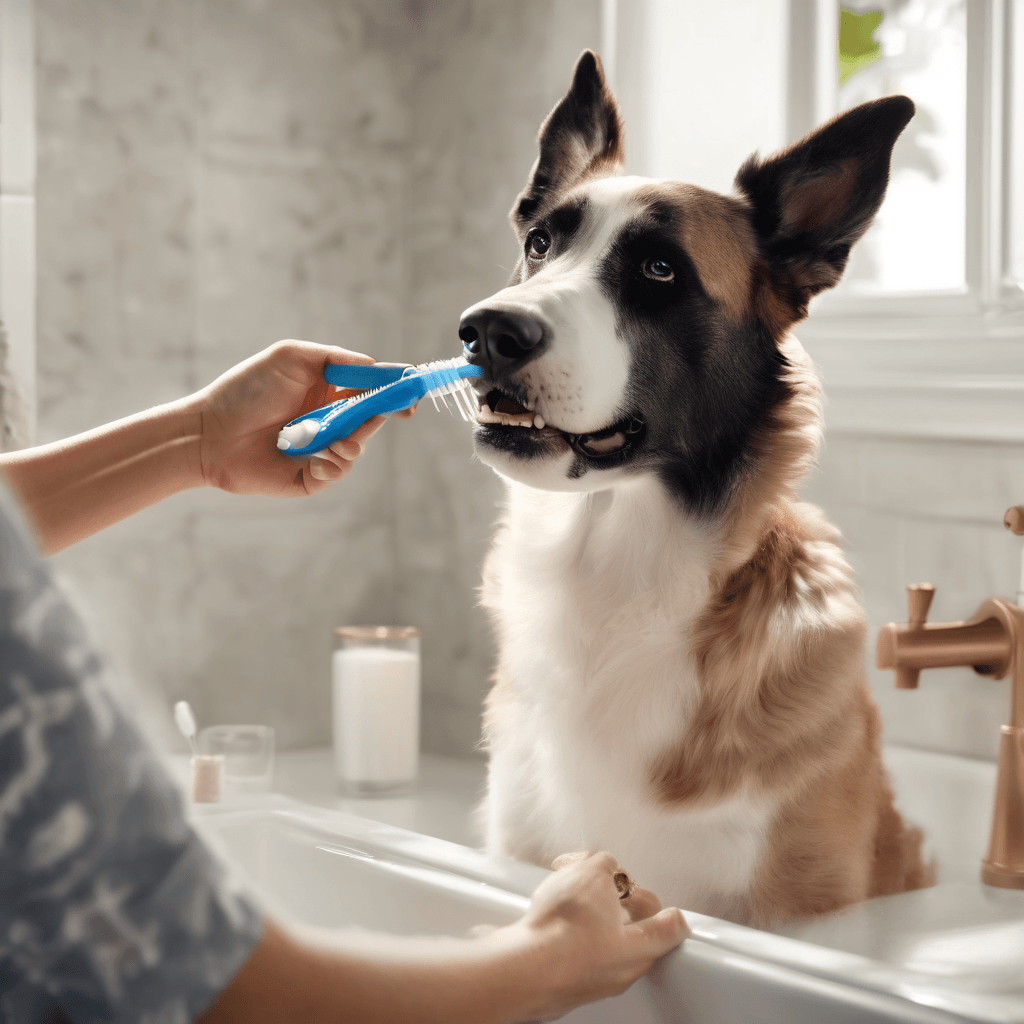
By age three, most dogs show some degree of dental disease — and most owners never notice, because dogs hide dental pain the way their ancestors had to. Bad breath, drooling, and dropping food are often dismissed as normal aging when they are actually signs of infection that spreads to the heart, kidneys, and liver.
This guide covers the home care that genuinely works, how professional cleanings fit in, and the signs that dental disease is already advanced.
Why It Matters More Than Owners Think
Dental disease is not a cosmetic problem. Bacteria from infected gums enter the bloodstream and colonize organs:
- Heart valve infections and heart disease risk increase with untreated dental disease
- Kidney and liver damage from chronic bacterial exposure
- Jawbone deterioration from advanced periodontal disease
- Chronic pain that changes behavior — irritability, withdrawal, reluctance to play
- Tooth root abscesses that swell the face and require extraction
Prevention is daily plaque removal, and treatment is professional cleaning under anesthesia. Home care reduces how often the expensive visits are needed; it does not replace them entirely.
Brushing: The Gold Standard
Brushing is the only home method that removes plaque at the gumline, where disease starts. Everything else is supplemental:
- Use dog-specific toothpaste. Human toothpaste contains fluoride and often xylitol, both toxic to dogs. Dog toothpaste comes in flavors dogs accept — poultry and beef are common.
- Use a dog toothbrush or a finger brush. The angled designs reach back teeth; finger brushes suit small dogs and beginners.
- Brush daily if possible, minimum three times a week. Daily brushing prevents tartar from mineralizing into calculus, which only a professional can remove.
- Technique: lift the lip, brush at a 45-degree angle to the gumline in small circles, focusing on the outer surfaces — the tongue cleans the inner surfaces reasonably well.
- Back teeth matter most. That is where tartar accumulates first and where owners brush least.
Training a Dog to Accept Brushing
Most dogs resist brushing because it was introduced as a sudden face-assault. Build tolerance instead:
- Let the dog lick toothpaste off your finger — pair the flavor with something good.
- Touch the teeth with your finger for a second, treat, done.
- Introduce the brush on the front teeth for a few seconds, treat generously.
- Extend gradually to back teeth and longer sessions over one to two weeks.
- End while the dog is still accepting it. Short and positive beats long and traumatic.
What Else Helps (and What Does Not)
- Dental chews: VOHC-approved products reduce plaque somewhat. They work mechanically as the dog chews — the shape and texture matter more than any additive. Avoid hard antlers, bones, and hooves, which fracture teeth.
- Dental diets: prescription dental kibble has a fiber structure that scrubs teeth as the dog chews. They help as part of the diet, not as a standalone fix.
- Water additives: reduce bacteria somewhat, with modest evidence. They are an adjunct, never the primary strategy.
- Dental toys: rubber toys with nubs can help, but nothing replaces mechanical plaque removal at the gumline.
- What does not work: hard bones, antlers, ice cubes, and chew toys harder than teeth. Fractured teeth are painful, expensive, and common in dogs given hard chews.
Professional Cleaning: When and How Often
- Small and toy breeds: annually from about two years of age, sometimes earlier. Crowded teeth trap plaque and these breeds are predisposed.
- Medium and large breeds: every one to two years, based on your vet’s exam and how effective home care is.
- What it involves: examination, dental X-rays under sedation or anesthesia, scaling above and below the gumline, and polishing. Anesthesia-free cleanings are cosmetic only — they cannot clean below the gumline, which is where the disease lives.
- Pre-anesthetic bloodwork confirms your dog is healthy enough for sedation, and the exam under anesthesia catches problems invisible in a awake dog.
The cost of professional cleaning is real, but the cost of advanced dental disease — extractions, antibiotics, organ damage — is higher, and the pain is the part dogs cannot tell you about.
Signs Dental Disease Is Already Happening
- Persistent bad breath — the most common early sign, and always abnormal in dogs
- Yellow or brown crust on teeth, especially at the gumline — hardened tartar
- Red, swollen, or bleeding gums
- Drooling more than usual, or blood in saliva or water bowls
- Dropping food, chewing on one side, or refusing hard kibble
- Pawing at the mouth or facial swelling — possible abscess
- Reluctance to play with toys or head shyness when touched
Any of these means a vet exam, and most mean a professional cleaning is due. By the time a dog shows obvious pain, the disease is advanced.
Frequently Asked Questions
Is anesthesia-free dental cleaning safe?
No meaningful cleaning happens below the gumline without anesthesia, and that is where periodontal disease lives. Anesthesia-free cleanings address the visible surface only and give false reassurance. Professional cleaning under anesthesia with X-rays is the standard of care.
My dog will not tolerate brushing. What now?
Dental chews, dental diets, and water additives help as adjuncts, but professional cleanings become more important. Ask your vet about a dental hygiene demonstration — many clinics coach owners through the training.
Do puppies need dental care?
Yes, to build the habit. Puppy teeth get brushed with puppy toothpaste, which trains tolerance before adult teeth and real plaque arrive.
Are hard bones safe for teeth?
No. Bones, antlers, and hooves are harder than teeth and are a leading cause of fractured teeth. Fractures expose the nerve, are painful, and usually need extraction or root canal.
The Bottom Line
Brush daily with dog toothpaste — it is the only home method that removes plaque where disease starts — and train acceptance gradually rather than forcing it. Add VOHC-approved chews as adjuncts, skip hard bones, and schedule professional cleanings under anesthesia based on breed and exam findings: annually for small dogs, every one to two years for larger ones. Bad breath, tartar, bleeding gums, or dropping food are not normal aging — they are signs to book the vet. Dental care is not cosmetic; it is infection prevention.
Leave a Reply