
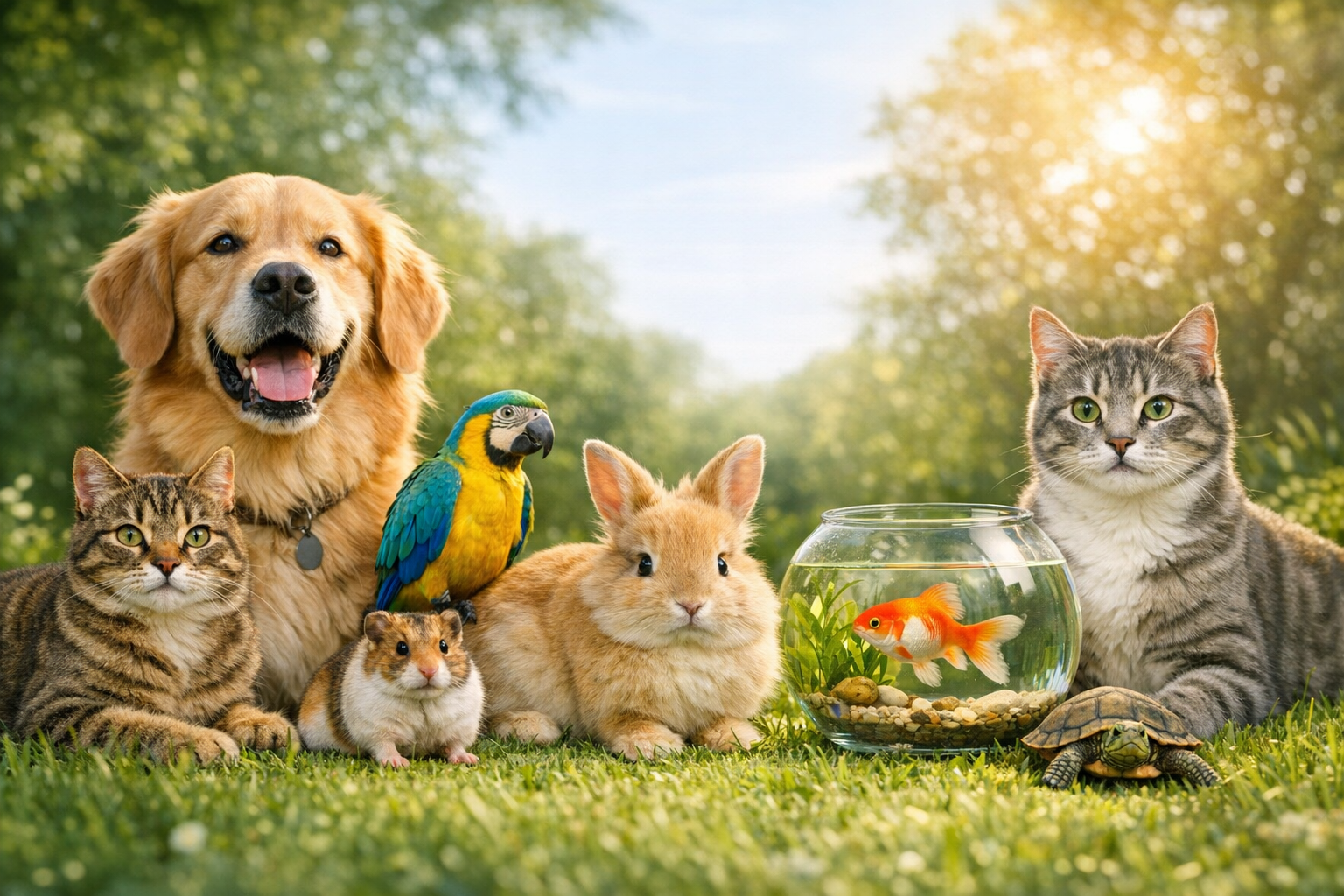
Getting Started with Dwarf Rabbit Care
Dwarf rabbit care begins the moment you decide to bring one of these tiny, energetic companions into your home. Their small size and delicate nature mean they require thoughtful preparation and attention to detail.
Unlike larger rabbit breeds, dwarf rabbits have faster metabolisms and can be more sensitive to changes in their environment. Understanding their unique needs will help you build a trusting relationship from day one.
Essential Supplies for Dwarf Rabbit Care
Setting up a proper habitat is the foundation of happy dwarf rabbit care. You will need a spacious enclosure, safe bedding, and daily enrichment items before your rabbit arrives.
Choosing the right supplies early prevents stress for both you and your pet. Let’s go through the must-have items for a healthy start.
Choosing the Right Enclosure
Dwarf rabbits need at least 4 square feet Rabbit Welfare Association of floor space inside their enclosure, with additional playtime outside daily. A wire-sided cage with a solid or plastic bottom works well, but a puppy-style exercise pen offers more room to hop.
Avoid cages with wire floors, as they can cause sore hocks even in lightweight dwarf breeds. The enclosure should be placed in a quiet, draft-free area of your home with natural light but no direct sun.
Bedding and Litter Options
Soft, absorbent bedding is critical for dwarf rabbit care because their small paws are prone to irritation. Aspen shavings, recycled paper pellets, or soft fleece liners are all good choices.
Never use cedar or pine shavings, as the aromatic oils can damage a rabbit’s sensitive respiratory system. A layer of bedding over a newspaper or puppy pad liner makes cleaning much easier.
Food and Water Stations
Provide fresh water at all times using a heavy ceramic bowl or a sipper bottle attached securely to the enclosure. Bowls can tip, so choose a wide, shallow one that stays put.
Food dishes should be sturdy and wide enough to prevent whisker fatigue, which can bother dwarf rabbits with their tiny faces. Separate stations for hay, pellets, and fresh greens keep things tidy.
Daily Dwarf Rabbit Care Routine
Consistency is key in dwarf rabbit care. A predictable daily routine helps your rabbit feel secure and makes it easier for you to spot any changes in behavior or appetite.
Each day includes feeding, exercise, cleaning, and social time. Breaking these tasks into morning and evening sessions works well for most owners.
Morning Feeding and Check-In
Start the day by offering fresh hay, a small portion of high-quality pellets, and a bowl of clean water. Dwarf rabbits should have unlimited grass hay like timothy or orchard grass to maintain healthy digestion.
While you fill the dishes, observe your rabbit’s energy level and check that droppings are normal. Any sign of lethargy or reduced appetite warrants immediate veterinary attention.
Evening Exercise and Play
Evenings are ideal for free-roaming time in a rabbit-proofed room. Dwarf rabbits love to explore, and supervised exercise prevents obesity and boredom.
Remove electrical cords, toxic plants, and small objects that could be nibbled. A sturdy play tunnel or cardboard boxes with cut-out doors give them fun hiding spots.
Spot Cleaning and Hygiene
Daily spot cleaning of soiled bedding and litter areas reduces odors and keeps your rabbit’s coat clean. Dwarf rabbits can develop urine scald if they sit on damp surfaces.
Wipe down food bowls and water bottles regularly to prevent bacterial growth. A clean habitat is one of the simplest ways to improve dwarf rabbit care.
Understanding Dwarf Rabbit Nutrition
Proper nutrition influences every aspect of dwarf rabbit care. Their digestive systems are designed for a high-fiber, low-sugar diet that mimics what cottontails eat in the wild.
Overfeeding pellets or offering too many treats can lead to dangerous health problems like GI stasis and dental disease. Focusing on hay will keep your rabbit thriving.
The Hay Foundation
At least 80% of your dwarf rabbit’s diet should be grass hay. Hay wears down continuously growing teeth and moves food through the gut efficiently.
Offer a generous pile twice a day, and try different grass blends like meadow hay for variety. Alfalfa hay is too rich for adult dwarf rabbits and should be avoided except as an occasional treat.
Pellets and Portion Control
High-quality timothy-based pellets provide concentrated vitamins, but portion size matters immensely. An adult dwarf rabbit typically needs only 1/8 to 1/4 cup of pellets per day.
Look for pellets with 18–22% fiber and no added seeds, dried fruits, or colorful bits. These extras are high in sugar and lead to selective feeding.
Fresh Greens and Safe Vegetables
Introduce leafy greens slowly, one type at a time, to monitor for digestive upset. Romaine lettuce, cilantro, parsley, dandelion greens, and carrot tops are all excellent choices.
Aim for about a cup of fresh greens per two pounds of body weight daily. Avoid iceberg lettuce, which has little nutrition and can cause loose stools.
Treats and What to Skip
Fruits like apple slices, blueberries, or a thin piece of banana make tasty rewards but should be given sparingly. The high sugar content can upset the delicate balance required in dwarf rabbit care.
Never give your rabbit chocolate, bread, crackers, yogurt drops, or any processed human food. A small piece of carrot or a fragrant herb is a far better choice.
Health Considerations in Dwarf Rabbit Care
Dwarf rabbits are generally hardy, but their compact anatomy makes some health issues more common. Knowing what to watch for and finding a rabbit-savvy veterinarian is a core part of responsible dwarf rabbit care.
Prevention through diet and hygiene is far easier than treating advanced conditions, so stay observant and act quickly when something seems off.
Dental Problems and Prevention
Misaligned incisors and molar spurs are frequent in dwarf rabbits because of their shortened skull shape. Unlimited hay, safe wooden chews, and regular vet checkups help keep teeth worn evenly.
Signs of dental trouble include drooling, reduced appetite, and dropping food. Never wait to see if these symptoms resolve on their own.
Gastrointestinal Stasis
GI stasis is a silent emergency in dwarf rabbit care. It occurs when the gut slows down or stops, often triggered by stress, pain, or a low-fiber diet.
If your rabbit stops eating, produces no droppings, or sits hunched and unwilling to move, contact your veterinarian immediately. Early treatment can be lifesaving.
Parasites and Skin Care
Even indoor rabbits can develop fur mites or get fleas from other pets. Regular grooming and checking for dandruff, bald patches, or excessive scratching help catch infestations early.
Never use over-the-counter flea treatments meant for cats or dogs. A vet will prescribe a rabbit-safe option if needed.
Vaccinations and Routine Vet Visits
Depending on where you live, your dwarf rabbit may need vaccinations against Rabbit Hemorrhagic Disease Virus (RHDV) and myxomatosis. An exotic vet will guide you on the local risks.
Schedule annual wellness exams even if your rabbit appears healthy. Early detection of subtle issues like heart murmurs or uterine tumors in unspayed females can extend lifespan.
Behavior and Enrichment in Dwarf Rabbit Care
Mental stimulation is just as important as physical health. Dwarf rabbit care that ignores enrichment often results in destructive chewing and withdrawn personalities.
Understanding natural behaviors like digging, tossing, and hiding will help you create a home your rabbit loves. Tiny bunnies need big activities.
Building Trust and Socialization
Dwarf rabbits can be shy, so use gentle, patient interactions. Sit on the floor at their level, offer treats from your hand, and let them approach you first.
Never chase or forcefully pick up your rabbit, as prey animals find this terrifying. Positive reinforcement with a soft voice and clicker training works wonders.
DIY Toys and Puzzle Feeders
Simple toys made from untreated cardboard tubes, seagrass mats, and paper bags entertain for hours. Fill a small cardboard box with hay and a hidden pellet to encourage natural foraging.
Puzzle feeders enable slow eating and keep a sharp mind busy. Rotate toys weekly to maintain your rabbit’s interest.
Digging and Chewing Outlets
A dig box filled with shredded paper or child-safe sand gives your dwarf rabbit an acceptable place to dig. This satisfies a powerful instinct without ruining your carpet.
Provide safe chew branches from apple, willow, or aspen trees. Chewing isn’t destructive in the right context—it’s dental and mental maintenance.
The Need for Rabbit Company
Dwarf rabbits are social and often thrive with a neutered companion of similar size. Bonding two rabbits requires patience, but it can greatly improve their emotional well-being.
If a second rabbit isn’t possible, commit to extra one-on-one time each day. A lonely rabbit may become depressed or overly clingy.
Seasonal and Special Dwarf Rabbit Care Tips
As the weather changes, so does your approach to dwarf rabbit care. Their small bodies are more vulnerable to temperature extremes than larger breeds.
Indoor rabbits generally live in stable conditions, but seasonal hazards like drafts, high humidity, and summer heat still require attention.
Keeping Cool in Summer
Heatstroke is a serious risk for dwarf rabbits. Keep the room temperature below 75°F and provide frozen water bottles wrapped in a towel for your rabbit to lie against.
A ceramic tile or chilled marble slab also gives a cool resting spot. Watch for panting, red ears, or sprawled lethargy, and act quickly.
Winter Warmth and Comfort
Indoors, avoid placing the enclosure near drafty windows or heating vents that create uneven temperatures. Extra fleece blankets and deeper bedding help your rabbit feel snug.
If your home is dry from heating, a humidifier can protect your rabbit’s delicate respiratory passages. Monitor water bottles to ensure the sipper tube doesn’t freeze if the area is chilly.
Travel and Boarding Considerations
Travel stresses dwarf rabbits, so plan ahead. Use a secure carrier with hay, a small amount of pellets, and a familiar blanket inside.
If you must board your rabbit, choose a caregiver experienced in dwarf rabbit care. Write down feeding amounts, vet contact info, and any personality quirks.
Common Mistakes in Dwarf Rabbit Care
Many new owners fall into predictable pitfalls that could be easily avoided. Recognizing these mistakes early will save you vet bills and heartache.
Even with the best intentions, gaps in knowledge happen. Let’s address the most frequent errors so you can give your rabbit the best life possible.
Picking up a rabbit while the hind legs dangle unsupported can cause spinal injuries. Dwarf rabbits have fragile bones and must always have their back end supported.
Another error is keeping a rabbit confined to a cage all day. Dwarf rabbits need hours of exercise and exploration, not just basic care.
Overlooking subtle signs like smaller droppings or a slight head tilt can delay crucial treatment. Daily observation is one of the simplest forms of dwarf rabbit care.
Finally, skipping spay or neuter surgery increases health risks and behavior problems. Spaying female dwarf rabbits early can prevent uterine cancer later in life.
Grooming and Handling in Dwarf Rabbit Care
Gentle grooming strengthens your bond and keeps your dwarf rabbit’s coat in top condition. Most dwarf breeds have short, dense fur that requires weekly brushing.
Handling sessions should be calm, short, and paired with a small reward. This makes future nail trims and health checks far easier.
Brushing and Shedding Cycles
During heavy sheds, daily brushing with a soft slicker brush or rubber grooming mitt removes loose fur and prevents hairballs. Dwarf rabbits cannot vomit, so ingested fur causes blockages.
Be especially thorough around the rump and belly, where matts can form. Reward your rabbit frequently so grooming feels like bonding, not a chore.
Nail Trimming Basics
Dwarf rabbit nails grow quickly and curl inward, making trimming essential every 4–6 weeks. Use small scissor-style clippers with a safety guard, and have styptic powder ready in case of a quick nick.
If you are nervous, ask your vet or a rabbit rescue volunteer to demonstrate. Clear, patient handling turns a stressful task into a routine.
Ear and Scent Gland Checks
Dwarf rabbits’ ears should be clean and free of discharge or crust. A gentle wipe with a damp cotton pad is all that’s needed unless your vet advises otherwise.
Scent glands located near the anus sometimes accumulate a waxy orange residue. During grooming, check these areas and clean sparingly with a dampened cotton swab.
Bringing a Dwarf Rabbit into a Multi-Pet Home
Harmony takes work when you share your home with cats, dogs, or other small animals. Dwarf rabbit care in a multi-pet household requires supervision and slow introductions.
Prey instinct in dogs and cats can override training, so never leave them alone together. A successful integration depends on reading body language from all animals involved.
Introducing to Cats and Dogs
Keep initial meetings behind a barrier like a sturdy baby gate. Allow the rabbit to observe the other pet from safety without any forced closeness.
Reward calm behavior with treats, and end the session if either animal becomes tense. Even a playful paw swipe can seriously injure a tiny dwarf rabbit.
Other Small Pets and Space Sharing
Guinea pigs and rabbits should not be housed together due to differing dietary needs and the risk of injury or disease transmission. Separate living spaces are safest.
If you have free-roaming birds, ensure that droppings cannot contaminate the rabbit’s enclosure. Cleanliness becomes even more critical in a mixed-species household.
When Your Dwarf Rabbit Ages
As dwarf rabbits enter their senior years, things change. Adjusting your dwarf rabbit care routine helps them age with comfort and dignity.
Senior rabbits often slow down and may need softer foods, more padding, and gentler handling. Recognizing these needs makes their golden years peaceful.
Adjusting Diet for Older Rabbits
Weight loss or dental wear might require switching to a soaked pellet mash or offering finely chopped greens. Keep hay available, but monitor that they are still eating enough.
Alfalfa may be reintroduced in modest amounts under veterinary guidance for thin seniors. Hydration becomes even more critical, so offer water in both a bowl and bottle.
Mobility and Comfort Modifications
Arthritis is common in older dwarf rabbits. Provide low-entry litter boxes and soft fleece bedding over memory foam to cushion joints.
Keep the living space all on one level and consider adding gentle ramps. Regular vet checks can catch pain before it causes severe mobility loss.
End-of-Life Care and Decisions
Prepare for tough decisions by discussing quality-of-life indicators with your vet. Watching for signs of chronic pain, incontinence, or refusal to eat guides compassionate choices.
Your love and commitment to dwarf rabbit care mean making the hardest call when the time comes. Surround your aging bunny with softness, familiar scents, and your calm presence.
Building a Long-Term Bond Through Dwarf Rabbit Care
True connection comes from daily small moments. The way you speak, move, and anticipate needs creates a language all your own.
Dwarf rabbit care isn’t just about feeding and cleaning—it’s about learning to read whisker twitches, ear angles, and happy binkies that mean pure joy.
Consistent, kind care builds a foundation where your rabbit feels safe enough to show personality quirks. Some will nudge your hand for pets; others will zoom around your feet at dusk.
Respect their boundaries and celebrate progress, like the first time your shy bunny grooms you. These milestones are the heart of the relationship.
Conclusion
Mastering dwarf rabbit care is a journey that rewards you with an intelligent, affectionate companion. From enclosure setup to lifelong wellness, each choice directly shapes your rabbit’s happiness and health.
Emphasizing hay-rich nutrition, consistent routines, and gentle handling will prevent most common problems. Stay curious, keep learning, and relish the quiet moments that make dwarf rabbit care so fulfilling.
Leave a Reply