
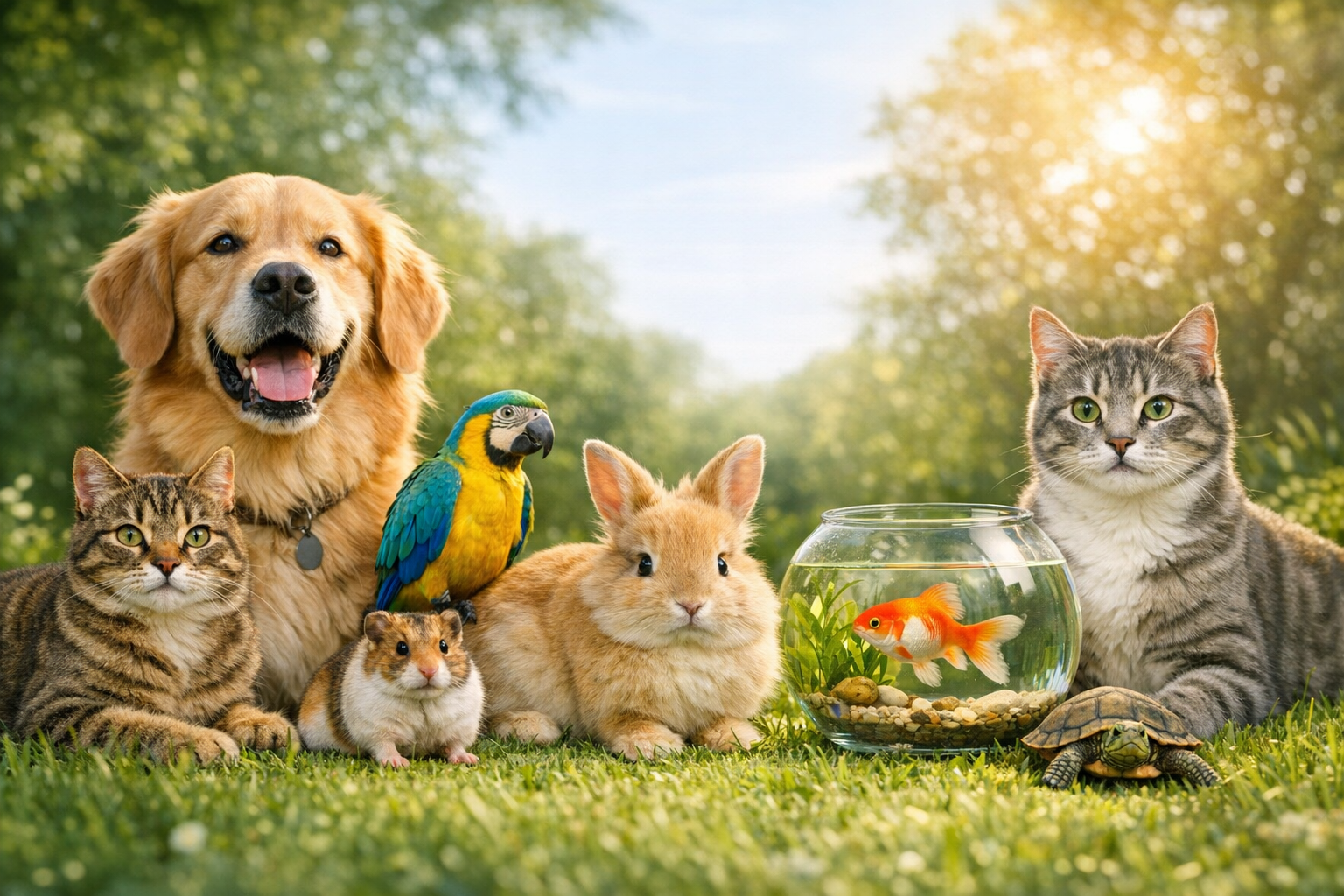
Why Pet Safe Cleaning Matters
Pet safe cleaning is more than a trend; it’s a responsible way to protect the furry members of your family. Everyday cleaners can leave behind residues that pets absorb through their paws or ingest during grooming. Switching to pet safe cleaning methods reduces the risk of poisoning, respiratory issues, and skin irritation.
Many standard products contain ammonia, bleach, and phenols that are toxic to animals. Birds and cats are especially sensitive to airborne chemicals. A home that smells fresh from harsh chemicals isn’t actually safe, and pet safe cleaning ensures you never have to choose between cleanliness and your pet’s health.
Common Household Cleaning Hazards for Pets
Floor cleaners are among the biggest offenders. Pets walk across wet surfaces, then lick their paws, ingesting whatever you used. Even “natural” fragrances can contain compounds that irritate a dog’s nose or a cat’s respiratory tract.
Laundry detergent pods and fabric softener sheets look like toys to curious animals. Ingesting even a small piece can cause burns in the mouth and stomach. Keeping these items locked away is a simple pet safe cleaning habit, but the products themselves still present a risk if residue lingers on bedding your pet loves.
Toilet bowl cleaners pose a doubled threat: pets can drink from the bowl if a cleaning tablet is dissolved there, or lick the rim after a fresh application. A single exposure can cause vomiting, drooling, and chemical burns. Transitioning to non-toxic alternatives is a cornerstone of genuine pet safe cleaning.
Pet Safe Cleaning Ingredients You Can Trust
White vinegar is a powerhouse in the world of pet safe cleaning. It cuts through grease, neutralizes odors, and is safe if a pet happens to walk across a freshly sprayed surface after it dries. Diluted with water, it works on glass, counters, and sealed floors without leaving toxic residue.
Baking soda is another staple for pet safe cleaning. It absorbs odors in carpets and upholstery, scrubs sinks, and helps lift stains when mixed into a paste. Since it’s food-grade, accidental ingestion in small amounts won’t harm your pet, though you should still vacuum it up thoroughly.
Unscented castile soap provides a gentle but effective American Kennel Club base for liquid cleaning solutions. Unlike dish detergents with synthetic fragrances and sulfates, castile soap rinses clean and doesn’t leave behind a film that might attract your pet’s tongue. Combine it with water and a few drops of lavender-free essential oil for an all-purpose spray.
DIY Pet Safe Cleaning Recipes
Making your own cleaners puts you in full control of what touches the floors and surfaces your pet investigates daily. An all-purpose pet safe cleaning spray can be mixed from one part white vinegar, one part water, and a tablespoon of baking soda dissolved slowly to avoid fizzing over.
For a glass and mirror cleaner that won’t endanger your cat’s favorite windowsill perch, use a quarter cup of vinegar, two cups of water, and a tiny squeeze of castile soap. This mixture removes paw prints and smudges without ammonia. Wipe with a microfiber cloth for a streak-free finish that aligns perfectly with pet safe cleaning principles.
Carpet deodorizer often relies on heavy perfumes that mask rather than eliminate pet odors. A pet safe cleaning alternative uses one cup of baking soda mixed with a tablespoon of arrowroot powder and a half-teaspoon of non-clumping, fragrance-free diatomaceous earth. Sprinkle lightly, leave for fifteen minutes, then vacuum thoroughly to remove pet hair and dander at the same time.
Pet Safe Cleaning for Every Room in Your Home
Kitchen Floors and Counters
Food spills in the kitchen attract pets, so you need a cleaner that isn’t harmful when licked. Steam cleaning with just water is one of the most effective pet safe cleaning methods for sealed hard floors. The high temperature sanitizes without chemicals, and no residue remains after the floor dries.
For daily counter wipes, keep a spray bottle of diluted vinegar handy. It cuts through grease from pet food cans and safely cleans around the feeding station. Even the steam from boiling water with a splash of vinegar can loosen grime around the stove without releasing fumes that irritate a bird’s delicate respiratory system.
Living Room and Upholstery
Sofas and rugs trap pet hair, dander, and the occasional accident. A pet safe cleaning approach here means choosing biodegradable enzyme cleaners for organic stains. Enzymes break down urine proteins at the molecular level, eliminating the scent so your pet won’t remark the spot, and they are safe once dry.
For routine dusting, a damp microfiber cloth captures hair and particles without dispersing them into the air. Skip the aerosol furniture polish; its silicone-based formulas can cause gastrointestinal upset if a cat walks across the table and grooms its paws. Simply dampening the cloth with water achieves a similar shine while honoring pet safe cleaning standards.
Bathrooms and Laundry Areas
Many people store cleaning supplies under bathroom sinks, which a clever pet can nose open. Pet safe cleaning includes storing all products, even green ones, in latched cabinets. In the bathroom, scrub tubs and sinks with a paste of baking soda and liquid castile soap—it rinses away completely and won’t harm paws that later explore the damp tub.
When washing pet bedding, use fragrance-free, dye-free detergent and add a half-cup of white vinegar to the rinse cycle. The vinegar naturally softens fabrics and acts as a mild disinfectant without leaving a residual scent that might bother your pet. Avoid dryer sheets entirely; their chemicals can transfer to fur and be ingested during grooming.
Choosing Commercial Pet Safe Cleaning Products
Reading labels becomes second nature when you commit to pet safe cleaning. Look for products that list all active ingredients clearly and avoid vague terms like “fragrance” or “proprietary surfactant blend.” A credible pet safe cleaning brand will use plant-based enzymes, food-grade preservatives, and minimal essential oils.
Certifications help but aren’t infallible. The EPA’s Safer Choice label indicates a product has been evaluated for human and environmental safety, which often overlaps with pet safety. Still, cross-check the ingredient list because a product free of volatile organic compounds might still contain tea tree oil, which is toxic to cats even in airborne form. True pet safe cleaning demands that you scrutinize beyond marketing claims.
Concentrated formulas present both an advantage and a risk. Diluting them incorrectly can leave behind a residue strong enough to irritate sensitive paw pads. Always follow the measuring instructions precisely, and test a small hidden area of flooring before full application. If the dried surface feels slick or smells at all, rinse with plain water as an extra pet safe cleaning step.
Pet Safe Cleaning Habits to Adopt Today
Rinse, rinse, rinse becomes a mantra for truly effective pet safe cleaning. Even a cleaner considered safe should be wiped again with a water-damp cloth to remove any leftover film. This habit protects curious tongues and prevents the buildup of cleaning agents over time.
Open windows during and after cleaning. Better ventilation helps any mild fumes dissipate quickly, reducing a pet’s exposure. This is especially important when cleaning bird cages or reptile enclosures, where the enclosed space traps airborne chemicals. Air circulation is a free and powerful pet safe cleaning tool that too many people ignore.
Establish a cleaning schedule that removes the need for harsh chemicals. Frequent vacuuming with a HEPA filter reduces dander, dust, and tracked-in chemicals from outdoors before they settle deep into carpets. The less grime accumulates, the milder your cleaning solutions can be. Proactive upkeep is the quiet engine behind a pet safe cleaning routine.
Addressing Pet Messes Without Harsh Chemicals
Accidents happen, and stain panic often leads people to grab the strongest chemical they can find. A pet safe cleaning approach for urine, vomit, or feces relies on immediate blotting, never rubbing. Use paper towels or an old cotton cloth to absorb as much liquid as possible before applying any cleaner.
After blotting, apply a solution of equal parts water and white vinegar, then blot again. Vinegar neutralizes ammonia and discourages remarking, but it should never be mixed with bleach, as the combination creates toxic chloramine gas. Once the area is almost dry, if an odor persists, an enzymatic cleaner formulated for pet safe cleaning can finish the job.
For solid messes on carpet, freeze the spot with an ice cube to harden the residue, then scrape it away with a plastic spatula. This avoids pushing the substance deeper into fibers. Baking soda sprinkled after the area is completely dry will absorb lingering odors naturally, a classic pet safe cleaning tip that’s stood the test of time.
Understanding Why Pets React to Cleaning Chemicals
Dogs and cats have a much more acute sense of smell than humans, which means a “light citrus scent” to us can be overpowering and stressful for them. Many cleaning products mask odors with synthetic musks and limonene that trigger allergic reactions or anxiety. Pet safe cleaning prioritizes odor removal over odor covering.
Pets also have faster metabolisms and smaller body weights, so a dose that seems trivial to a human can overwhelm a small animal’s liver and kidneys. Birds are especially vulnerable because their respiratory system extracts oxygen far more efficiently, which also concentrates airborne toxins. Incorporating pet safe cleaning is an act of empathy grounded in basic biology.
Skin exposure is another overlooked risk. A cat that curls up on a freshly mopped floor will absorb residues through the thin skin of its belly. Over time, this leads to chronic dermatitis and hair loss that often puzzles owners. Eliminating those residues through pet safe cleaning practices often resolves such issues without medication.
Pet Safe Cleaning and Multiple Pet Households
Homes with both cats and dogs, or small pets like rabbits and guinea pigs, require extra diligence. A cleaner safe for a dog might not be safe for a cat, who lacks certain liver enzymes to process essential oils like eucalyptus and pine. Pet safe cleaning in a multi-species home means choosing the least common denominator: fully fragrance-free, plant-based ingredients that harm no one.
Litter boxes can concentrate ammonia from urine, tempting owners to use potent disinfectants. Instead, empty the box and scrub it with hot water and unscented soap. For a deeper clean, soak the box in a solution of one part vinegar to three parts water, then rinse thoroughly. This keeps the environment hygienic without introducing bleach fumes that bother your cat’s lungs.
Small mammals housed in cages often sit directly on bedding that’s been sprayed with cleaner if you treat the area nearby. Remove the cage from the room entirely while cleaning, and only return it after all surfaces are dry and the air has been refreshed. Their sensitive respiratory systems make this an absolute pet safe cleaning essential.
Myths About Pet Safe Cleaning
One persistent myth is that “natural” always means safe. Poison ivy is natural too. Lemon essential oil, often found in green cleaners, can cause severe drooling and tremors in cats if they’re exposed to concentrated forms. Pet safe cleaning requires evaluating each ingredient individually, not just trusting a leaf on the label.
Another myth claims that vinegar leaves behind a scent that makes dogs urinate in the same spot. While vinegar smells sharp initially, once it dries completely, the odor disappears to human noses and doesn’t attract pets. In fact, many professional kennels use diluted vinegar as part of their pet safe cleaning protocol for kennel runs and concrete floors.
Some believe that steam cleaning alone disinfects enough to handle contagious diseases. Steam kills most bacteria and viruses, but it must maintain surface contact at the right temperature for several seconds. It’s effective as part of a layered pet safe cleaning strategy but shouldn’t replace thorough washing of bedding and toys with soap and water when illness is present.
Building a Pet Safe Cleaning Kit
A dedicated caddy for pet safe cleaning keeps you from reaching for the wrong product in a hurry. Stock it with white vinegar, baking soda, castile soap, hydrogen peroxide (3% food grade, stored in a dark bottle), microfiber cloths, a spray bottle, and an enzymatic cleaner specifically labeled for pets.
Hydrogen peroxide can brighten grout and remove set-in stains, but it must dry completely before a pet is allowed near the area. In its wet form, it can cause mild skin irritation. Knowing the drying time and using it only when pets are confined elsewhere is part of an educated pet safe cleaning mindset.
Include a squeegee if you have tiled areas. After a cleaning solution is wiped away, a final pass with plain water and a squeegee removes any traces of product and speeds drying. This simple addition to your routine elevates everyday pet safe cleaning, especially in entryways where pets first walk in from outside.
Seasonal Pet Safe Cleaning Considerations
Winter brings salt and chemical de-icers onto driveways and sidewalks. Pets walk through these and then lick their paws, ingesting calcium chloride or magnesium chloride. Create a paw-washing station with a shallow pan of warm water and a pet safe cleaning wipe (just a wet microfiber cloth) near the door to remove residue before it enters the house.
In spring, pollen coats outdoor surfaces and gets tracked indoors. Use a damp mop with only water to collect pollen from hard floors. Avoid sweeping, which sends allergens airborne and into your pet’s respiratory tract. A HEPA-filter vacuum on carpets and frequent curtain washing round out seasonal pet safe cleaning that keeps both your home and your pet breathing easier.
Summer humidity can amplify mold growth in basements and bathrooms, posing a health risk to pets with allergies. Spray undiluted white vinegar onto non-porous surfaces, let it sit for an hour, then scrub. Vinegar kills most mold species effectively. The scent dissipates as it dries, leaving a safer space—another testament to simple pet safe cleaning solutions.
Teaching Kids About Pet Safe Cleaning
Children often want to help with chores, but they may not understand that cleaning products, even green ones, aren’t for pet care. Explain that a spray bottle used on the floor stays on the floor and never gets pointed at the pet’s face or food bowl. When kids participate in pet safe cleaning, it’s a chance to teach empathy and responsibility.
Give children a small, properly labeled spray bottle with just water and a drop of vinegar, and let them wipe baseboards or their own play areas. Supervise them to ensure they don’t mix anything. This inclusive approach builds lifelong habits around pet safe cleaning without exposing animals to accidental squirts or spills.
Use this as an opportunity to talk about reading ingredient labels. Show them how to identify the Safer Choice logo or the words “free of synthetic fragrance.” When children understand the “why” behind pet safe cleaning, they become advocates for the family’s animals, often reminding adults to put supplies away properly.
Bringing Pet Safe Cleaning into Your Routine Permanently
Shifting to pet safe cleaning doesn’t have to be overwhelming. Start by swapping out one product each month. Replace the floor cleaner first, then the bathroom spray, then the carpet deodorizer. Gradual changes stick better and let you adjust to new habits without sacrificing cleanliness.
Observe your pet’s behavior after cleaning. Reduced sneezing, less paw licking, or a calmer demeanor are signs that your efforts are paying off. These subtle hints reinforce that pet safe cleaning benefits the entire household ecosystem, not just the animals.
Keep a simple journal on your phone for a couple of weeks, noting which homemade cleaners work best on stubborn stains or muddy paw prints. Over time, you’ll build a personalized pet safe cleaning playbook tailored to your home’s surfaces and your pet’s specific sensitivities, making the whole process feel effortless.
In the end, pet safe cleaning is a daily affirmation that your home belongs to every member of your family, including those with four legs and fur. By choosing ingredients that respect a pet’s biology, you create a space that’s genuinely healthy, comfortable, and welcoming for everyone who lives there.
Leave a Reply