
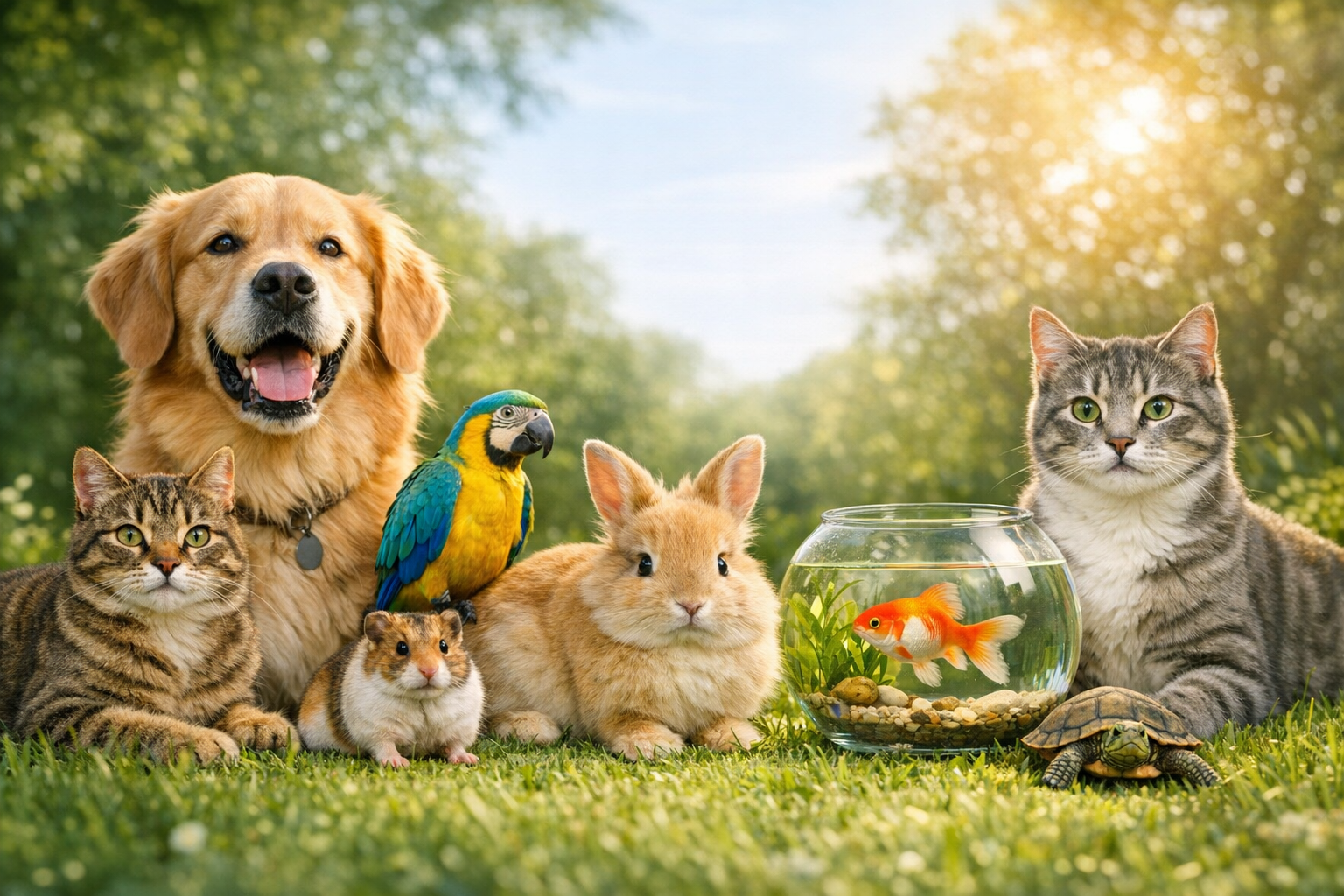
The Importance of Pet Safety
Every pet owner wants to provide a loving home, but true care goes beyond affection and daily meals. It requires a deep commitment to pet safety at all times, because accidents and hidden dangers can lurk in the most unexpected places. Making pet safety a priority means you are actively preventing injuries, poisonings, and stressful situations that could shorten or compromise your companion’s quality of life.
A proactive approach to pet safety not only protects your animal but also gives you peace of mind. From the moment you bring a new animal into your household, every decision you make, from the products you use to the routines you establish, has an impact. Building strong safety habits early sets the stage for a lifetime of well-being.
Many hazards are hidden in plain sight: a dangling blind cord, a common houseplant, an open window, or a seemingly harmless food item. Understanding these risks and knowing how to manage them is the foundation of responsible ownership. This guide walks you through practical, room-by-room, season-by-season strategies to keep your pet out of harm’s way.
Essential Home Pet Safety Measures
Your home should be the safest place for your companion, but everyday objects can become dangerous without proper precautions. Taking time to assess each room through the eyes of a curious animal helps you spot risks before an incident occurs. The following steps will transform your living space into a true haven.
Pet-Proofing Your Living Areas
Start by securing loose wires and electrical cords with protective covers or cord concealers. Chewing on cables can lead to burns, shocks, or even electrocution, especially for puppies, kittens, and rabbits. Tuck cords behind furniture and consider using bitter-tasting deterrent sprays as an extra layer of protection.
Remove small objects that can be swallowed, such as coins, rubber bands, hair ties, buttons, and children’s toys. Items that fit through a toilet paper roll are a choking risk or can cause life-threatening intestinal blockages. Keep remote controls, batteries, and magnets well out of reach, as ingested batteries cause severe internal burns.
Window screens should be sturdy and properly secured American Kennel Club to prevent falls. Cats and small dogs can push through flimsy screens, and an open window without a guard is an invitation for disaster. Install adjustable window stops that limit how far a window can open.
Managing Toxins and Dangerous Foods
Many common household products are poisonous to animals. Cleaning supplies, antifreeze, pesticides, and even certain essential oils can cause immediate harm. Store all chemicals in high cabinets with childproof latches, and never leave a mop bucket of cleaning solution unattended.
The kitchen harbors some of the biggest threats. Foods like chocolate, grapes, raisins, onions, garlic, xylitol, and macadamia nuts are toxic. Even a small amount of unbaked yeast dough or a dropped onion ring can trigger a medical emergency. Keep counters clear, use covered trash cans, and educate every family member about unsafe foods.
Houseplants demand close inspection. Lilies are extremely dangerous for cats, while sago palms, azaleas, and dieffenbachia can harm both cats and dogs. Before bringing any greenery indoors, double-check it against the ASPCA’s list of toxic and non-toxic plants. Place even safe plants in spots where a determined chewer cannot reach them.
Fire and Carbon Monoxide Safety
Pets are vulnerable during house fires because they cannot let themselves out. Install smoke detectors on every level and test them monthly. Affix a pet alert sticker near your front door indicating the number and type of pets inside so first responders know to search for them.
Never leave open flames unattended, including candles, fireplaces, and stove tops. A wagging tail or a curious paw can easily knock over a candle, leading to burns or a house fire. Use flameless LED candles for ambiance and keep fireplace screens securely in place.
Carbon monoxide is a silent threat that affects pets as much as people. Install CO detectors near sleeping areas and check them regularly. Symptoms like lethargy, vomiting, and uncoordinated movement can signal exposure and require immediate veterinary attention.
Outdoor Pet Safety Practices
The outside world offers fresh air and exercise, but it also introduces uncontrollable elements. From traffic to wildlife and temperature extremes, outdoor environments require constant vigilance. Solid pet safety habits outdoors can prevent runaway situations and serious injury.
Secure Fencing and Containment
A sturdy fence is your first line of defense in the yard. Walk the perimeter regularly to check for holes, loose boards, or gaps under gates that could allow a small dog or cat to escape. Keep in mind that some animals are master diggers; bury chicken wire along the fence line or install dig guards to thwart escape artists.
If you use an electric or wireless containment system, remember that it does not prevent other animals or strangers from entering your yard. Physical barriers offer more reliable protection. Always supervise outdoor time, and never leave a pet unattended for long periods, especially in areas where coyotes, hawks, or aggressive dogs are present.
Leash, Harness, and Identification
A properly fitted harness or collar with current identification tags is non-negotiable. Even a well-trained dog can spook at a sudden noise and bolt. Microchipping your pet provides permanent backup identification; just be sure to register the chip and keep your contact information up to date.
Use a sturdy leash of appropriate length—retractable leashes can snap or become tangled around legs and trees. In busy neighborhoods or near roads, a standard six-foot leash offers better control. Before walks, check the leash and collar for wear and replace them at the first sign of fraying.
Water and Weather Awareness
Not all dogs are natural swimmers, and even strong swimmers can get into trouble in rough currents or cold water. Invest in a well-fitted pet life jacket for boating, dock visits, or any time near deep water. Rinse your pet after swimming in pools, lakes, or oceans to remove chlorine, algae, or salt that can irritate skin.
On sweltering days, asphalt and concrete absorb heat quickly. Test the surface with the back of your hand for seven seconds; if it is too hot for you, it is too hot for paw pads. Plan walks for early morning or late evening, and always carry fresh water and a collapsible bowl. Watch for signs of heatstroke, including heavy panting, drooling, and weakness.
When temperatures drop, limit exposure and protect paws from ice, salt, and chemical deicers. Use pet-safe ice melts on your own property and wipe your pet’s feet after walks. A well-fitted sweater or coat helps short-haired breeds stay comfortable, but never leave a pet outdoors in freezing weather without proper shelter.
Seasonal Pet Safety: Protecting Your Pet Year-Round
Each season brings its own set of threats, and adjusting your pet safety routine accordingly is vital. Being attuned to the calendar helps you sidestep hazards that only appear at certain times of the year. A little preparation makes celebrations and weather shifts safe and enjoyable for everyone.
Summer Heat and Thunderstorm Preparedness
Heatwaves demand extra precautions. Never leave a pet in a parked car, even with the windows cracked—temperatures can soar to deadly levels in minutes. On outings, park in the shade, run errands without your pet when possible, and look for pet-friendly stores that allow animals inside.
Summer storms bring the double trouble of loud noise and lightning. Noise phobias can cause panic, leading to escape attempts. Create a cozy, sound-buffered area in a basement or interior room, and consider using a thunder shirt or calming pheromone diffuser. Keep your pet indoors well before a storm hits to prevent them from bolting at the first clap of thunder.
Winter Cold and Holiday Hazards
Frigid temps are hard on joints and paws. Booties can protect against frostbite and chemical burns, but if your pet refuses them, apply a protective paw balm before walks. After coming inside, wipe down legs and belly to remove ice salt residue, and check for snow clumps between toes.
Holiday decorations introduce new risks. Tinsel, ribbons, and ornament hooks can cause intestinal blockages if swallowed, especially in cats. Anchor the Christmas tree to prevent tipping, and keep breakable ornaments on higher branches. Lit candles, often part of holiday displays, should be placed where pets cannot knock them over.
Halloween candy and decorations are similarly hazardous. Chocolate and xylitol are more prevalent in homes during this time, and constantly ringing doorbells can overexcite or frighten pets. Secure your pet in a quiet room away from the front door to reduce stress and prevent escape.
Spring Gardening and Allergy Awareness
As gardens come to life, fertilizers, mulch, and pesticides become common. Cocoa mulch, which smells sweet, contains the same toxic compounds as chocolate. Choose pet-safe alternatives like cedar or pine, and always store garden chemicals in locked sheds.
Many popular spring bulbs, including tulips, daffodils, and hyacinths, are toxic when dug up and chewed. Keep bulbs out of reach and fence off freshly planted beds. At the same time, rising pollen counts can trigger allergies in pets just as in humans, so wipe down coats after outdoor romps and talk to your vet if you notice excessive itching or sneezing.
Travel and Adventure Pet Safety
Taking your pet on trips can strengthen your bond, but the road and sky come with unique pet safety challenges. Planning ahead ensures the adventure stays positive for both of you. Whether you are driving across town or flying across the country, consistency and preparation are key.
Vehicle and Crate Best Practices
Unrestrained pets in a car can distract the driver and become dangerous projectiles in a sudden stop. Use a crash-tested carrier, a pet seat belt, or a vehicle barrier designed for your car’s model. The carrier should be well-ventilated, spacious enough for your pet to stand and turn around, and secured so it cannot slide.
Never allow your pet to ride in the front seat where airbags can cause severe injury. Even on short trips, keep heads and paws inside the vehicle. An excited dog leaning out the window is at risk of eye injuries, ear damage, and being thrown from the car.
Air Travel and Boarding Considerations
If flying, research airline pet policies thoroughly. Many airlines have strict temperature embargoes and require a health certificate issued within a specific timeframe. Whenever possible, bring your pet into the cabin with you; cargo holds can be stressful and dangerous for brachycephalic breeds like bulldogs and Persian cats.
For pets that cannot travel with you, select a boarding facility or pet sitter with care. Visit in advance, ask about emergency protocols, and ensure they have your vet’s contact information. Pack your pet’s usual food, medications, and a comfort item like a favorite blanket to keep routines consistent.
Emergency Pet Safety Preparedness
Emergencies strike without warning, and having a ready plan can save precious minutes. Integrating pet safety into your overall emergency planning protects your entire family. A well-stocked kit and clear evacuation steps make a critical difference.
Building a Pet Emergency Kit
Assemble a grab-and-go bag that includes a week’s supply of food, bottled water, medications, copies of medical records, and recent photos of your pet. Add a spare leash, collar with ID, a muzzle if needed, and a basic first aid manual. Store the kit in an accessible location and check expiration dates every few months.
First aid essentials include gauze pads, adhesive tape, antiseptic wipes, tweezers, and a digital thermometer. Learn how to take your pet’s temperature and recognize normal vital signs. Knowing basic skills like how to bandage a wound or perform pet CPR can stabilize your animal until you reach veterinary care.
Evacuation and Sheltering Plans
Research pet-friendly evacuation shelters and hotels along potential routes in advance. Never assume that a shelter will accept pets unless confirmed. Keep a list of these contacts in your emergency kit and on your phone.
Practice loading your pet into a carrier or car calmly. Animals sense stress, and a smooth evacuation requires that they respond to handling quickly. If you become separated, a microchip and up-to-date ID tags are the strongest links back to you.
Nutrition and Pet Safety
What goes into your pet’s bowl is a daily decision with long-term pet safety implications. Poor nutrition and unsafe feeding habits can lead to obesity, poisoning, and chronic illness. Treat every meal as an opportunity to support your companion’s health and longevity.
Safe Food Handling and Portion Control
Always wash your hands before and after handling pet food, and clean bowls daily to prevent bacterial growth. Store dry food in airtight containers away from heat and moisture. Never feed raw diets without consulting a veterinary nutritionist, as raw meat can harbor salmonella and listeria that affect both pets and humans.
Overfeeding is a common form of neglect that leads to joint stress, diabetes, and heart disease. Follow feeding guides on the packaging, adjusting portions based on activity level and body condition. Treats should make up no more than ten percent of daily calories, and table scraps almost always add empty calories or dangerous ingredients.
Recognizing and Avoiding Dangerous Supplements
Not all supplements sold for pets are safe or necessary. Glucosamine and fish oil can be beneficial when recommended, but random combinations can interfere with medications or cause toxicity. Always consult your veterinarian before adding anything to your pet’s regimen.
Human vitamins and herbal remedies pose serious risks. Iron pills, vitamin D drops, and even natural products like tea tree oil can trigger organ failure. Keep all supplements in pet-proof cabinets and treat them with the same caution as prescription drugs.
Everyday Habits That Strengthen Pet Safety
Building pet safety into your daily rhythm does not require constant overhauling. Small, consistent actions create a safety net that becomes second nature. Over time, these habits reduce the likelihood of emergencies and help you spot problems early.
Start each morning with a quick visual sweep of your home. Look for stray objects on the floor, open doors, or unsecured cleaning products. This two-minute routine catches dangers before your curious pet discovers them later in the day.
Schedule regular veterinary wellness exams, even when your pet seems healthy. Routine blood work and dental checks can uncover hidden issues like kidney decline or tooth infections before they become crises. Keeping vaccinations and parasite preventatives up to date also forms a foundational layer of protection.
Supervise interactions between pets and children. Even the most patient animal can react when unexpectedly startled or hurt. Teach children to recognize warning signs like flattened ears, growling, or backing away, and always separate pets during mealtimes or when giving high-value treats.
Never assume a “safe” place remains safe forever. A once-closed gate can be left ajar, a new houseplant can be toxic, and a familiar walking route can change with construction debris. Staying observant and adaptable is a core part of ongoing pet safety.
In the end, every thoughtful choice you make sends a message that your animal’s life is valued. By embracing these pet safety guidelines, you create an environment where your companion can thrive free from preventable harm. Let each day be a fresh commitment to seeing the world through your pet’s eyes and removing the dangers they cannot avoid on their own.
Leave a Reply