
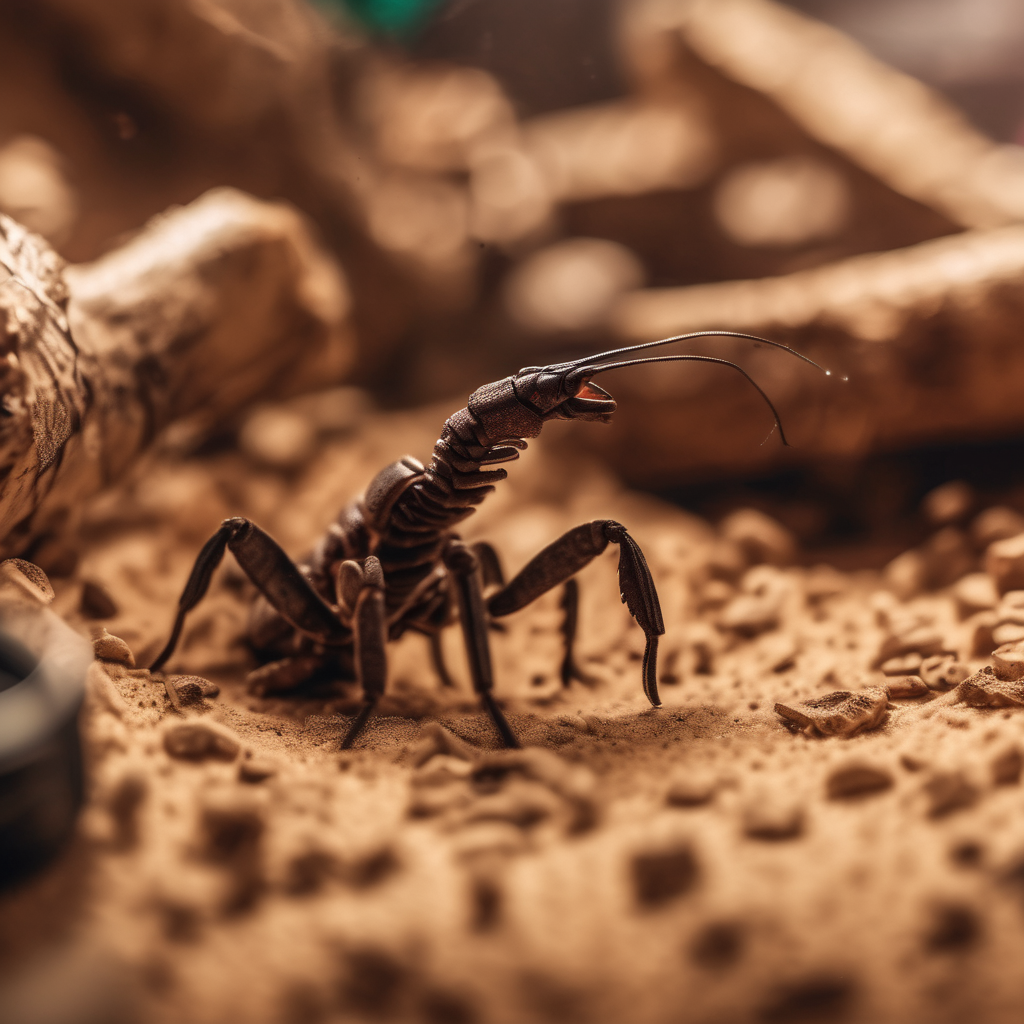
Bombay scorpions (Heterometrus species) are the arachnid equivalent of the leopard gecko — hardy, visible, and forgiving of the beginner mistakes that kill other scorplings. They are large enough to be impressive, calm enough to be observed, and the setup is simple: dry, warm, with a water dish and a hide. Unlike the tarantulas, they are visible most evenings and the feeding response is clear.
This guide covers the complete beginner care. Part of the pet scorpions guide series.
The Species
- Size: seven to eight inches including the tail — the large, visible arachnid.
- Lifespan: five to eight years for males, eight to ten for females — long enough to be a commitment, short enough to be manageable.
- Activity: nocturnal — active at night, and the daylight hours are spent in the hide.
- Venom: mildly venomous to humans, like a bee sting, but the medical attention is for the allergic reaction and the secondary infection.
- Availability: captive-bred is increasingly common, and the wild-caught calms down after the first molt. The stress is temporary.
The Enclosure
- A 5-10 gallon terrestrial tank — the floor space matters, and the height is secondary. The small space is the requirement for one adult.
- A secure lid — they climb, and an uncovered tank is a multi-day search. The clip-on screen is the standard.
- Substrate: a moisture-retaining mix — coconut fiber with play sand or coco-soil. The digging substrate is the enrichment, and the moisture affects the molting.
- A large water Dish — shallow enough to climb out of, and wide enough to soak the whole body. The water quality matters, and the daily replacement is the rule.
- A hide on each side — the warm and cool retreat, though they favor one. The half-log or the cork bark is the standard.
- Minimal decoration — the sparse setup is the observation, and the clutter stresses a scorpion that hides.
The Temperature and Humidity
- The heat gradient: the warm side at 80 to 85 degrees, the cool side at 75. The thermostat-controlled heat mat or under-tank heater is the method — overhead heat is too drying.
- A thermostat is non-negotiable — the unregulated heat mat reaches burn temperatures in minutes, and the burn is permanent and fatal at the next molt.
- Humidity: 70 to 80 percent — higher than the dry scorpions, and the moisture-retaining substrate + daily misting maintain it. The hygrometer confirms it.
- The humidity and the molting: the shed fails without the right moisture, and the retained shed is the emergency.
- The temperature drop at night is acceptable — they tolerate a few degrees of drop, and the heat lamp off at night is the standard.
The humidity is the balance — too dry and the shed fails, too wet and the mold grows in the substrate, and both kill the scorpion at the molt. The daily misting and the moisture-retaining substrate are the method.
The Feeding
- Live prey — crickets, small roaches, and occasionally mealworms. The live response is the trigger, and the dead prey is ignored.
- Gut-loading is essential — the prey is fed nutritious food 24 to 48 hours before offering, and the nutrition transfer is the method. The vitamin and calcium dust on the prey is the insurance.
- Size: smaller than the scorpion’s body length — never the full length. The prey that is too large is refused or escapes.
- Frequency: once a week for adults, twice a week for juveniles — the metabolism is slow, and overfeeding is the risk.
- Remove uneaten prey — they stress the scorpion and can bite, and the 24-hour window is the rule.
The Molting
- They molt in hiding — the process takes days to weeks, and the appetite loss is normal during it. Do not disturb the hide.
- The humidity spike — they soak and the substrate stays damp before the molt, and the moisture softens the old exoskeleton.
- Never feed or disturb during the molt — the vulnerability is total, and the stress can be fatal.
- The white scorpion — the newly molted exoskeleton is soft and white, hardening to the normal color over hours. The white scorpion is healthy, not ill.
- The retained shed: the emergency — the shed stuck around the claws or the stinger segment. The humidity and a shallow soak are the attempt; the vet is the real fix.
The Behavior
- The night hunting — active at night, the feeding response is clear, and the observation is best with a red flashlight.
- The threat posture — the raised pincers and the curved stinger, directed at perceived threats. The calm retreat is the best response.
- The UV fluorescence — the exoskeleton glows blue-white under UV light, and the glow-in-the-dark trick for enthusiasts. Not required, but striking.
- The communal living: not recommended for beginners — the fighting, and the separate enclosures are safer.
- The slow growth — the molting frequency slows from monthly to annually, and the age follows the molts.
Health Monitoring
- The failed molt (dysecdysis): the retained shed is immediate — soak and humidity, and the persistent issue needs a vet.
- The burned scorpion: from an unregulated heat mat — the dead tissue and the smell. The thermostat is prevention.
- The wet tail tip: necrosis from a damaged stinger — the black tip and the shriveling. Vet.
- The refusal to eat — often pre-molt, and the post-molt restart is normal. Beyond two weeks with weight loss, vet.
- The mold in the substrate: from too-high humidity — the sour smell and the replacement substrate.
Frequently Asked Questions
Are Bombay scorpions good for beginners?
Yes — they are the entry-level arachnid, hardy and forgiving. The 5-gallon enclosure, thermostat heat mat, and weekly feeding of gut-loaded prey are straightforward. The main care is the humidity for molting, and the secure lid.
Are Bombay scorpions dangerous?
Mildly — the sting feels like a bee sting, and the pain is the main effect. The serious reactions are rare, and the immediate care is cleaning the wound. They are not pets for homes with small children or immunocompromised individuals.
How often do Bombay scorpions molt?
Monthly as juveniles, slowing to every few months as adults. The molting slows with age, and the final size is reached after several molts. The appetite loss and hiding are the signs.
The Bottom Line
A 5-10 gallon terrestrial tank with secure lid, moisture-retaining substrate, a shallow water dish, and hides at each end. A thermostat-controlled under-tank heat mat making 80-85 on the warm side, and humidity at 70 to 80 percent from daily misting — the humidity is the balance that prevents failed molts, and the thermostat prevents burns. Fed gut-loaded crickets or roaches once a week, sized smaller than the scorpion and removed if uneaten, with calcium dusting. The molting demands the humidity and zero disturbance. The Bombay scorpion is the entry arachnid for keepers who want visibility and hardiness, and the thermostat and the humidity are the two rules that keep it alive.
Leave a Reply