
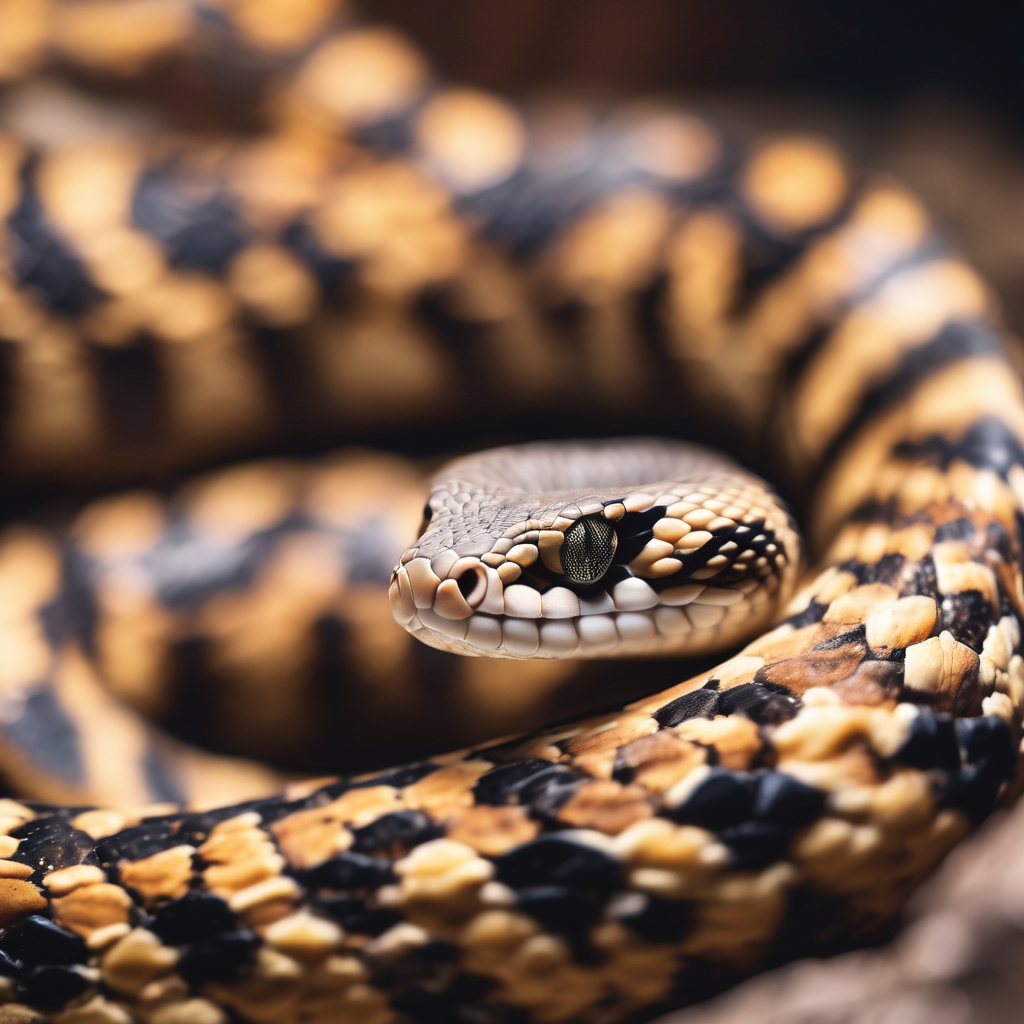
If you have landed on this page because you are thinking about getting a hognose snake, or because your new western hognose has stopped striking and you are wondering whether the dramatic “playing dead” act you saw online is actually a health problem, you are in the right place. Hognose snakes are not actually lizards, but they play one on the internet: they flatten their neck, flare their hood, hiss like a cobra, and yes, many of them will right themselves and play dead when the bluff fails. That theatrical routine masks a snake that is unusually easy to keep, feeds on a schedule you would recognize from any beginner snake guide, and tolerates a range of conditions that make it forgiving in practice if not in theory.
This guide walks you through everything a responsible keeper needs to know before and after bringing a hognose snake home: what separates a western hognose from the larger species, how to build an enclosure that holds a stable thermal gradient for a burrowing snake, what and how often to feed, how to tell a normal shed from one that needs help, and the red-flag symptoms that mean a reptile vet visit today. It belongs alongside our guides to snake enclosure setup and corn snake care for the full beginner-snake picture.
Which hognose snake is right for you
The name “hognose snake” covers several species in the Heterocerca genus, and the differences between them are the difference between a 20-gallon setup and a 75-gallon one. The western hognose (H. platirhinos) is the overwhelming default for beginners and by far the most common in the pet trade: it stays 2 to 3.5 feet as an adult, is smaller-framed than the eastern hognose, and is reliably available as a captive-bred pinkie-accepting hatchling. The eastern hognose (H. corsica) grows larger, can exceed 4 feet, and is more of an intermediate keeper project. The southern hognose (H. gloydii) is similar in size to the western but far rarer and noticeably more defensive.
If you are buying your first hognose, stick to a captive-bred western from a reputable breeder in your own country. Avoid any import with no clear lineage — wild-caught hognose snakes carry a heavy parasite load, frequently arrive stressed, and may refuse to feed on thawed prey for months. Captive-bred westerns, by contrast, almost always take a thawed pinkie within a few days of arrival, which is the single most important beginner-friendly trait a snake can have. Size your enclosure for the adult, not the hatchling: a 20-gallon long is fine for a juvenile, but you should be planning the move to a 40-gallon breeder before the snake hits 18 inches.
Setting up the enclosure
A hognose snake needs a terrestrial enclosure that prioritizes floor space over height: a 20-gallon long for a juvenile, upgraded to a 40-gallon breeder (36 by 18 inches) for an adult, with a secure screen lid — hognose snakes are surprisingly strong excavators and will push a poorly latched lid open to escape. The enclosure must hold a proper thermal gradient: a warm side at 85 to 88 degrees Fahrenheit and a cool side at 75 to 80 degrees, with the snake able to move between them at floor level. Heat for a burrowing snake comes from an under-tank heater (UTH) sized to just over half the floor area, OR from a low-overhead ceramic heat emitter, controlled by a thermostat — never an unthermostatted mat, which will burn a snake’s belly in hours.
Thermostats are non-negotiable. Plug the UTH into an on/off thermostat and verify both ends of the gradient with a digital probe thermometer placed at the substrate level where the snake rests. Our substrate guide covers the right choices — aspen is the gold standard for hognose snakes because it holds burrows, takes a scent trail, and resists mold; cypress mulch works in a humid room but tends to compact. Avoid cedar and pine, whose oils damage the respiratory system, and avoid loose play sand, which a burrowing species will ingest in quantity.
Hognose snakes love to burrow, so give them a substrate depth of 3 to 4 inches and at least one cork bark half-log or a length of PVC pipe laid on its side as a tunnel. Two hides are mandatory: one on the warm end and one on the cool end, both just large enough for the snake to fit its whole body inside. A water bowl large enough to soak in if the snake chooses, changed daily, rounds out the basics. The full hardware list and product notes are in our snake enclosure setup checklist.
Temperature and heating
The thermal gradient is the one number a hognose snake keeper checks every day, because a hognose that cannot thermoregulate will stop eating within a week. Aim for a warm end of 85 to 88 degrees and a cool end of 75 to 80 degrees, both measured at substrate level with a digital probe thermometer. An under-tank heater covering just over half the tank floor, plugged into a reliable thermostat, is the standard setup — the thermostat probe should sit directly over the heated area so it reacts to the snake’s actual basking zone, not the ambient air. Verify the gradient weekly with an infrared temp gun, because a thermostat can drift without you noticing.
Overhead heat is a useful supplement but it is not the primary source for a burrowing snake — a basking bulb heats the air faster than the floor, which can leave the snake thermoregulating in the sub-belly zone where it actually rests. If you do use a basking bulb, pair it with a ceramic heat emitter for night warmth so the snake never drops below 73 degrees, and run both on timers so the photoperiod stays consistent. A simple plug-in timer is your friend here. If the room temperature is stable year-round, the UTH alone will suffice, and most keepers run the setup that way for simplicity.
Never give a hognose snake a heat rock. They have a poor sense of heat pain receptors in their bellies and can burn themselves badly on a rock that a lizard would simply move away from. The substrate-level heat from a properly thermostatted UTH is safe and species-appropriate. If you are worried about the snake getting cold at night, set the thermostat to a 2-degree drop rather than adding a night heat source — hognose snakes, like most North American colubrids, handle a mild overnight cool-down well.
Feeding and prey safety
Hognose snakes are obligate carnivores and will eat pre-killed or thawed frozen rodents their entire lives. The general rule is that the prey item should be no thicker than the snake’s mid-body girth — a pinkie for a hatchling, a fuzzy or hopper for a juvenile, and a small to medium mouse for an adult. Overfeeding is the most common mistake: a hognose snake that is being power-fed will grow fast early and develop a permanently stretched body shape, while a snake fed on a sensible schedule stays trim and lives longer. Feeding frequency drops with age: hatchlings eat every 5 to 7 days, juveniles every 7 to 10 days, and adults every 10 to 14 days.
The safe way to defrost prey is a cold-water bath or the refrigerator overnight — never the microwave, which cooks the inside unevenly and can burst the intestine. Offer the prey with long-handled tongs held in the snake’s warm zone, and once the snake strikes, give it 15 minutes alone in the warm side to swallow. A hognose that takes the prey but does not swallow it within an hour should have the next meal delayed — regurgitating a partially swallowed mouse damages the throat and sets back the feeding schedule. Our rodent-thawing guide walks through the timing and presentation tricks that matter most.
Hognose snakes are rear-fanged (slightly venomous to lizards, harmless to humans) and they know it — a snake that is confident will sometimes chew before releasing, which for a human hand feels like a mild, tingling pinprick that fades in minutes. Never hand-feed, and never try to force a release by grabbing the snake behind the head. Let the snake release on its own, and if it refuses to let go after feeding, a drop of alcohol on the snout or a gentle rub with a damp cloth will usually convince it to open. If you are ever in doubt about a bite, wash the wound thoroughly and monitor for swelling — true envenomation from a hognose bite to a healthy adult is extremely rare.
Humidity, shedding, and the famous hood
A hognose snake needs an ambient humidity around 40 to 50 percent, which a water bowl and a proper humid hide will hold in a glass tank with a screen top. The humid hide is a small plastic container with a lid and a damp (not soggy) paper towel or sphagnum moss inside, and it gets used heavily during a shed. A hognose that is “in blue” will turn a pale, grayish tint and hide more than usual — this is the normal pre-shed phase and it should not be disturbed. The shed itself should come off in one piece within a week if the humid hide is working and the substrate is not bone-dry.
The hood display is a defensive behavior, not a health sign: when startled, a hognose snake will flatten its neck, flare its hood, hiss, and sometimes bluff-strike. If the threat persists, many hognose snakes will then right themselves and play dead — a full-body flop with the tongue lolling and the mouth open. This is a genuine last-resort defense, not an act, and it is perfectly normal. Do not reward it by poking at the snake; back off, let it recover, and offer a meal once it seems settled. A snake that hoods and strikes repeatedly during handling has learned that the display works — consistent, calm handling prevents the behavior from becoming a habit.
Handling and daily care
Hognose snakes are generally calm in hand once acclimated, but they are also enthusiastic escape artists that will slip free of a loose grip and vanish into the first crack they find. Support the entire body and always handle over a soft surface — a dropped hognose snake on hardwood can and will try to sprint under the fridge, and a cornered hognose that feels trapped becomes aggressive rather than playing dead. Never handle a snake that has just eaten; wait 36 to 48 hours after a meal so the snake does not regurgitate from stress. A healthy hognose moves with purpose, flicks its tongue routinely, and holds its head up off the substrate when alert — a snake that drags its body or holds its head limp is unwell.
Daily care is a 3-minute visual check: confirm the water is fresh, the warm side light or mat is on, and the snake is responsive and moving normally. Weekly, spot-clean any feces, refresh the humid hide lining, and confirm the substrate is not building up a sour smell. Monthly, deep-clean the whole enclosure with the snake safely tubbed elsewhere — this is the only way to catch a failing heat source, a patch of retained shed, or a burrowing site that has become a bacterial hotspot. A hognose snake that is eating, moving, and shedding on schedule does not need daily handling — consistency beats frequency.
Common health problems and when to worry
The most common health problem in captive hognose snakes is regurgitation triggered by stress, a too-large prey, or a thermal gradient that is too cool. A single regurgitation is usually manageable: skip the next two meals so the stomach acid recovers, and double-check the temperature. But if a snake regurgitates repeatedly, or if the vomit contains blood or a partial prey item, it is time for a vet visit to check for a blockage, internal injury, or inclusion body disease. Our emergency warning signs guide explains the progression — once a snake is gaping audibly at rest, the issue is advanced and needs immediate veterinary care.
Retained sheds are the second most common issue and almost always trace back to the humid hide being too dry. A single retained eye cap is usually cosmetic and resolves with the next shed; multiple stuck patches, especially on the tail tip, can lead to necrosis and need a vet to soak and peel the damaged skin safely. The fix for the next shed is simple: refresh the damp lining in the humid hide and mist the substrate lightly, never soak the snake itself on a regular schedule. A hognose snake that is otherwise healthy and eating will shed cleanly if the humidity is in range.
Respiratory infections are rarer in hognose snakes than in tropical species, but they show up when the cool side of the enclosure gets too damp or a draft chills the snake. Watch for a speck of mucus at the nose, a slightly open mouth at rest, or a snake that hangs out on the cool side instead of basking on the warm side. These infections respond well to a course of injectable antibiotics if caught early, but they will recur if the enclosure’s airflow and humidity are not corrected at the same time. Prevention is a stable 75 to 80 degree cool side and daily observation of activity level — a hognose that stops tongue-flicking when you approach is sending a signal.
Pre-arrival checklist
- 20-gallon long (juvenile) or 40-gallon breeder (adult), with a secure screen lid and a lock if the snake is an escape artist.
- Under-tank heater covering just over half the floor, plugged into a reliable thermostat with the probe over the heated zone.
- Digital probe thermometer placed at substrate level on the warm and cool ends, or an infrared temp gun.
- 2 to 4 inches of aspen substrate (or cypress in a humid room), no cedar or pine, no loose play sand.
- Two hides (warm and cool) plus a humid hide with damp sphagnum moss, checked weekly.
- Water bowl large enough to soak in, weighted, changed daily and scrubbed weekly.
- Thawed frozen pinkie mice for a hatchling/juvenile, fuzzies and hoppers as the snake grows, sized to mid-body girth.
- Long-handled feeding tongs, a reptile-safe disinfectant, and a secure transport tub for vet visits.
- Thermostat and hygrometer, aiming for 85-88F warm / 75-80F cool and 40-50% humidity.
- Quarantine plan: a separate room and tub if you have other reptiles, since hognose snakes can carry Cryptosporidium.
Frequently asked questions
Are hognose snakes good beginner snakes?
Yes, for keepers who accept that “beginner” here still means a 15- to 20-year commitment and that the western hognose’s feeding reliability is its best feature. Captive-bred westerns almost always take thawed pinkies within a few days of arrival, feed on a schedule you can plan around, and are unlikely to outgrow a 40-gallon breeder. If you want a snake that is calm in hand and feeds like clockwork, this is one of the best choices on the market.
How big do hognose snakes get and how long do they live?
Adult western hognose snakes reach 2 to 3.5 feet total length and weigh roughly six to twelve ounces. The eastern hognose grows larger, to 4 feet, but is far less common in the trade. Lifespan in captivity is 15 to 20 years, with some individuals living into their mid-20s from a healthy start. A 40-gallon breeder is future-proof for a single adult western.
Do hognose snakes play dead?
Many do, and it is a genuine defense, not an act. When the hood display and striking bluff fail to deter a threat, a hognose snake will often right itself, go limp, and lie on its back with its tongue lolling and its mouth open. This is a last-resort strategy to confuse a predator, and it is perfectly normal. Do not reward it by poking at the snake — back off, let it recover, and resume routine care once it seems settled.
Why is my hognose snake not eating?
The usual suspects are a thermal gradient that is too cool, a recent move into a new enclosure, an impending shed (the “blue” phase), or simply an adult that is full. A juvenile that skips more than five days of food, or any snake that refuses a meal for eight weeks with otherwise perfect conditions, needs the setup checked and a vet consulted if the body condition is dropping. Never power-feed by offering a second prey item on the same day — consistency beats volume.
Can I handle a hognose snake right after it eats?
No. Handle only after the snake has had 36 to 48 hours to digest, because stress-induced regurgitation strips the stomach of acid and leaves the snake vulnerable to bacterial overgrowth. A snake that swallows in the morning will usually have the prey fully moved into the intestines by the next afternoon, which is a safe window to begin gentle, short handling sessions. Build tolerance slowly — a few minutes a day, ending before the snake shows signs of stress.
Are hognose snakes venomous to humans?
They are rear-fanged and mildly venomous to their natural prey (lizards), but their bite on a human is no more dangerous than a bee sting and usually causes nothing more than mild, temporary swelling that fades within hours. They have no interest in biting people and will bite only if they mistake a finger for prey or if they are severely cornered. Wash any bite thoroughly and monitor for swelling, but serious reactions are essentially unheard of for healthy adults.
The bottom line
A hognose snake is one of the most beginner-friendly serpents on the market, not because it is simple, but because it forgives small mistakes: a slightly cool night, a missed meal, a week of imperfect humidity, none of those sink a healthy western hognose. What it does demand in return is consistency — a thermostat you check, a humid hide you refresh, and the discipline to wait 48 hours after a meal before you reach in. Treat the hood and the death-feign as the clever survival tricks they are, and you will earn a snake that feeds like clockwork, handles like a dream, and never fails to make you smile when it throws a tantrum over a mouse. If anything looks off — a prolonged hunger strike, mucus at the nose, a retained shed that refuses to resolve — trust the vet visit over the “it’s just stressed” instinct; the emergency signs guide tells you which flags can wait and which cannot.
Leave a Reply