
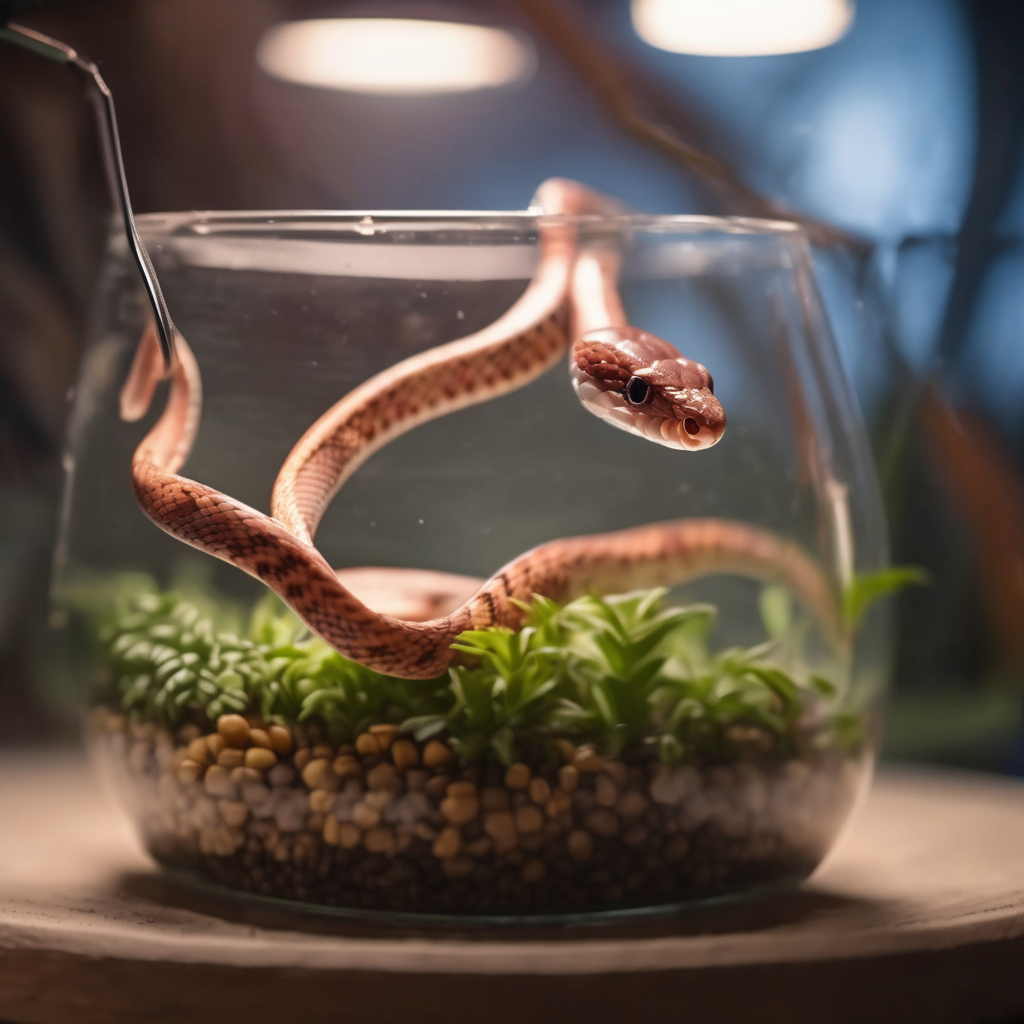
Almost every keeper who is new to snakes arrives at the same decision point: feed live mice because they look natural, or switch to frozen-thawed because everything online says to. The advice is correct but thin on method. Frozen-thawed rodents are safer for the snake, safer for you, cheaper over a year and legal in more places, yet a great many first attempts fail — the snake strikes the tongs, the pinky thaws in a puddle, or the animal simply will not eat and the keeper panics on day five.
This is the complete method, written from the point of view of what actually works in a normal living room. It covers sizing prey, thawing it safely, offering it with tongs, warming it just enough, handling refusals, and the specific situations where you should stop and call a vet.
Why frozen-thawed beats live prey
The case is not sentimental, it is practical. A live rodent can and does fight back. Rats bite hard, and a snake that gets bitten on the snout or eye during a feed often develops a lifelong aversion to that prey type, or worse, a serious infection. The rodent itself suffers, and you are leaving a live animal in an enclosure overnight, which is where bites and cage trauma happen.
Frozen prey also removes a parasite and pathogen route. Wild-caught or badly bred feeder rodents carry mites, tapeworms, salmonella and worse, and those end up in your snake. A properly frozen rodent is a known quantity.
Frozen stock is also cheaper and more convenient: buy a dozen pinkies or fuzzies at a time, keep them in the freezer, and thaw exactly what you need. No drive to the pet shop every week, no keeping a breeding colony, no surprise when the feeder dies overnight in the bin.
Correct prey size — the rule that prevents most feeding problems
Prey size is measured by the snake, not by what you bought. The standard rule: the prey item should be about the same width as the snake’s widest point, or slightly less. A rodent noticeably wider than the snake risks regurgitation, impaction and gut injury, and a large meal raises metabolic load far more than a correct one.
Species and age change this considerably:
- Hatchlings and small juveniles — pinkies or fuzzy mice, sometimes a very small ball python needs multiple pinkies rather than one larger item.
- Juvenile corn snakes, king snakes, rat snakes — hoppers and small fuzzies.
- Adult ball pythons — typically a small to medium rat, occasionally a large rat for a big female.
- Adult boas and larger pythons — appropriately sized rats, and beyond that weanling or adult rabbits, which is a different workflow entirely and usually a two-person job.
If you are unsure, go smaller. A slightly undersized meal taken cleanly is far better than a large one regurgitated two days later, and regurgitation in snakes is a genuine medical event, not a minor hiccup.
How to thaw a frozen rodent safely
This is where most avoidable damage happens. The rule is simple: thaw slowly in the refrigerator, never at room temperature and never in hot water.
- Move the rodent from the freezer to the fridge the day before the planned feed. A pinky takes a few hours; a rat takes 12-24 hours.
- Keep it in a sealed bag or container, on a shelf away from human food, and wash your hands before and after handling it.
- Warm it gently just before feeding. Bring the bagged rodent out and place it in a mug of warm (not hot) water for 10-15 minutes, or leave it near the heat source for 20 minutes. Test it against your inner wrist: it should feel slightly warm, like a living animal, not cool and never hot.
- Dry it off. A wet rodent is slippery, drops heat fast and can feel wrong to the snake. Pat it on a paper towel.
Never refreeze a rodent that has thawed. If plans change, either feed it within 24 hours of full thaw (refrigerated) or discard it. Bacterial growth in thawing meat is fast, and a snake fed spoiled prey can develop serious gastroenteritis.
The feeding itself: tongs, dish, and hands off
The mechanics matter more than keepers expect, because a sloppy offer is the number one reason a healthy snake refuses.
Use tongs, not fingers
Long reptile feeding tongs let you offer the prey without your hand entering strike range. This is not about being bitten on purpose — it is about the snake learning to associate the enclosure door opening with food arriving from the wrong direction, and it removes the risk of a reflex strike at your hand.
Warm the prey near the snake’s head
Hold the thawed rodent a few centimetres in front of the snake’s head, at head height, not touching it. Most snakes hunt by heat and movement; a cold prey item in the middle of the enclosure reads as dead and is ignored. A warm one held steady gets struck.
Offer it in a shallow dish
Snakes swallow more reliably when the prey is on a flat surface they can press against. A small ceramic dish, a jar lid, or even the substrate works — place the rodent on it and let the snake approach and constrict. Do not pull it away at the last second, and do not dangle it; movement is good, teasing is not.
Leave them alone afterwards
Once the snake has the prey, close the enclosure and walk away. Do not pick the snake up, do not film it from inches away, do not rearrange the tank. Handling a snake during or immediately after a meal is one of the most common causes of regurgitation, and a regurgitated meal means starting the whole process again a week later with a stressed animal.
Clean up uneaten prey promptly
If the snake does not take the prey, remove it within an hour or two. A dead rodent left in a warm enclosure begins to decompose, and the smell pollutes the whole enclosure.
What to do when a snake refuses frozen-thawed
Refusal is common, especially with wild-caught or long-term live-fed snakes, and it is usually fixable. Do not panic on the first skip — a healthy snake can go weeks without food, far longer than most new keepers believe.
The staging approach
- Warm it properly. A cold pinky is the single most common refusal cause. Warm it to slightly above room temperature before every offer.
- Feed in a separate tub. Some snakes associate their main enclosure with safety, not hunting, and feed better in a bare plastic tub. Feed in the tub, let them eat, then return them.
- Tease the prey. Hold the rodent and move it slowly past the snake’s head in short, quick motions, like a small rodent moving along the ground. Never strike at the snake with it.
- Feed at night. Most commonly kept snakes are crepuscular or nocturnal. Turn the lights off, offer the prey late evening, and try again. This one change fixes more refusals than any other single factor.
- Try a different prey type. A snake that refuses mice may take rats, or a snake that refuses fuzzies may take pinkies. Scenting the prey with used bedding from another feeder, or even a tiny amount of scent from a live feeder, sometimes breaks a stubborn refusal.
- Braining the prey. For a prey item just above the snake’s size, cutting a small hole in the skull so the smell is released can increase interest. Use this only as a last resort and with clean tools.
What NOT to do
Do not force-feed a snake yourself. Assist-feeding a reluctant snake without training risks injury to the snake and a bite to you, and it usually makes the aversion worse. Do not put a live rodent in with a snake that has refused frozen prey for weeks — you will be back to square one with a bitten snake and no progress. And do not keep dropping pinkies in every night hoping the snake gets hungry enough; snakes are not dogs and grazing is not a thing.
Warning signs: when a refusal needs a vet, not more patience
Most refusals are behavioural and resolve with technique. Some are medical, and waiting longer makes them worse. Take the snake to a reptile vet if you see:
- Weight loss you can see — a visible spine, a triangular head shape, or obvious thinning at the tail base. Weigh your snake monthly with a kitchen scale and keep the numbers.
- Refusal lasting beyond 4-6 weeks in an otherwise healthy-looking adult, or beyond 2-3 weeks in a juvenile.
- Regurgitation more than once — a snake that regurgitates repeatedly has a husbandry or medical problem, not a picky streak.
- Signs of respiratory illness — open-mouth breathing, bubbles at the nostrils, clicking sounds, holding the head raised at an odd angle.
- Neurological signs — stargazing, head tremors, inability to right itself, uncoordinated strikes.
- Any visible external parasites — mites moving under the scales, ticks, or sudden excessive soaking in the water bowl.
Common mistakes, honestly listed
- Feeding prey that is too large. Prey width should not exceed the snake’s widest point. If the meal looks like a challenge, it is.
- Feeding cold prey. This is the most common failure of all. Warm it.
- Handling the snake after feeding. Wait a full 24-48 hours, longer for large meals, before you handle the animal again.
- Thawing at room temperature. Overnight on the counter feels efficient and is a bacterial risk. Thaw in the fridge.
- Feeding in the enclosure and then not cleaning up. Remove uneaten prey the same evening.
- Panic-feeding. Offering prey every day for a refusing snake stresses the animal. Space attempts 5-7 days apart.
Quick reference: the whole process
Before you start
- Correctly sized frozen rodent in a sealed bag, from a reputable breeder or supplier — thawing starts in the fridge the night before.
- Long feeding tongs, a shallow dish, paper towel, hand sanitiser.
Feed day
- Move rodent to a mug of warm water 10-15 minutes before feeding.
- Dry it, check it is warm to the wrist, place it in the dish.
- Open the enclosure, offer at head height with tongs, move it slowly.
- When the snake strikes and takes it, close the enclosure and leave the room.
- If refused, remove prey within two hours and try again in 5-7 days with technique changes.
After the feed
- No handling for 24-48 hours.
- Clean and refill the water bowl — snakes often drink heavily after a meal.
- Log the date, prey type and size in a notebook or app. This log is what tells a vet whether a refusal is normal or a trend.
FAQ
Can I thaw a frozen rodent in the microwave?
Never. Microwaves heat unevenly and will cook parts of the prey while leaving the centre frozen, producing a rodent that is partly hot enough to burn the snake’s mouth. Warm water or room air only.
How long can I keep frozen rodents?
In a properly cold freezer (below -18°C / 0°F) they keep for six months to a year without loss of quality. Keep a stock rotation so the oldest are used first, and check packaging for freezer burn before feeding.
My snake refuses every single pinky I offer. What now?
Change the variables one at a time: warm the prey more, feed at night, feed in a bare tub, try a different prey species. If refusal persists past a month with weight loss, book a vet appointment — do not escalate to force-feeding on your own.
Is it okay to leave the rodent in the enclosure overnight?
No. Remove uneaten prey the same evening. A thawed rodent left overnight in a warm terrarium begins to rot and contaminates the enclosure.
Can I feed a snake the same prey type forever?
Most commonly kept species thrive on a single appropriate prey type — mice or rats — for their whole lives. Variety in prey species is not required for health the way it is for mammals, provided the size is right and the prey is properly thawed and warmed.
How long between feeds?
Juveniles typically eat every 5-7 days, adults every 10-14 days, and large adults every 2-4 weeks. Frequency follows age, species and prey size; a small meal can be offered more often than a large one. For a detailed breakdown, see our guide on how often to feed a snake.
The bottom line
Frozen-thawed feeding is the safest, most convenient way to feed a snake, and the reason it fails for new keepers is almost always technique rather than the method itself: prey that is too cold, too big, offered at the wrong time, or in the wrong place. Warm the prey, size it correctly, feed in the evening, and leave the snake alone afterwards. If a refusal persists with visible weight loss, the answer is a reptile vet, not more patience. Do those things and the frozen-thawed method will out-perform live feeding on every measure that matters — for the snake’s health and for yours.
Leave a Reply