
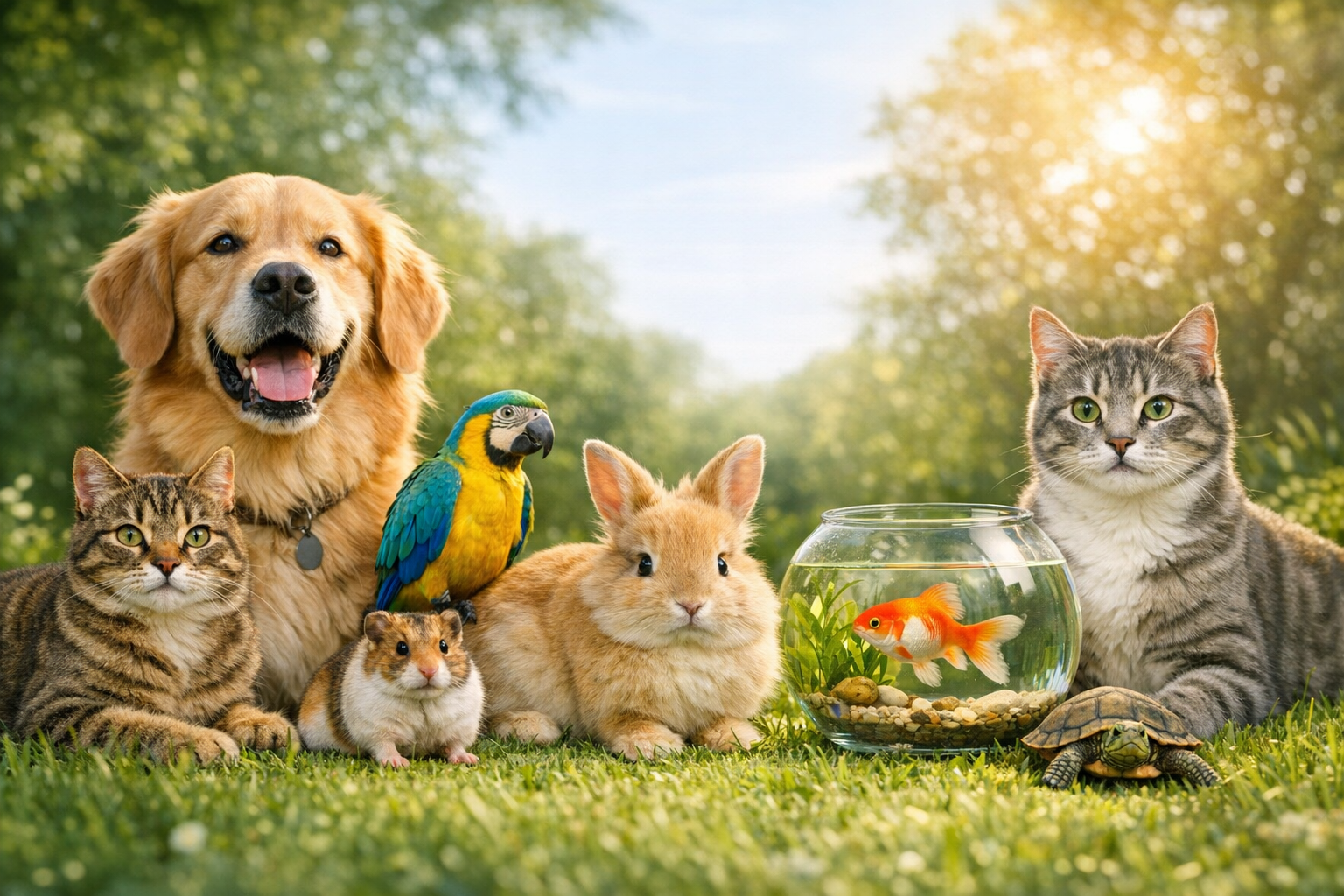
Why Clean Pet Feeding Stations Matter
Pet owners often overlook the importance of clean pet feeding stations, yet this small area of your home plays a massive role in your companion’s overall well-being. A messy feeding spot becomes a magnet for bacteria, mold, and unwelcome pests faster than you might think.
Every time your dog or cat eats, saliva, American Kennel Club moisture, and food particles build up on bowls, mats, and surrounding surfaces. Without a consistent hygiene routine, harmful microorganisms like salmonella and E. coli can thrive, potentially making your pet sick after every meal.
Beyond immediate health risks, neglected clean pet feeding stations can attract ants, roaches, and even rodents. These invaders bring their own set of diseases and create a stressful environment that affects your pet’s appetite and behavior.
Maintaining spotless feeding areas isn’t just about preventing smells—it’s a foundational part of responsible pet parenting. When you commit to daily and weekly cleaning habits, you protect your furry friend from digestive distress, skin infections, and allergic reactions that often start right at the bowl.
Daily Routines for Spotless Clean Pet Feeding Stations
Building a simple daily routine transforms how you maintain clean pet feeding stations without turning the task into a chore. Start by washing your pet’s food and water bowls after every single meal, using hot, soapy water and a dedicated scrub brush that never touches human dishes.
For wet or raw food, this step becomes even more critical because protein residues spoil rapidly at room temperature. Even dry kibble leaves a greasy film that harbors bacteria, so a quick rinse isn’t enough—scrub thoroughly and dry bowls completely before refilling.
After you wash the bowls, wipe down the feeding mat or floor underneath the stand. A damp microfiber cloth picks up crumbs, slobber, and stray pieces of food that would otherwise sit and decay until your next deep clean. For cat owners, many felines prefer ceramic water fountains, but these need thorough cleaning every few days. The motor and filter can trap biofilm, so follow the manufacturer’s cleaning schedule closely.
If you use elevated feeders, don’t forget to wipe down the legs and joints where moisture collects. Many pet parents overlook these spots, yet they often become a hidden hotbed for yeast and mildew growth.
Make it a habit to also refresh your pet’s water bowl at least twice a day. Stagnant water encourages biofilm—a slimy layer of bacteria—that can cause urinary tract issues and discourage your pet from drinking enough. A quick scrub and fresh fill keeps hydration safe and appealing.
Choosing Safe Materials for Clean Pet Feeding Stations
The materials you select for bowls and mats directly influence how easily you can maintain truly clean pet feeding stations. Stainless steel remains the gold standard because its non-porous surface resists scratches where bacteria hide, and it’s dishwasher-safe for effortless sanitization.
Ceramic bowls can work well if the glaze is lead-free and free of cracks, but once a ceramic surface chips, those tiny crevices trap germs that even aggressive scrubbing can’t remove. If you go ceramic, inspect it weekly under bright light for hairline fractures.
Plastic bowls, while common and affordable, are the hardest to keep hygienic over time. Scratched plastic develops microscopic grooves that harbor salmonella and other pathogens, and some plastics leach chemicals when exposed to heat or acidic foods. If you must use plastic, replace it at the first sign of wear.
Silicone mats have become popular for catching spills, and they’re a smart choice because they can go straight into the dishwasher. Look for food-grade silicone with no fillers, and avoid mats with textured surfaces that trap debris in their patterns. A flat, smooth mat makes wiping effortless and keeps the whole area feeling fresh.
When you design your feeding station, consider using a tray that’s slightly larger than the bowls to contain overflow. Materials like tempered glass or sealed bamboo offer easy-to-clean surfaces that elevate the look of your space while supporting better hygiene. Just remember that any material needs consistent care to maintain its benefits.
Deep Cleaning Tips for Clean Pet Feeding Stations
Weekly Routine for a Fresh Start
Even with solid daily habits, a thorough deep clean once a week makes a dramatic difference in the safety of your clean pet feeding stations. Set aside thirty minutes to break down the entire setup and sanitize every component, from the inner bowl rim to the area beneath the stand.
Begin by filling your sink or a large basin with the hottest water your hands can handle, then add a pet-safe disinfectant. A solution of one part white vinegar to one part water works wonders without leaving toxic residues that could harm your dog or cat. Avoid bleach unless you can rinse obsessively and let items air-dry for hours, as even trace amounts can irritate paw pads and digestive systems.
Submerge bowls, mats, and any removable parts and let them soak for ten to fifteen minutes. While they soak, vacuum or sweep the floor around the feeding station thoroughly. Crumbs often end up several feet away, so go beyond the immediate zone to prevent pests from migrating toward the food source.
After soaking, scrub each item with a brush reserved solely for pet supplies. Pay special attention to bowl rims where dried saliva accumulates and to the bottom edges where a ring of grime frequently forms. Rinse everything under running water until no vinegar smell remains.
Monthly Deep Sanitization
For stainless steel bowls, you can also boil them in water for ten minutes to achieve near-total sterilization once a month. This extra step kills any stubborn bacteria and gives you peace of mind—just be sure to use tongs and allow bowls to cool completely before handling.
If you have the space, a handheld steam cleaner can sanitize feeding stations without chemicals. The high heat kills bacteria and loosens stubborn grime on stands and walls in seconds, making it a worthwhile tool for pet owners who want extreme cleanliness.
While the bowls air-dry, inspect your feeding station’s structure. Tighten any loose screws on elevated stands, check for wobbling legs, and replace worn-out mats that no longer sit flat. A stable, clean feeding environment minimizes stress for nervous eaters and prevents spills that undo all your hard work.
Common Mistakes to Avoid with Clean Pet Feeding Stations
Well-meaning pet parents unknowingly sabotage their effort to maintain clean pet feeding stations by falling into a handful of common traps. One major misstep is leaving wet food out for long periods, thinking it’s fine until the next meal. Bacteria double in number every twenty minutes at room temperature, turning a seemingly harmless bowl of pâté into a petri dish of harmful organisms within two hours.
Another frequent error involves using the same sponge or dishcloth for human plates and pet bowls. Cross-contamination passes germs like salmonella directly to your kitchen surfaces and hands. Keep a separate set of tools—sponges, brushes, and towels—stored away from your own dishwashing supplies.
Many owners also assume an automatic feeder keeps everything tidy, but the internal mechanisms of these devices require regular attention. Food hoppers can develop clogs, dust can coat sensors, and the dispensing chute often accumulates stale crumbs that turn rancid. Take apart automatic feeders monthly and clean them according to the manufacturer’s instructions for truly clean pet feeding stations.
Overlooking the water source is another pitfall. Tap water can leave mineral deposits that create a rough surface inside bowls, giving bacteria a better grip. An occasional descaling with vinegar prevents buildup and keeps the surface smooth and easier to clean day to day.
Finally, failing to dry bowls and mats completely before reassembling the feeding station sets the stage for mold and mildew. Always let components air-dry upside down on a clean rack, or use a dedicated pet towel to pat them dry. Moisture trapped between bowls and mats creates a musty smell that might even put your pet off eating.
Another subtle mistake is placing bowls near high-traffic areas where shoes bring in outdoor pathogens. Positioning the feeding station in a low-foot-traffic corner reduces contamination and keeps the area cleaner for longer.
The Health Benefits of Clean Pet Feeding Stations
The link between clean pet feeding stations and your pet’s physical health runs deeper than many realize. According to the American Kennel Club, bacteria-laden bowls can trigger gastrointestinal upsets, chronic diarrhea, and even pancreatitis in sensitive dogs. Removing that source of daily exposure allows the digestive system to function without constant low-grade irritation.
Cats, too, benefit enormously from a pristine eating space. Felines are fastidious by nature, and a dirty bowl can cause them to refuse food altogether, leading to dangerous weight loss or hepatic lipidosis. A routine of sanitized bowls and fresh water encourages consistent eating and drinking habits that support kidney and urinary tract health.
Skin and coat condition also improve when pets eat from hygienic surfaces. Acne on the chin and muzzle—particularly in short-haired breeds—often stems from plastic bowls or a bacterial film that contacts the skin during meals. Switching to stainless steel and stepping up your cleaning game can clear up stubborn cases without medication.
Beyond individual pets, clean feeding stations benefit the whole household. Young children who interact with the dog’s bowl area won’t be exposed to the same microbial burden, and immunocompromised family members face fewer risks. For broader household safety, learning about zoonotic disease prevention provides crucial context.
Behaviorally, a clean feeding environment reduces stress and resource-guarding tendencies. Pets feel more comfortable eating in a spot that smells neutral and looks tidy, which can defuse tension in multi-pet homes. A calm, consistent meal routine built on cleanliness often translates into fewer conflicts and a more peaceful atmosphere at mealtime.
Clean Pet Feeding Stations for Multi-Pet Households
Managing clean pet feeding stations becomes even more important when multiple animals share your home. Each pet brings its own set of bacteria and potential allergens, and shared bowls or close-quarters dining amplify the risk of cross-contamination. Assign each animal its own set of bowls in a distinct color or pattern so there’s no accidental mixing.
Separate feeding areas by at least a few feet to prevent competitive eating and reduce the splash zone that happens when one messy eater flings food around. In a dog-and-cat household, consider placing the cat’s raised station in a quiet corner and the dog’s bowls in a completely different room to maintain peace and hygiene.
Wash pet bowls individually rather than together in a single basin of water, which just recirculates germs from one pet to another. If one animal is on a prescription diet or has food sensitivities, even tiny leftover residues in a shared washing tub can provoke reactions. Dedicated scrubbers and drying racks tagged with each pet’s name simplify the process.
For homes with both wet and dry food eaters, extra vigilance helps you maintain spotless clean pet feeding stations. Wet food leaves more moisture and protein behind, so those bowls may need twice-daily washing, while dry kibble bowls can often follow a once-daily routine. Treat each station according to its specific needs rather than taking a one-size-fits-all approach.
Don’t forget to sanitize the floor and walls around each station regularly. In multi-pet setups, scent marking can happen near food bowls, so a quick wipe with an enzymatic cleaner keeps territorial behaviors in check and leaves the whole area smelling fresh. These small steps add up to a dramatically healthier indoor environment for every beloved animal sharing your space.
Make Clean Pet Feeding Stations Part of Your Routine
Establishing a lasting habit around clean pet feeding stations doesn’t require endless hours—it simply needs consistency and a aware mindset. Tie bowl washing to your own meal times so it becomes a natural sequence: after you load your dinner plates, tend to your pet’s items in a matter of minutes.
Create a weekly schedule that marks the deep-clean day and keep a checklist visible near the feeding area. Visual cues help the entire family participate, and kids often enjoy the responsibility of wiping mats or refreshing water when it’s framed as a caring act.
If you ever feel uncertain about the best products or methods for your particular pet, consult a veterinarian or pet care professional for personalized guidance. Finding straightforward solutions that fit your lifestyle keeps your companion thriving.
Consistency with hygiene also opens the door to noticing subtle changes in your pet’s appetite or behavior early, because you’re interacting with their eating area multiple times a day. A drop in food intake or water consumption can signal a health concern long before obvious symptoms appear, giving you a valuable early-warning system.
Ultimately, the effort you pour into clean pet feeding stations returns years of happy, wagging tails and contented purrs. Understanding how pet care advice is researched and tested adds confidence to your routine. A clean, safe feeding space is one of the simplest gifts you can give your pet every single day.
Leave a Reply