
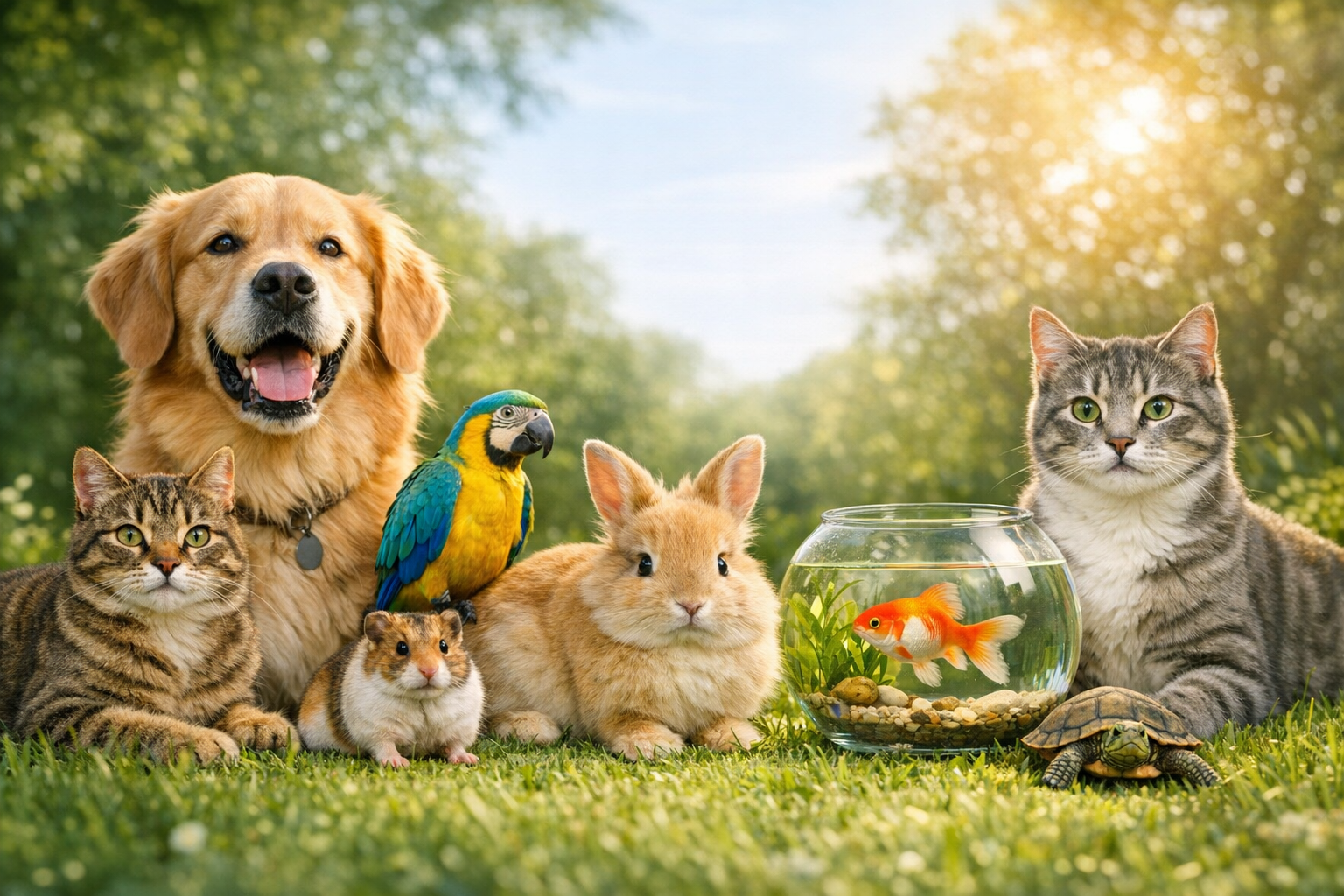
Choose Pet: The First Step to a Lifelong Companion
When you choose pet animals for your home, you begin a relationship that can last for many years. The decision goes far beyond picking a cute face from a photo or a video. Every animal has unique needs, energy levels, and social preferences. Taking the time to match those traits with your daily life leads to a deeper, healthier bond. A well-thought-out choice reduces stress for both you and the animal, and it sets the stage for a lifetime of shared joy.
Many people rush into bringing an animal home American Kennel Club without fully understanding what the next ten or fifteen years will look like. Before you choose pet options, pause and evaluate your routines, your finances, and your emotional availability. This guide walks you through every practical angle so you can make a confident, informed decision.
Understanding Your Lifestyle Before You Choose Pet
Your daily schedule is the single most important factor when you choose pet companions. An animal that needs hours of exercise each day will not thrive in a household where everyone works long shifts and prefers quiet evenings. Start by writing down a typical week: wake-up times, work hours, social commitments, travel frequency, and downtime. Be honest about how much unstructured time you actually have, not how much you wish you had.
A high-energy dog, for example, often requires at least two long walks, plus playtime and mental stimulation. Cats generally demand less outdoor activity but still need interactive play and environmental enrichment. Small mammals, birds, and reptiles have their own daily care requirements that can be equally time-consuming if you are not prepared. When you choose pet types based on realistic time availability, you avoid the guilt and frustration of falling short.
Activity Levels Across Different Species
Dogs bred for herding or sporting tasks often have intense drive. Border Collies, Australian Shepherds, and Labrador Retrievers need purposeful activity, not just a quick stroll. If your idea of relaxing involves a book and a blanket, consider a lower-energy breed or a different species entirely. Cats like Bengals and Abyssinians also demand significant play, while Persians and Ragdolls lean toward the serene.
Small pets such as rabbits and ferrets require daily out-of-cage time and social interaction. Guinea pigs are social animals that thrive in pairs or groups, so you must be ready to care for more than one. Reptiles like bearded dragons need carefully monitored heat, lighting, and live food, which adds to the daily checklist. When you choose pet species, look closely at the natural behaviors that will play out in your living room every single day.
Family Dynamics and All Ages
If children are part of the household, the animal must be comfortable around unpredictable movements and noise. Some dog breeds are famously gentle with kids, while others may become anxious or defensive. Shelters and responsible breeders can often tell you an animal’s history with children. Even the most gentle animal needs supervision, and parents should teach kids how to approach and handle pets safely.
For older adults, an active puppy might be overwhelming, but an adult cat or a calm senior dog could be a perfect match. The goal is to choose pet personalities that harmonize with the household’s softest moments and loudest ones. Think about future changes as well: if a baby, a move, or a career shift is on the horizon, factor those into your planning now.
How to Choose Pet Based on Your Living Space
Square footage matters more than many people admit. A large, high-drive dog in a studio apartment can work if the owner is dedicated to outdoor exercise, but it requires exceptional commitment. When you choose pet animals without considering spatial constraints, you risk damage to your home and, more importantly, an unhappy animal that can never fully stretch its legs or wings.
Look at vertical space as well as horizontal. Cats often use climbing structures, shelves, and window perches to satisfy their need to survey territory. Birds need room for a flight cage or time outside the cage to spread their wings. Even fish require appropriately sized tanks with proper filtration. Assess every room the pet will access and be realistic about the square footage you can offer.
Rental Restrictions and Homeowner Rules
If you rent, your lease might prohibit certain species, breeds, or sizes. Waiting lists for pet-friendly apartments can be long, and deposits add to the upfront cost. Some landlords enforce weight limits for dogs, while others ban exotic animals outright. Read your lease carefully and talk to your landlord before you fall in love with a specific animal. When you choose pet residents, securing permission first prevents heartbreak later.
Homeowners associations can be equally strict. They may regulate the number of animals per household, ban outdoor enclosures, or restrict noise levels. A barking dog or a squawking bird can prompt complaints that lead to fines. Research all rules thoroughly, and if you have a yard, make sure your fencing is secure and appropriate for the species you plan to welcome.
Outdoor Access and Safety
An enclosed yard offers an incredible advantage for dog owners, but it still needs maintenance. Check for toxic plants, sharp objects, and gaps in the fence before bringing an animal home. For cats, an outdoor “catio” can provide fresh air and stimulation while keeping them safe from traffic and predators. Even small animals benefit from supervised outdoor time in secure, escape-proof enclosures.
Consider the climate as well. Short-nosed dog breeds struggle in high heat and humidity. Some reptiles need consistent temperatures that can be challenging in drafty homes. When you choose pet companions, align their physiological needs with your local environment and the indoor climate you can maintain year-round.
Choose Pet with Confidence: Evaluating Temperament and Needs
Temperament is the invisible thread that weaves through every interaction. A timid animal may hide from guests and require slow, patient socialization. A bold, outgoing one might demand constant attention and push boundaries. Before you choose pet candidates, spend time observing them in person. Visit multiple times if you are adopting from a shelter, and ask staff detailed questions about the animal’s responses to handling, other animals, and new situations.
Body language tells you volumes. A dog that leans into your hand, offers relaxed eye contact, and wags loosely is signaling comfort. Ears pinned back, tucked tail, and lip licking often indicate anxiety. Cats give slow blinks and rub against your legs when they feel safe; flattened ears and a swishing tail suggest irritation. Trust what the animal is showing you, not what you hope it will become later.
Social Needs and Compatibility with Other Pets
If you already have animals at home, introduce them gradually and in a neutral space if possible. Some dogs are best as the only pet, while others flourish in a pack. Cats vary wildly in their tolerance of feline roommates. When you choose pet additions, think about the established hierarchy and whether the newcomer has a personality that will blend or clash.
Smaller pets like birds, hamsters, and reptiles should always be kept safely separated from predatory species. Even a gentle dog or cat can act on instinct in a split second. Separate living areas, secure cage latches, and strict supervision are non-negotiable. The safety of every animal under your roof is your full responsibility.
Energy Requirements and Mental Stimulation
Physical exercise is only half the puzzle. Bored animals become destructive, anxious, or depressed. Food puzzles, scent work, training sessions, and rotating toys all keep a mind engaged. A smart dog left alone for eight hours without a challenge may redesign your sofa. A parrot without puzzles and interaction may start feather-plucking. Factor in the cost and time for enrichment tools before you choose pet species that need high cognitive stimulation.
Training is another essential element. Basic cues like sit, stay, and recall create clear communication and safety. For dogs, positive reinforcement classes build a bond and teach crucial social skills. Cats can also learn tricks like high-five or fetching, which deepens your connection. Expect to invest significant hours, especially in the first few months, to establish the routines that will last a lifetime.
Financial Considerations When You Choose Pet
The purchase price or adoption fee is just the first entry in a long spreadsheet. To choose pet animals responsibly, you must look at the full annual cost of food, preventative healthcare, grooming, supplies, training, and emergency care. A large dog can easily cost over two thousand dollars per year just for basics, not counting unexpected vet visits. A cat is often less but still requires quality food, litter, and regular check-ups.
Exotic animals bring their own financial demands. Reptiles need specialized lighting and heating elements that must be replaced regularly. Birds need large cages, perches, and a varied diet of pellets, fresh vegetables, and occasional supplements. Ferrets require high-protein food and frequent cage cleaning supplies. When you choose pet varieties, price out every recurring item so your budget reflects reality.
Veterinary Care and Insurance
All animals need preventive care: annual exams, vaccinations, parasite control, and dental cleaning when applicable. Emergency surgery for a broken bone or a sudden illness can run into thousands of dollars. Pet insurance can offset those costs, but policies vary widely in what they cover. Research plans before an emergency strikes, and set aside a dedicated savings fund for veterinary expenses.
Spaying or neutering is a one-time cost with long-term health and behavioral benefits. Many shelters include this surgery in the adoption fee, but if you purchase from a breeder, you will need to schedule it yourself. Microchipping and ID tags are small investments that dramatically increase the chance of being reunited if your animal gets lost. A complete financial plan lets you choose pet paths with peace of mind, not panic.
Grooming and Upkeep
Long-haired dogs and cats require regular brushing, professional grooming appointments, and sometimes deshedding treatments. Breeds like Poodles and Shih Tzus need haircuts every four to six weeks. Even short-haired animals benefit from brushing that reduces shedding and gives you a chance to check for lumps, bumps, or parasites. Factor grooming into both your time and money calculations.
Aquariums need water testing kits, conditioners, and replacement filter media. A well-maintained fish tank is a miniature ecosystem that demands consistent weekly upkeep. Small mammal cages need fresh bedding, cleaned food bowls, and daily spot cleaning. Every animal you bring into your home adds to the household chore list. When you choose pet options, be honest about how much maintenance you genuinely enjoy.
The Joy of Choosing a Rescue or Shelter Pet
Adopting from a shelter or rescue group gives an animal a second chance at a loving home. Shelters are full of healthy, well-behaved animals whose only fault was being in the wrong situation. When you choose pet companions from a rescue, you often get an animal that has already lived in a home, so staff can tell you about its personality, house-training status, and habits. Many rescue organizations also allow trial periods to ensure the match is right.
Adult animals frequently come with known temperaments and some basic training, which removes much of the guesswork. Senior pets, especially, can be incredible companions. They typically need less intense exercise, are calmer, and are deeply grateful for a soft bed and gentle attention. Choosing an older animal can be one of the most rewarding decisions you ever make.
Common Mistakes When You Choose Pet
One of the most frequent missteps is picking an animal based on appearance alone. A fluffy coat or striking color might catch your eye, but it tells you nothing about the animal’s drive, health predispositions, or compatibility with your lifestyle. To choose pet wisely, you must look past the surface and dig into the breed’s heritage, typical behaviors, and care requirements.
Another common error is underestimating the time needed for training and socialization, especially with puppies and kittens. Those adorable early weeks require near-constant supervision to prevent house-training accidents, destructive chewing, and the development of bad habits. If you cannot take time off work or arrange consistent care, an adult animal with established manners will save your sanity.
Ignoring Long-Term Commitment Realities
A dog or cat might be part of your life for fifteen years or more. Parrots can live fifty to eighty years, outlasting their original owners. Tortoises routinely reach a century. Before you choose pet animals with extraordinary lifespans, make a plan for their care if your circumstances change. Name a guardian, consider a pet trust, and ensure someone responsible is willing to step in.
Even shorter-lived pets like hamsters or guinea pigs require a full commitment to their quality of life for the duration of their years. Every animal, no matter how small, deserves to be treated as a full family member. The decision should be made with both the mind and the heart fully engaged.
Practical Steps to Take Before You Bring a Pet Home
Preparation turns the first days from chaotic to calm. Set up a quiet, designated space with bedding, food and water bowls, a litter box, or a crate. Remove hazards such as loose wires, toxic houseplants, and small objects that could be swallowed. Stock the essentials: species-appropriate food, a collar or harness with an ID tag, and a carrier for transport. When you choose pet items in advance, you allow the animal to settle in without scrambling.
Establish a relationship with a local veterinarian before you even bring the animal home. Schedule a wellness exam within the first week to establish a baseline of health and discuss a preventive care schedule. If you are adopting, bring all medical records to that first appointment. Early detection of any underlying issues sets the stage for a long, healthy life.
Household Routines and Consistency
Animals thrive on predictability. Set a schedule for meals, potty breaks, play, and quiet time from day one. A consistent routine is comforting and actually speeds up house-training and adaptation. All family members should agree on rules: Is the animal allowed on furniture? Which rooms are off-limits? Mixed signals confuse animals and undermine training efforts.
Create a checklist of daily, weekly, and monthly tasks. Post it where everyone can see it. Feeding, cleaning, exercise, training sessions, and grooming all need to happen regularly. When you choose pet responsibilities, you are choosing to weave those tasks into the fabric of daily life. The more seamlessly they fit, the more joyful the experience becomes.
Strengthening Your Bond After You Choose Pet
Connection does not happen instantly. It grows through positive, consistent interactions. Spend quiet time sitting near your new companion without forcing contact. Let the animal come to you at its own pace. Use treats, gentle words, and slow movements to build trust. Respecting an animal’s boundaries creates a foundation of safety that allows affection to flourish naturally.
Training sessions are a powerful bonding tool. Working together on a simple skill, rewarded with praise and high-value treats, builds communication. It becomes a shared language. Play is equally important. A game of fetch, a feather wand session, or a back-scratching snuggle on the couch all release bonding hormones for both of you. The activities you do together when you choose pet companions are the moments that build a lifelong friendship.
Make a Lasting Bond When You Choose Pet
The decision to bring an animal into your life is a profound act of hope and responsibility. Every time you choose pet candidates thoughtfully, you reduce the number of animals surrendered to shelters and increase the number of homes filled with unwavering loyalty. The right match brings joy that ripples through your household, lowers stress, and adds a steady, loving presence to even the most ordinary days.
Revisit your list of priorities whenever you feel tempted by impulse. Remember that the best companion is the one who fits your real life, not a highlight reel from social media. By researching needs, evaluating your resources, and opening your heart to a compatible animal, you create a home where both of you can thrive. That is the true reward of taking the time to choose pet wisely.
Leave a Reply