Reptile Day-Night Cycle: A Photoperiod Guide for Keepers
Most reptile keepers control temperature and humidity and forget the light cycle entirely. Here is why the day-night rhythm matters, how to set it up with a timer, and what happens when you get it wrong.
How to Gut-Load and Dust Feeder Insects: A Complete Nutrition Guide
Gut-loading and dusting are the two steps that turn a nutritionally empty cricket into a complete meal. Here is what to feed your insects, for how long, which supplements to use, and the mistakes that quietly cause deficiency.
Reptile Substrate Guide: Choosing Safe Bedding for Every Species
Substrate is the single decision that causes the most avoidable reptile deaths — impaction from loose sand, humidity failures from paper towel, and mould from sealed soil. This guide matches bedding to species, explains which substrates are never safe, and shows how to fix the humidity problem substrate alone cannot solve.
How to Rehouse a Tarantula Safely: Moving Your Spider to a New Enclosure Without Stress
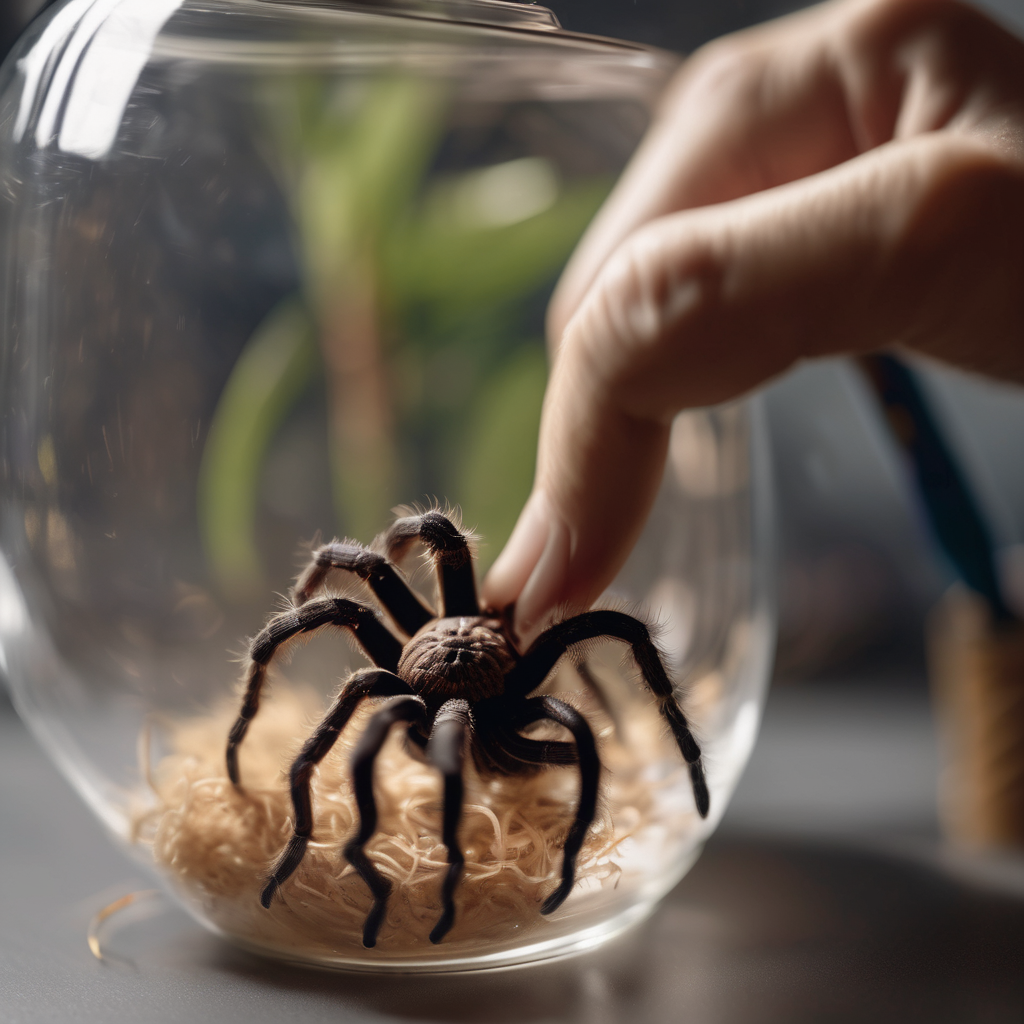
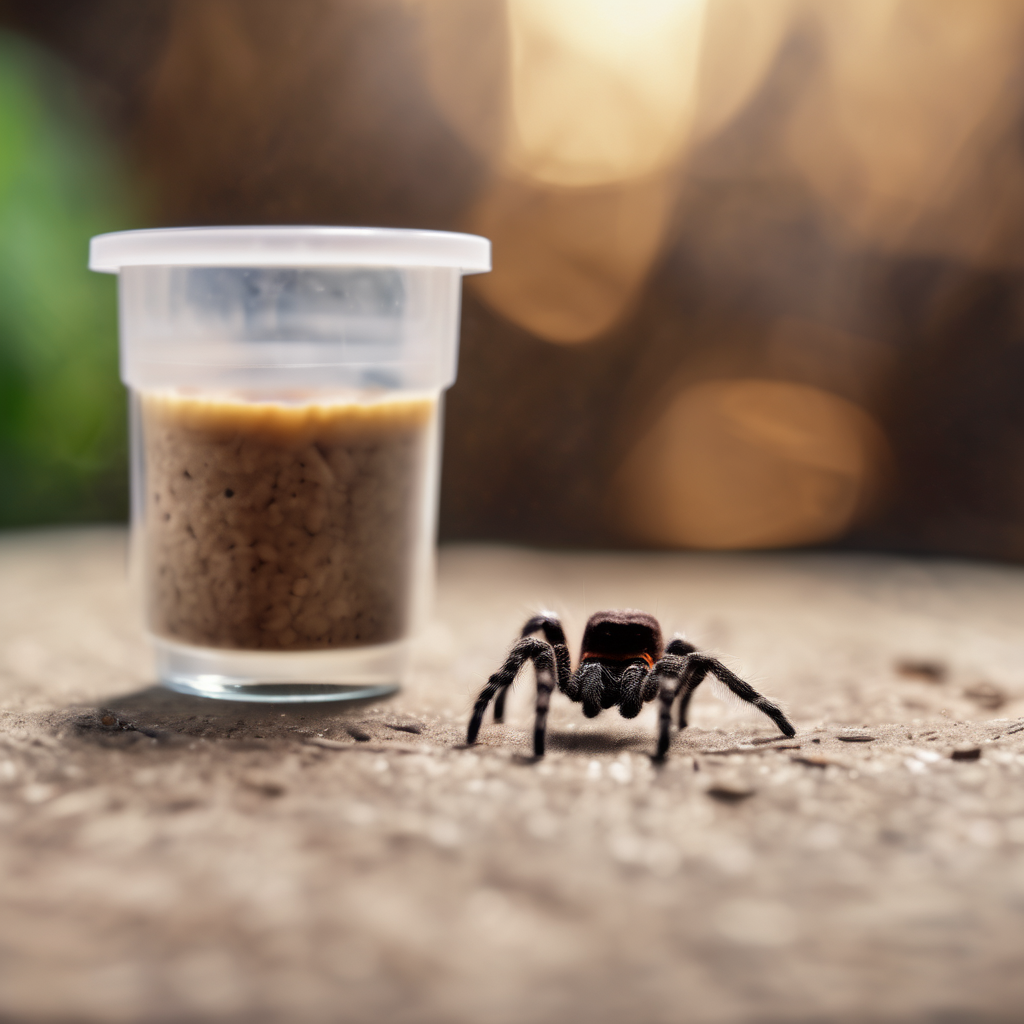
Rehousing is the single most dangerous thing you will do to your tarantula. This guide covers how to prepare the new enclosure first, the two safe capture methods, how to avoid a fall during transfer, how long to leave the spider alone afterwards, and what to do if it bolts.
Tarantula Watering Guide: How to Keep Your Tarantula Hydrated
Tarantulas drink from humid air and their food far more than from a dish. Here is how to water a tarantula correctly by species, why misting a dry terrestrial species is dangerous, how to spot dehydration, and what to do about it.
How to Get Rid of Reptile Mites: A Step-by-Step Treatment Guide
Reptile mites are small, fast and very hard to kill. Here is the full treatment plan: how to confirm you have Ophionyssus natricis, how to treat the reptile safely, how to treat the enclosure so the eggs do not hatch, and how to stop them coming back.
Tarantula Sling Care: How to Raise Spiderlings From Egg Sac to Adult
Slings are the most fragile stage of tarantula keeping — they dehydrate in days and moult constantly. This guide covers enclosure size and ventilation, prey sizing, the dangerous molting window, raising slings from an egg sac, and the four failures that kill most of them.
Metabolic Bone Disease (MBD) in Reptiles: Causes, Early Signs, and How to Fix It
MBD is the most common serious illness in pet reptiles and it is almost always a husbandry failure. This guide covers the calcium, phosphorus and vitamin D3 mechanism, the three causes, the early tremor-stage signs, the correction protocol, and when a vet is required.
Reptile Quarantine: How Long, Where, and What to Watch For
Quarantine every new reptile for 30–90 days before it meets your collection. This guide covers where to set up the quarantine tank, the minimum equipment, the daily and weekly checks, the diseases quarantine exists to catch, and when to see a vet.
Reptile Tank Temperature Gradient: How to Set Up a Hot Side and a Cool Side
A reptile tank needs a temperature gradient, not one temperature. Here is how to set up the hot side, cool side and ambient zone, where to put the thermometer, which thermostat to trust, and how to fix a tank that runs too hot or too cold.

Discover What’s New for Your Pet
Category: Reptiles
Reptile care guides for habitat setup, heating, UVB lighting, substrates, and feeding for bearded dragons, leopard geckos, ball pythons, turtles, and iguanas.