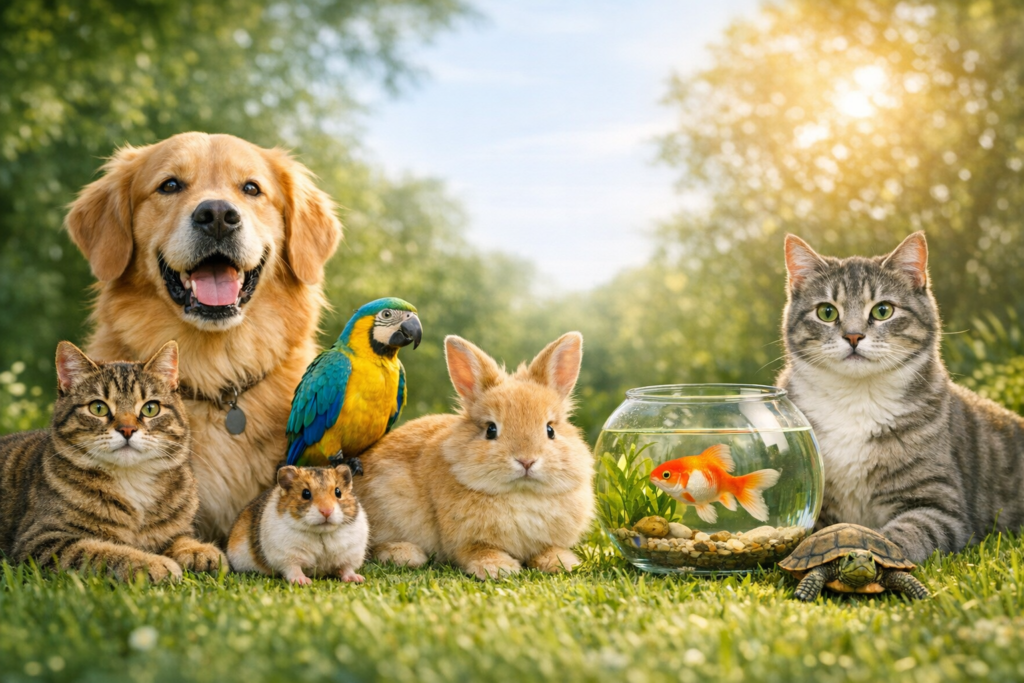
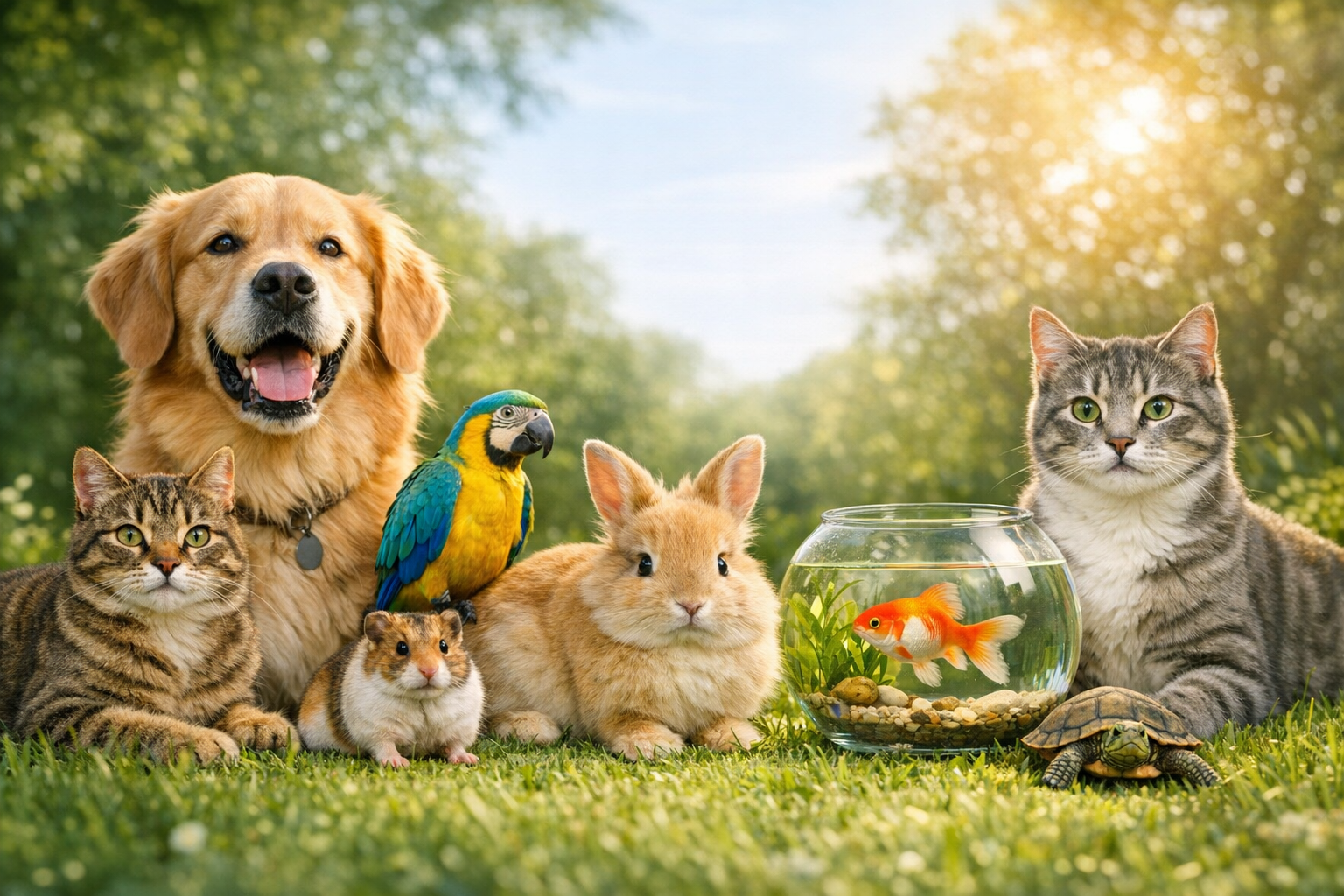
Small pets are not a single care category. A gerbil, rabbit, hedgehog, ferret, hamster, guinea pig or chinchilla has different needs for space, social contact, food, temperature and routine. Use this hub to begin with the species, then move to the setup or daily-care question that follows.
Start with the species, not a generic feeding or housing rule. If a small pet stops eating, has a sudden change in droppings, breathing, mobility or behavior, seek prompt advice from a veterinarian experienced with that species.
Choose a small-pet starting point
| If you are caring for… | Start here | Next question to plan |
|---|---|---|
| A gerbil | Gerbil Care | Social routine, bedding, chewing and species-appropriate enrichment. |
| A rabbit | Dwarf Rabbit Care | Space, daily routine and diet questions specific to rabbits. |
| A hedgehog | Hedgehog Care | Warmth, routine and handling that respects the animal’s comfort. |
| A ferret | Ferret Care | Play, housing and daily supervision. |
Respect species and daily rhythms
Routine is part of welfare. For example, a hamster’s natural timing changes how handling, play and household noise should be approached. Begin with understanding nocturnal hamster routines rather than trying to make one schedule fit every small mammal.
Plan the enclosure before adding accessories
Enclosure decisions should be made for the animal you actually have, not for a generic “small pet.” Compare the practical questions in Guinea Pig Cage and Chinchilla Cage to see why floor space, height, temperature and social needs change the plan. These are examples of species-specific setup, not interchangeable housing instructions.
Feeding, enrichment and health questions
Food, enrichment and preventive care must follow the species path. Do not copy a rabbit, guinea-pig or ferret routine to another animal because it looks similar online. Keep a stable daily record of food, water, droppings, activity and handling tolerance; it gives a veterinarian useful information if something changes.
When to stop and seek veterinary advice
Small mammals can deteriorate quickly. Contact a veterinarian promptly for reduced appetite, no eating, significant changes in droppings, labored breathing, sudden weakness, pain, injury or behavior that is unusual for the individual animal. This hub supports preparation and observation; it does not diagnose or provide a treatment plan.
Explore more Small Pets resources
Browse the current Small Pets collection for additional live guides. Future posts will be assigned to one of four routes: species hubs; housing and setup; feeding and enrichment; or behavior, health and daily care.