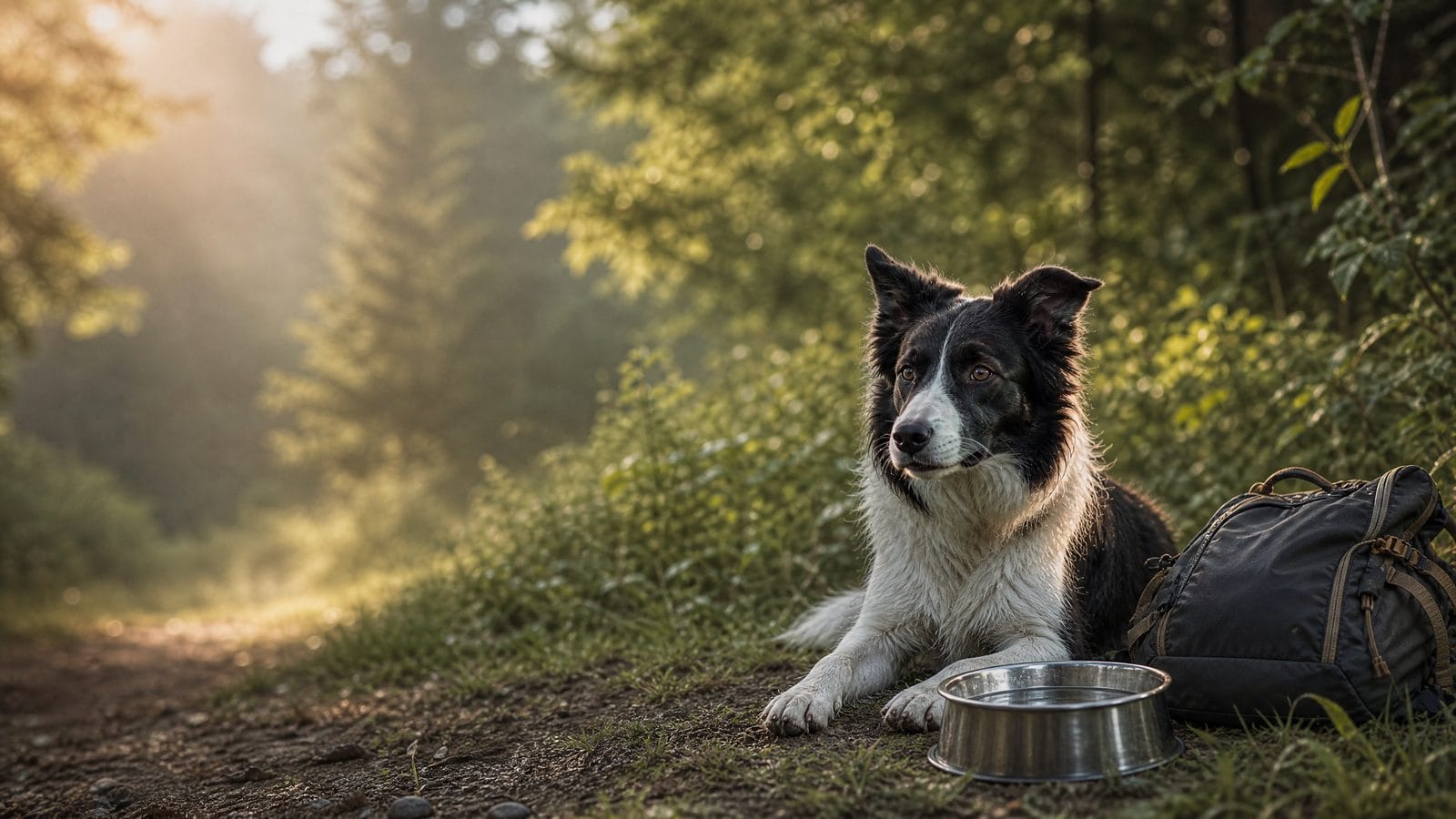
Hunting Dog Readiness: Plan for Terrain, Duration and Water Access
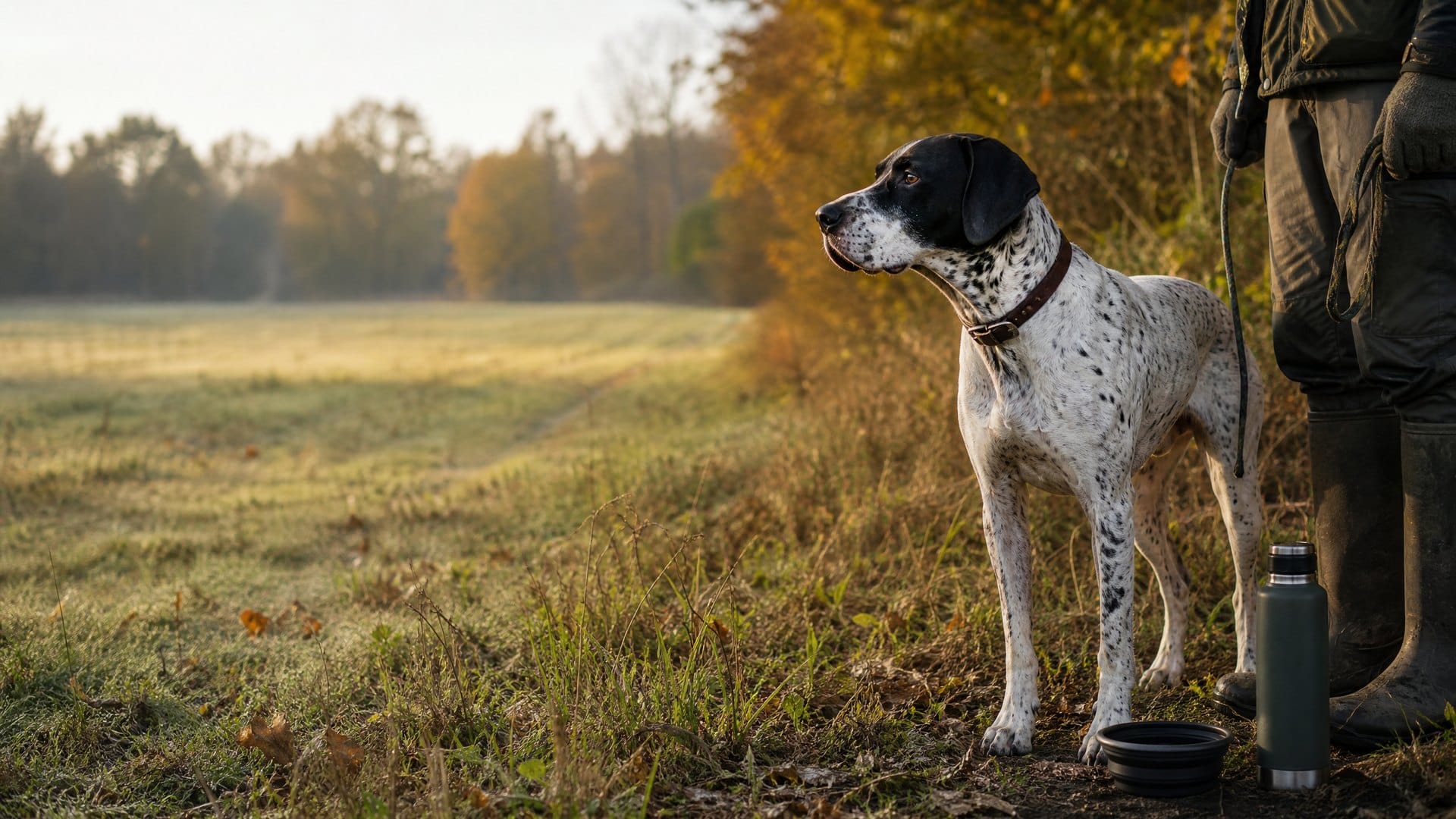
Terrain, weather and water access should shape the plan before the dog enters the field. A field day can look very different from an ordinary walk. Uneven ground, weather, travel, cover, duration and the distance back to shade or water all change the context. This page is a readiness checklist for healthy adult dogs; it…
Herding Dog Routines: Training Rewards, Focus and Everyday Recovery
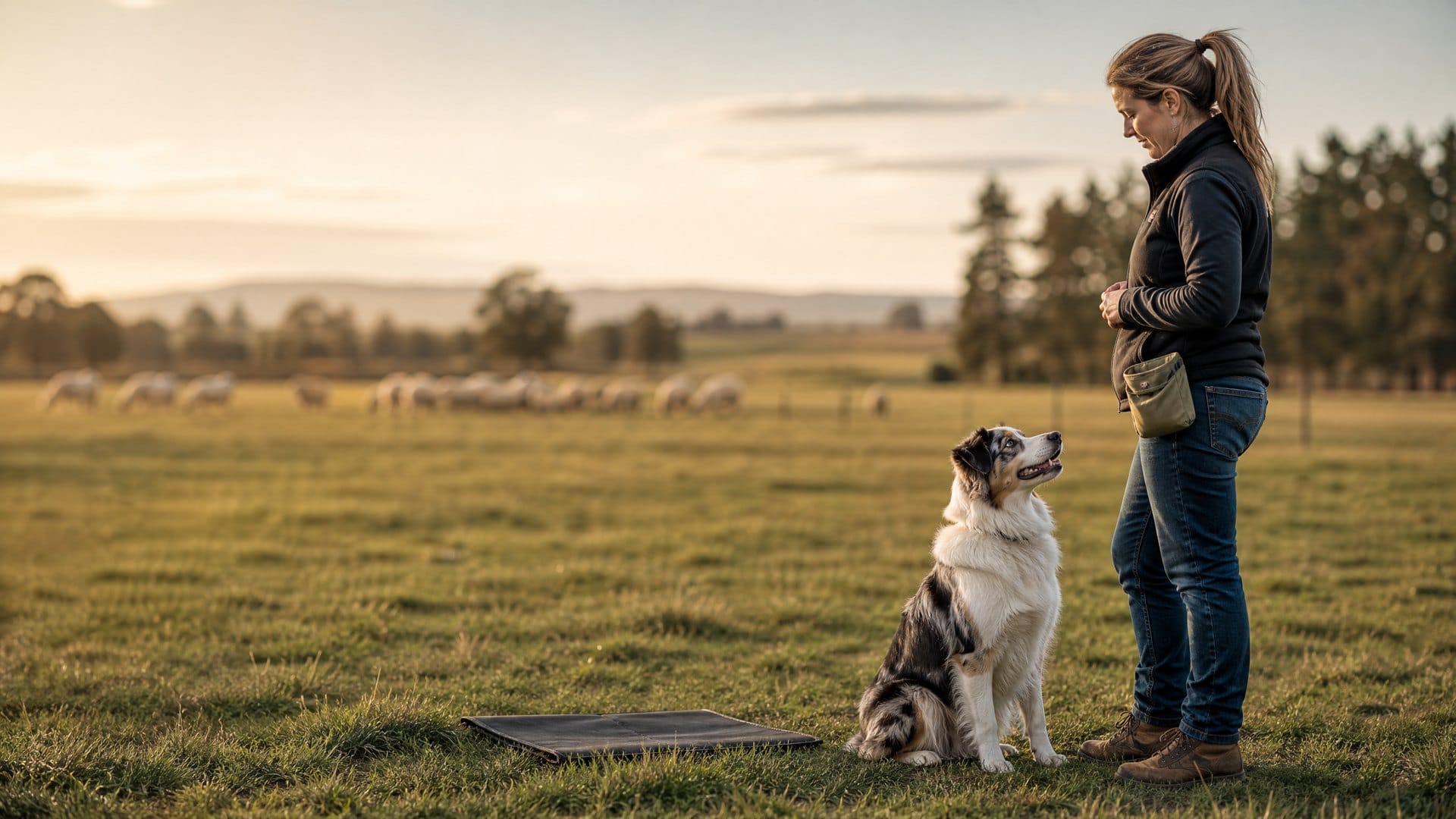
Clear routines and quiet recovery support learning without asking food to create a working drive. Herding dogs are often described as if their intensity were something to feed or switch on. That is not a useful care plan. A healthier approach looks at the whole routine: predictable meals, well-timed rewards, learning sessions that match the…
Sled Dog Readiness: Cold, Duration and Professional Oversight
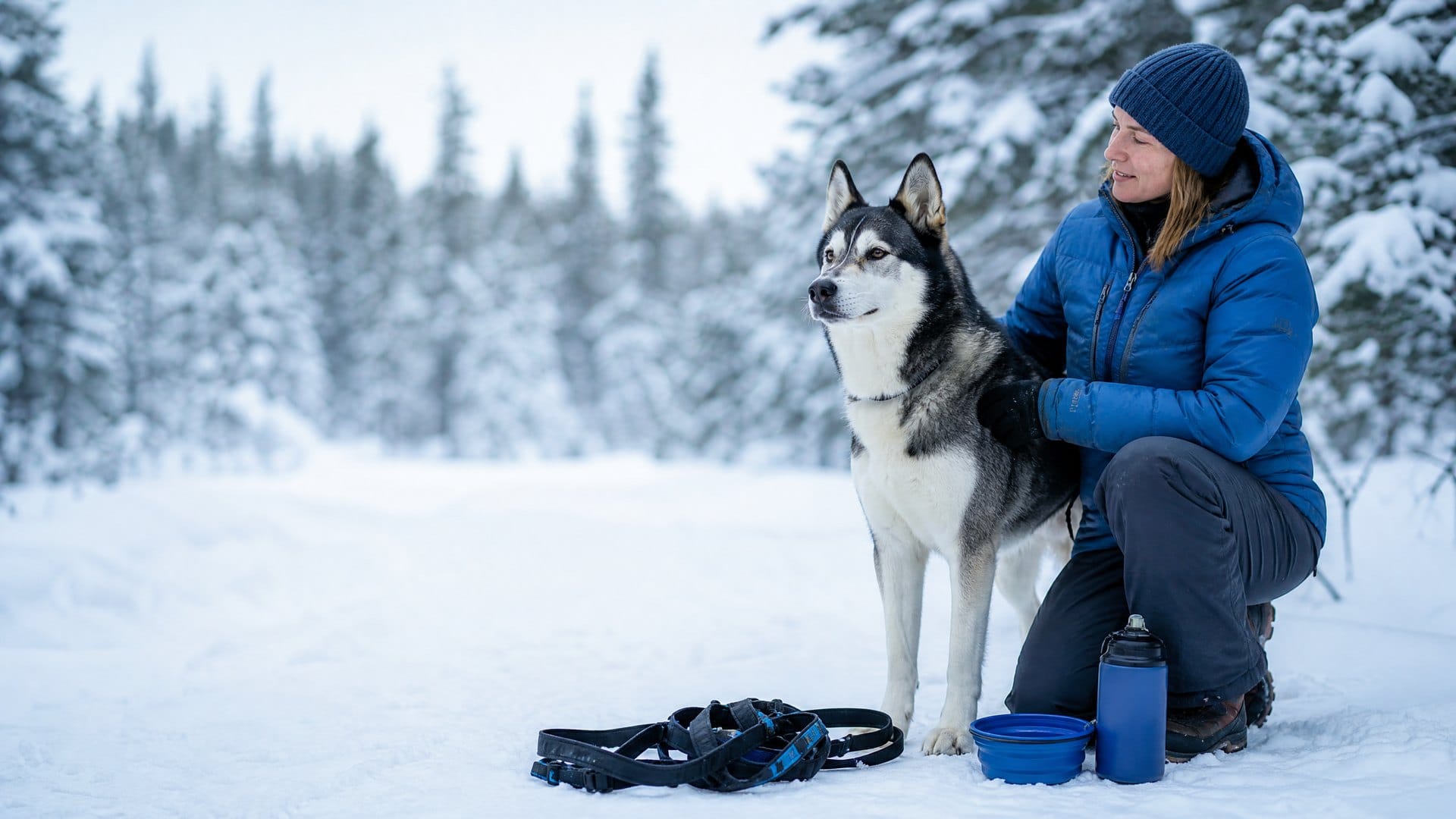
Cold weather changes the logistics, but it does not remove the need for observation and a recovery plan. Sled work brings together cold, distance, equipment, travel and team logistics. It deserves more than a generic “high-energy” feeding message. This guide focuses on the questions that belong before activity: Is the dog healthy and conditioned for…
Agility Dog Care: Fuel, Focus and Recovery Between Short Sessions
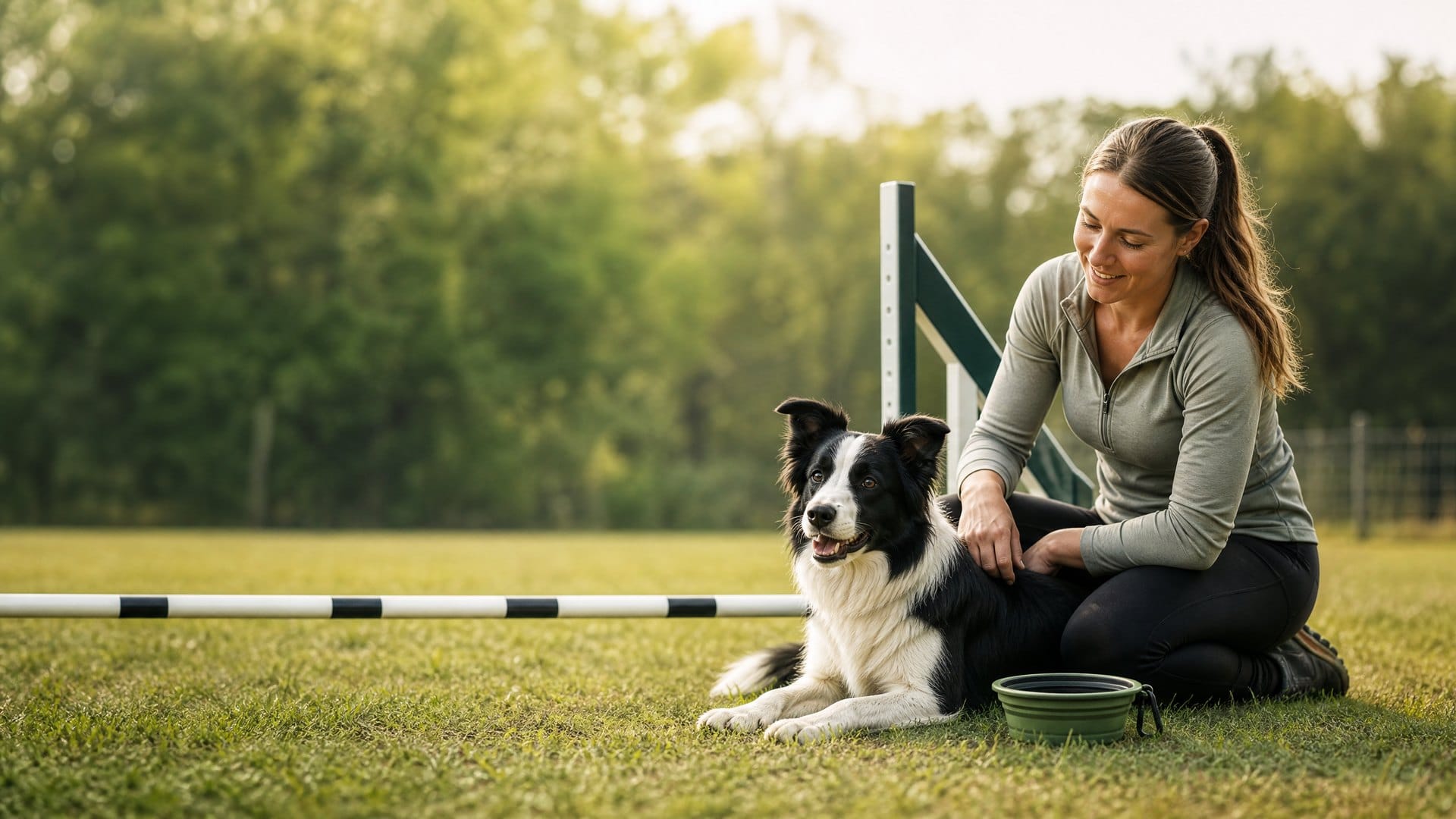
Short, repeatable sessions are easiest to manage when the dog’s whole day is considered. Agility is often made of brief, repeated efforts rather than one long outing. That difference matters. A sensible routine looks beyond the obstacle sequence and considers the dog’s usual food, water access, travel, surface, rest and recovery before asking whether anything…

Working Puppy Growth Nutrition: Build a Safe Foundation
A puppy expected to become a working, sporting or highly active adult is still a puppy first. The most useful nutrition goal is not to make growth faster or to copy an adult performance diet. It is to support steady development with a complete food appropriate for growth, sensible reward habits, appropriate activity progression and…
Active Dog Hydration: A Safety-First Guide for Training Days
Water is the starting point of a safe activity plan—not a performance trick. A dog who runs, tracks, hikes, trains or works in warm, humid, windy or unfamiliar conditions may need closer observation than on an ordinary day. This guide focuses on preparation, access to clean water, sensible pauses and the signs that mean activity…

Endurance Dog Nutrition: Think in Hours, Conditions and Recovery
Endurance work asks a different question from a quick sprint or a short skills session. A dog covering distance for hours — on a hunt, a long trail, a sled route or another sustained task — faces changing temperature, terrain, rest intervals and energy use. The best preparation is not a last-minute product. It is…
Dog Recovery Nutrition: Support the Plan, Don’t Replace It
Recovery after an injury, surgery, illness or prolonged inactivity is not a strength-building shortcut in reverse. The dog’s diagnosis, medication, pain control, appetite, mobility restrictions and rehabilitation goals all influence what is appropriate. Nutrition can support the plan, but it cannot replace a veterinary examination or a prescribed rehabilitation program. This guide helps caregivers prepare…

Smelly Dog Diet
Why Your Smelly Dog Might Benefit from a Diet Change If you share your home with a smelly dog, you know how frustrating persistent odors can be. While regular bathing helps, the root cause often lies deeper—in the food your dog eats every day. A smelly dog may be sending you a clear signal that…
Allergic Breed Dog Diet
The Unique Needs of an Allergic Breed Dog Every allergic breed dog carries a genetic predisposition that makes immune reactions to food and environmental factors far more likely. A carefully chosen diet is not just a preference for these animals; it is the foundation of daily comfort and long-term health. Breeds such as the Golden…

Discover What’s New for Your Pet